The Cost of Complexity
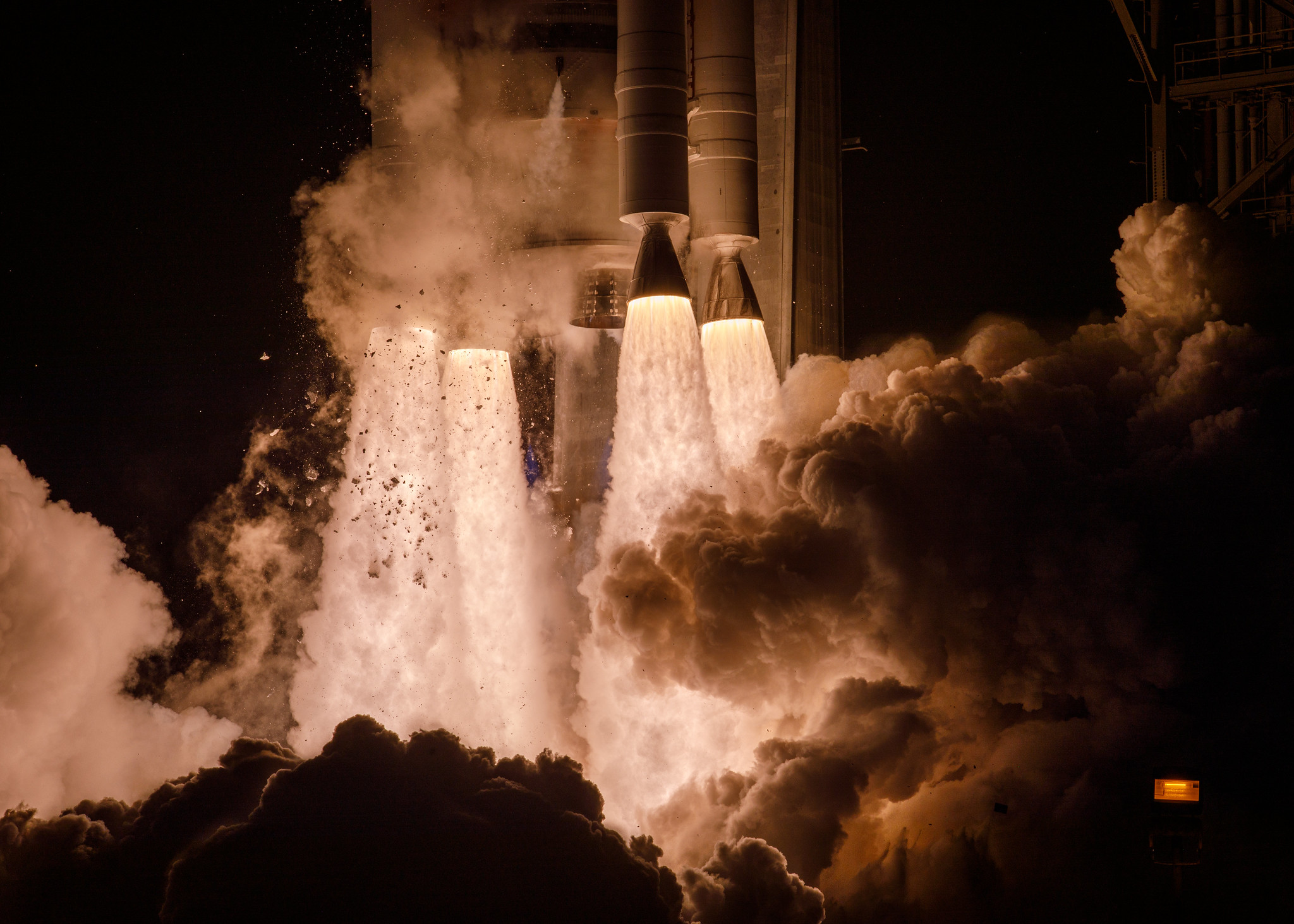
Northrop Grumman’s recent disclosure of a $71 million pre-tax charge in its fiscal first quarter serves as a sobering reminder of the volatility inherent in modern space exploration. The charge is directly tied to an anomaly involving a solid rocket booster (SRB) intended for the United Launch Alliance (ULA) Vulcan Centaur rocket. This setback has sent ripples through the aerospace industry, casting a shadow over the timeline of a vehicle poised to be a critical workhorse for both national security and commercial launches.
The Anatomy of an Anomaly
The anomaly, which occurred during ground testing, underscores the brutal technical challenges of high-performance propulsion systems. While the specific nature of the hardware failure remains part of an ongoing investigation, the financial impact suggests a significant technical hurdle rather than a minor calibration error. For Northrop Grumman, which provides the boosters for the Vulcan, this represents both a fiscal hit and a reputational challenge in a highly competitive launch market.
Industry Implications
The grounding of the Vulcan Centaur program due to this booster issue forces stakeholders to recalibrate their expectations for upcoming mission manifests. As the industry moves toward rapid, high-cadence launch schedules, any delay in the Vulcan’s full operational capability creates a vacuum that competitors like SpaceX are quick to exploit. Furthermore, this incident highlights the fragility of the supply chain in the heavy-lift sector, where a single component failure can ground a multi-billion dollar launch vehicle for months.
Looking Ahead
As investigations conclude and remediation begins, the focus shifts to how quickly Northrop Grumman can rectify the booster design. The future of the Vulcan program remains bright, but this $71 million "price of admission" for space exploration highlights that even the most seasoned aerospace giants are not immune to the unforgiving nature of rocket science.