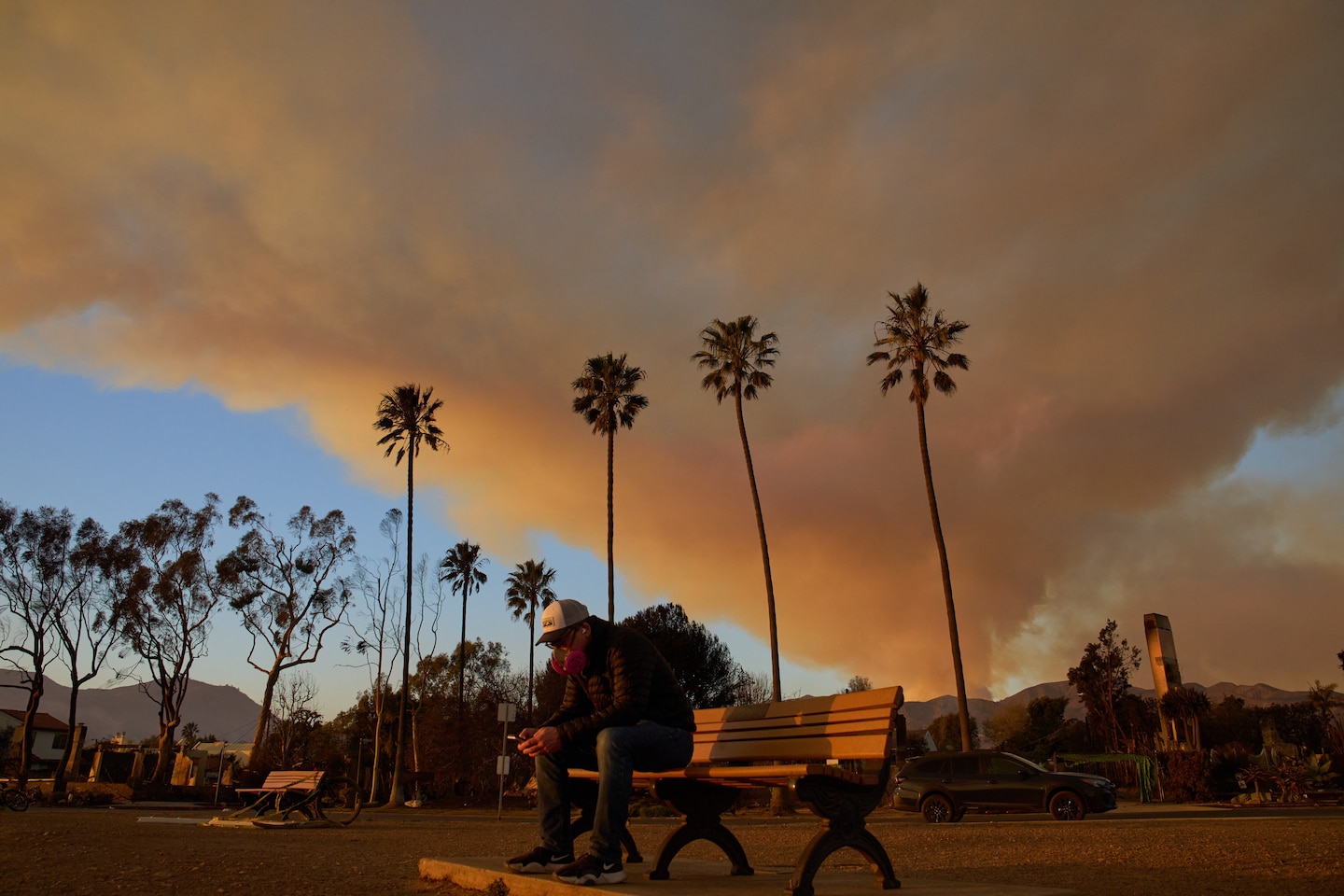
A New Environmental Threat
As global temperatures climb, the increasing frequency and intensity of wildfires are presenting a public health crisis that extends far beyond the immediate devastation of burned landscapes. Recent data presented at the American Association for Cancer Research suggests a sobering reality: wildfire smoke is evolving into a primary contributor to the cancer burden in the United States.
Shifting Patterns of Exposure
For decades, public health policy has focused heavily on the reduction of tobacco use to lower cancer rates. However, as cigarette consumption declines, the persistent rise of wildfire-driven air pollution is creating a new, involuntary environmental exposure risk. Unlike personal habits, this exposure is indiscriminate, affecting millions in the path of smoke plumes that can travel thousands of miles.
Future Implications for Public Policy
The analytical evidence suggests that we must recalibrate our understanding of carcinogens. The chemical composition of wildfire smoke—a complex cocktail of particulate matter and hazardous compounds—requires immediate integration into national oncology research strategies. If trends continue, the 'Wildfire-Cancer Link' may necessitate a fundamental shift in air quality regulations and urban planning to mitigate long-term population health consequences.