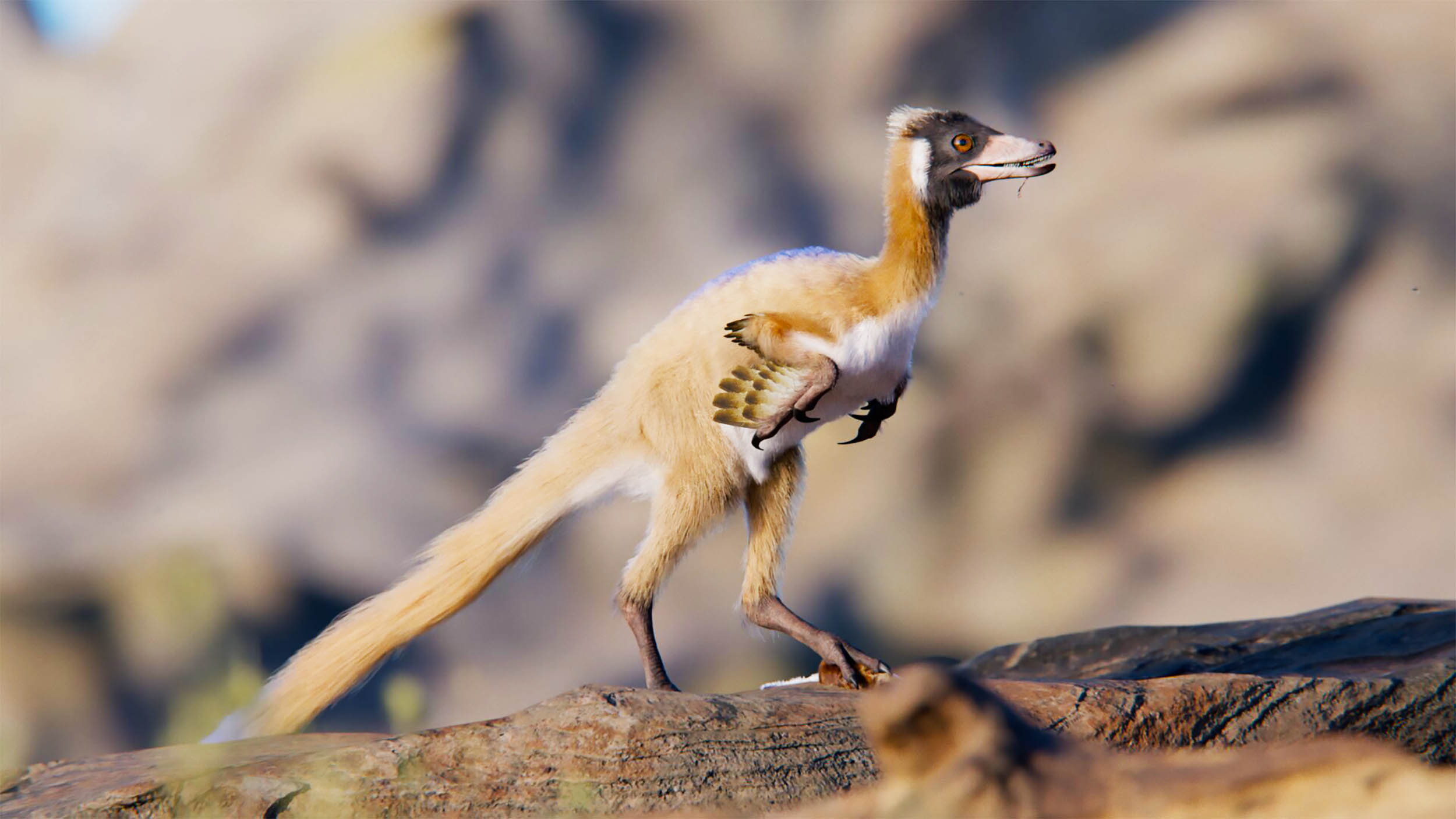
A Tiny Titan of Evolution
For decades, the lineage of small, bird-like dinosaurs—characterized by their enigmatic morphology, stubby limbs, and specialized oversized claws—has remained one of paleontology’s most persistent puzzles. The discovery of a nearly complete 90-million-year-old skeleton of Alnashetri cerropoliciensis is finally providing the missing pieces to this complex narrative.
Rewriting the Genetic Timeline
Weighing less than two pounds, this diminutive predator forces a radical re-evaluation of how theropod evolution progressed. Its existence suggests that the specialized features we once attributed to later avian descendants appeared much earlier and in more diverse forms than previously theorized. By bridging the gap between primitive theropods and the sophisticated avian ancestors, Alnashetri provides a clearer picture of the rapid morphological transitions that occurred during the Cretaceous period.
Future Implications for Paleobiology
The analytical depth offered by such a well-preserved specimen allows researchers to move beyond speculation. We are now entering an era where the biomechanics of these small-bodied dinosaurs can be reconstructed with unprecedented accuracy, challenging established ideas about their hunting strategies and ecological niches. Alnashetri isn't just a fossil; it is a catalyst for a new era of evolutionary understanding.