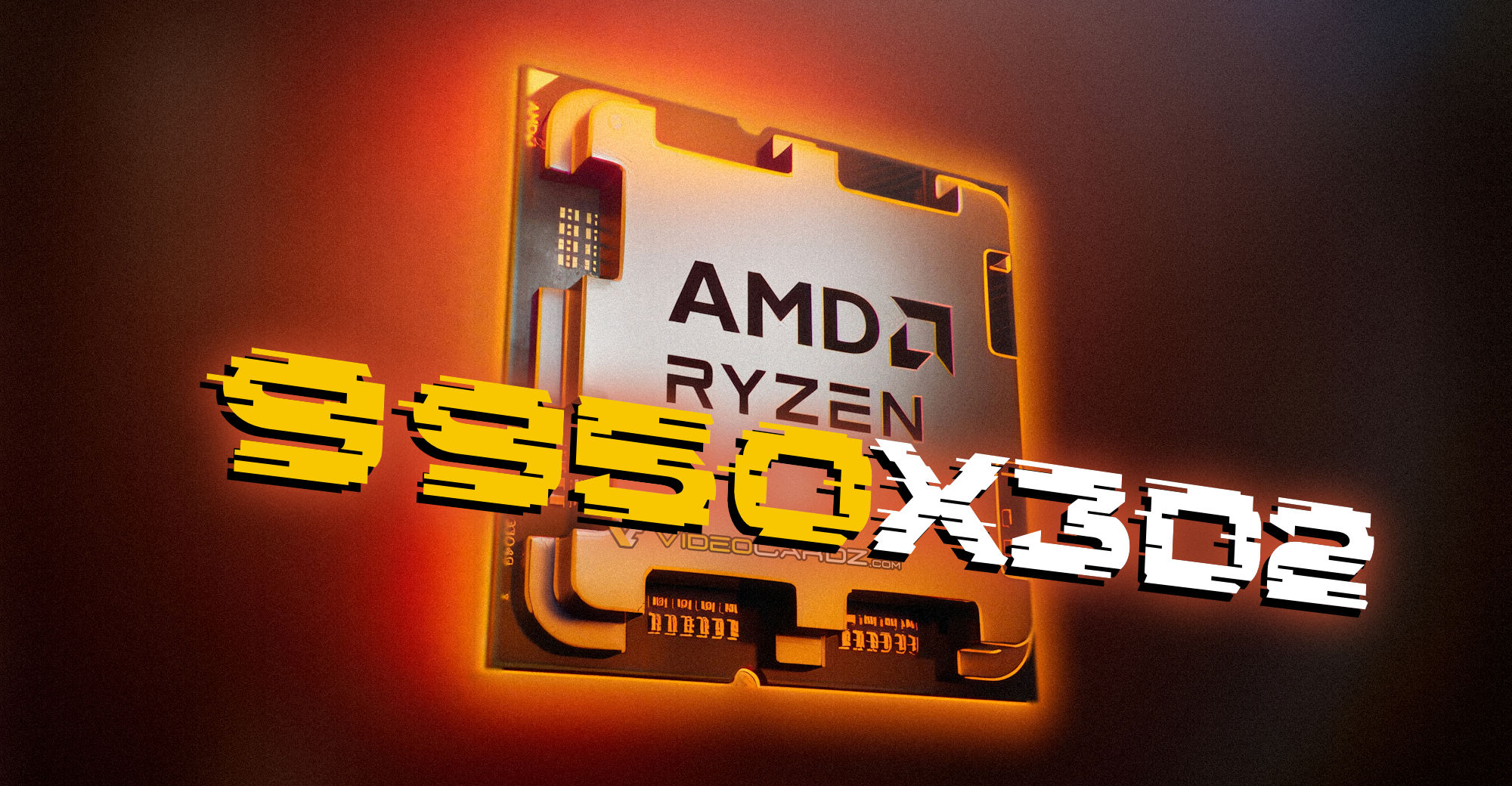
Performance Redefined: The Zen 5 Powerhouse
The arrival of the AMD Ryzen 9 9950X3D2 marks a significant milestone in desktop computing. By integrating a sophisticated dual 3D V-Cache architecture, AMD is effectively pushing the boundaries of what consumers can expect from a socketed AM5 processor. With 16 Zen 5 cores and 32 threads, this chip is not just about raw frequency—it is about architectural efficiency and memory-heavy performance.
Technical Mastery and Thermal Management
Boasting a 200W TDP and a staggering 208MB of total cache, the 9950X3D2 is designed to dominate resource-intensive tasks. The boost clock reaching 5.6 GHz ensures that high-end gaming and professional multi-threaded workloads are handled with ease. This review roundup highlights the industry's consensus: AMD is leaning heavily into cache-sensitive performance to maintain its competitive edge against traditional clock-speed increases.
The Future of AM5 and Beyond
As we look ahead, the 9950X3D2 serves as a precursor to a new era of enthusiast-grade computing. The decision to pursue a dual V-Cache configuration suggests that latency optimization is the next great frontier in CPU design. While power requirements remain high at 200W, the output quality for simulation, complex modeling, and high-fidelity gaming makes this an essential upgrade for those requiring no-compromise performance.