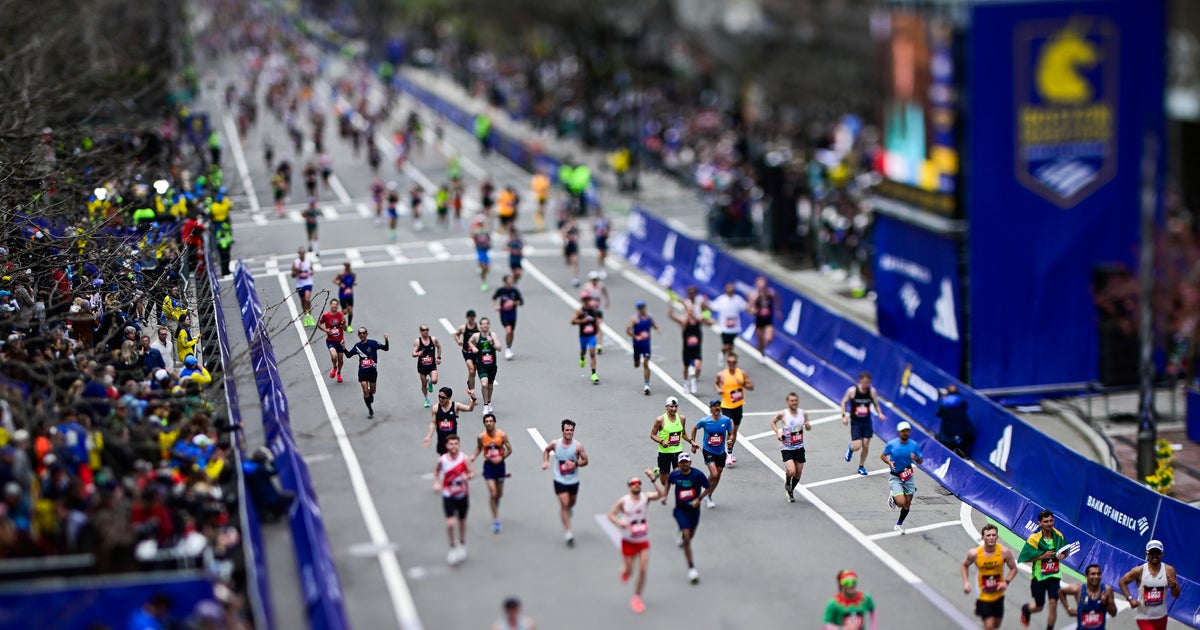
The Stakes of Endurance
As we approach the 2026 Boston Marathon, the financial landscape of professional long-distance running is once again under the microscope. With a total prize purse reaching $1,284,500, the event underscores the enduring status of the world's oldest annual marathon as both a cultural institution and a high-stakes economic powerhouse.
Prize Money Distribution
The payout structure remains aggressive, designed to attract the world's elite talent. The $150,000 awarded to the male and female victors serves as a benchmark for road racing globally. With $75,000 for second place and $40,000 for third, the tiered incentive structure ensures that the top echelon of competitors is handsomely rewarded for their physical investment. This financial framework not only supports the athletes but also drives the competitive intensity that has made Boston a legendary test of human limits.
Future Implications for Road Racing
The growth of such prize purses signals a shift in how major marathons are perceived in the sports economy. We are moving toward a professional model where the rewards must justify the years of rigorous training required to compete at this level. As spectators and analysts, tracking these figures allows us to understand the evolving value placed on athletic prestige and the commercial sustainability of elite marathon running.