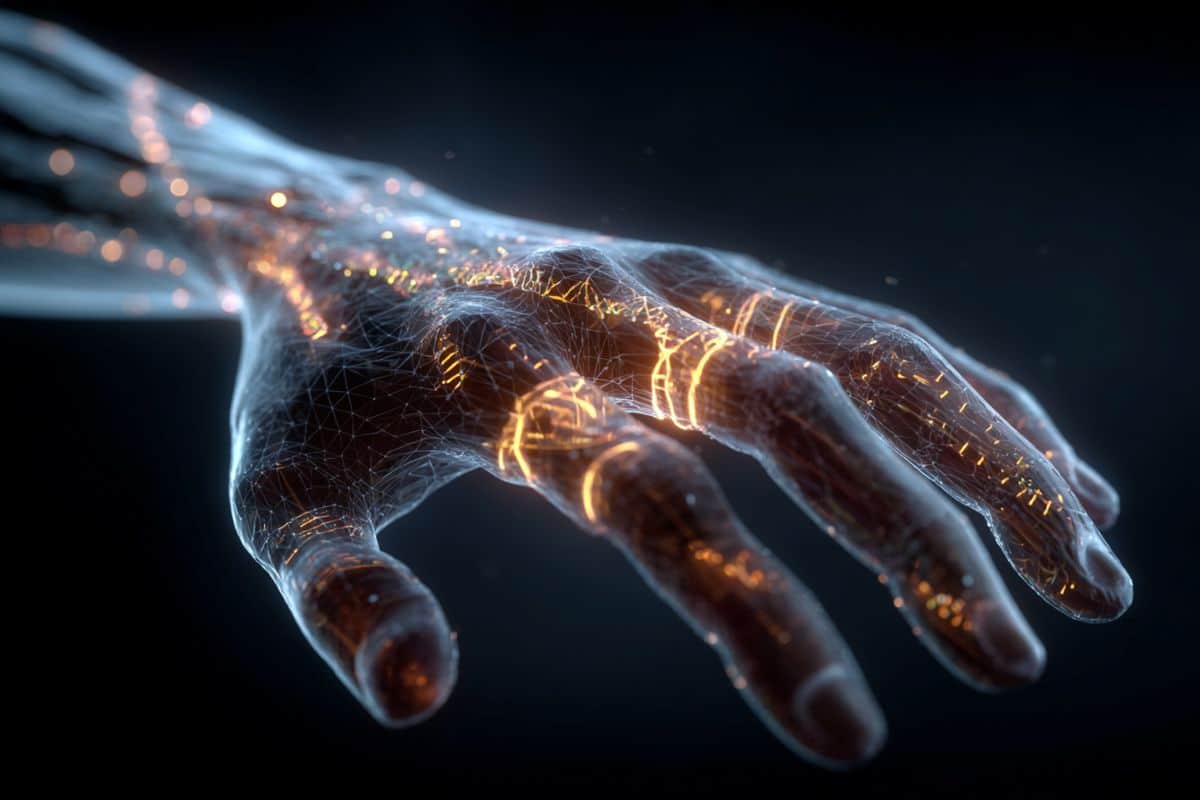
The Dawn of Biological Restoration
For centuries, the concept of regrowing a lost limb has been relegated to the realm of speculative fiction and mythology. However, a monumental breakthrough in regenerative biology is bringing this 'myth' into the light of scientific reality. By isolating the SP8 and SP6 genetic markers, researchers have identified a universal blueprint for tissue regrowth that bridges the gap between axolotls and mammals.
Decoding the Universal Genetic Program
The study reveals that the secret to limb regeneration is not a lack of capability in mammals, but rather a dormant genetic 'lock.' By studying the axolotl—a creature renowned for its ability to regrow entire limbs—scientists discovered that SP8 functions as a master orchestrator for blastema formation. When this gene therapy was introduced in murine models, the researchers observed a startling acceleration in tissue repair, effectively mirroring the regenerative pathways of salamanders.
Implications for Modern Medicine
The implications of this research are profound. We are no longer looking at simple wound healing, but at the potential for full-scale anatomical restoration. While clinical trials in humans remain a horizon-level goal, the successful activation of these pathways in mammalian subjects suggests that the foundational building blocks for complex tissue regeneration exist within our own DNA, merely awaiting the right biological key.