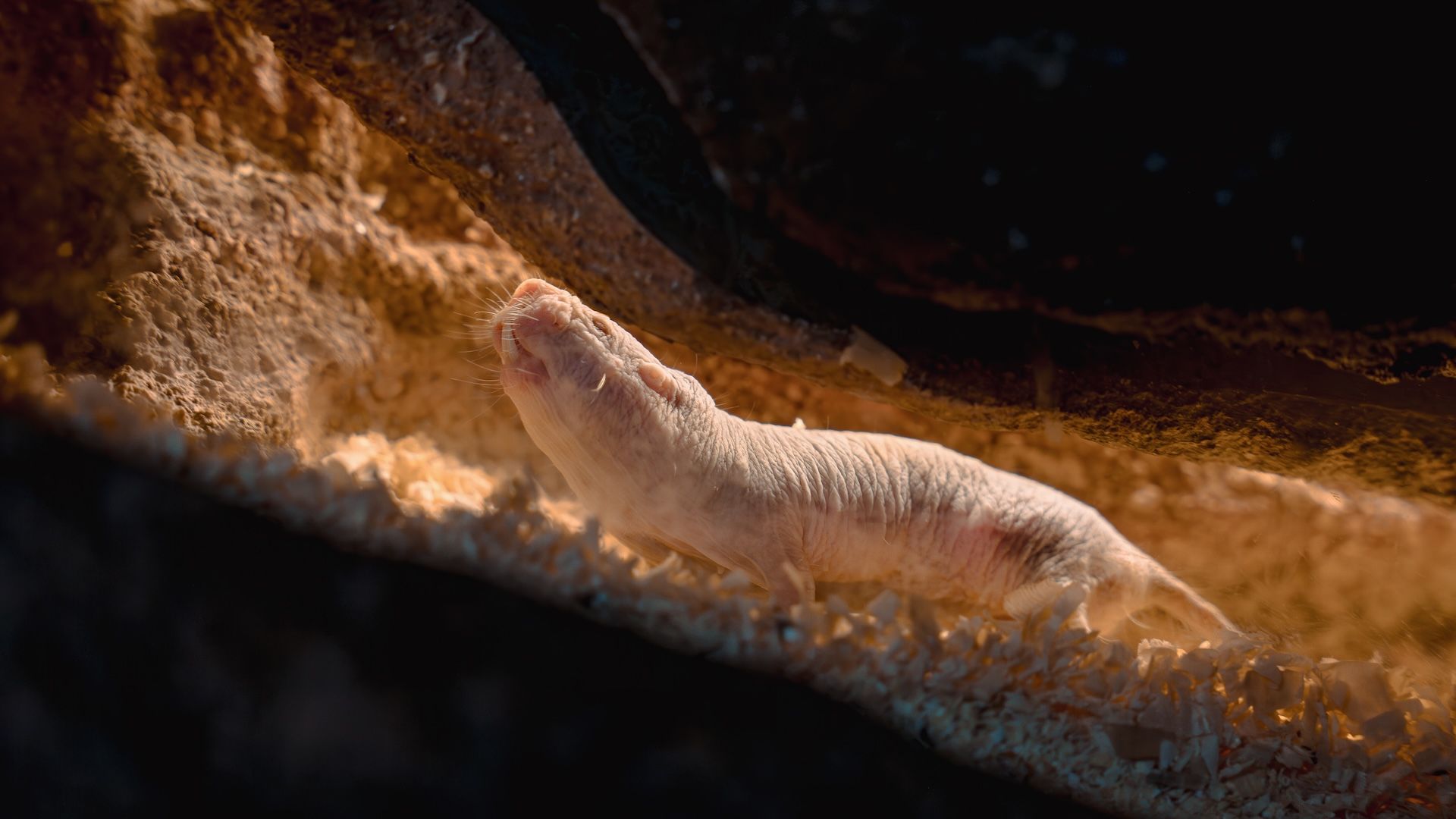
The Myth of Inevitable Violence
For decades, the biological understanding of the naked mole rat (Heterocephalus glaber) has been defined by extreme hierarchical ruthlessness. These subterranean rodents, known for their eusocial structure akin to bees and ants, typically respond to the death of a queen with a violent, bloody power vacuum. Potential successors engage in aggressive physical combat, leaving the colony in a state of chaotic flux until a new matriarch is established through dominance.
An Unprecedented Shift
However, recent observations have shattered this paradigm. Researchers documenting a unique colony have witnessed a succession process devoid of the expected bloodshed. This anomaly suggests that the rigid, aggressive behavior long thought to be hard-coded into the species might actually be a flexible, plastic response influenced by environmental or social variables.
Implications for Evolutionary Biology
The existence of a peaceful transition challenges our fundamental assumptions about eusociality. If these creatures possess the capacity to resolve power struggles through non-violent means, it necessitates a re-evaluation of the selective pressures that drive social structure. Are we witnessing an evolutionary transition, or is this a localized adaptation to specific, favorable colony conditions? As we look to the future, these findings open new doors into understanding the roots of cooperation versus conflict in the animal kingdom.