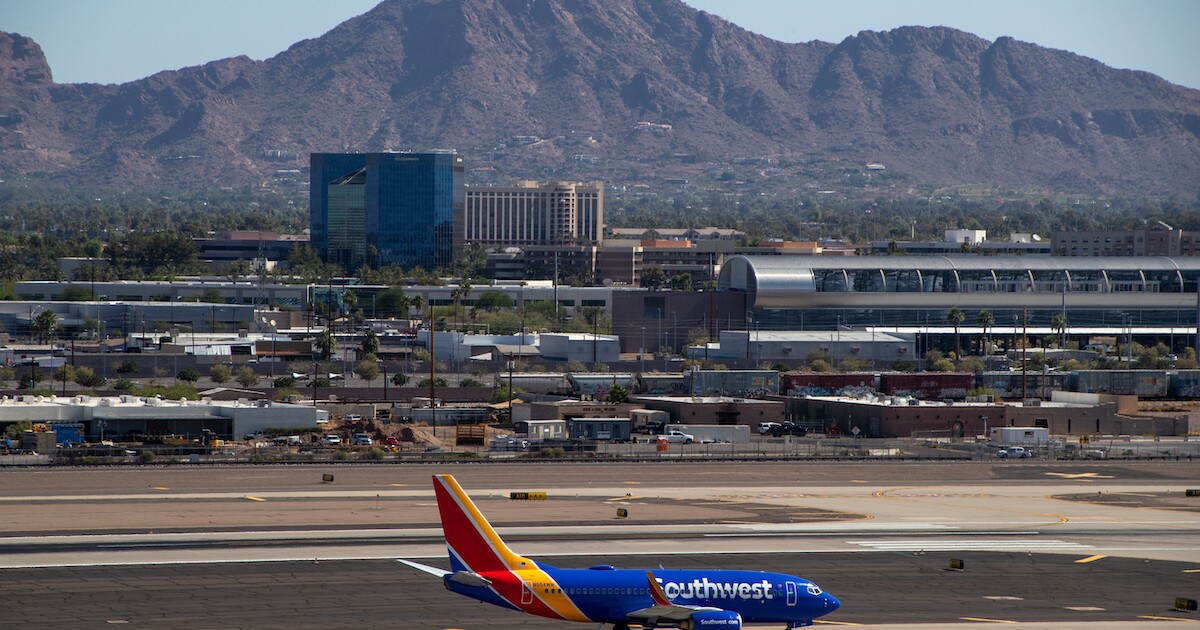
The Sunday Morning Shutdown
Phoenix Sky Harbor International Airport faced a significant operational hurdle this past Sunday when a low-visibility ground stop was issued at approximately 8:15 a.m. The advisory, which persisted until 10:00 a.m., serves as a stark reminder of how vulnerable major transit hubs remain to localized meteorological events.
Analyzing the Operational Ripple Effect
While a ground stop of less than two hours may seem trivial to the casual observer, the implications for an airport the size of Sky Harbor are profound. As a major connector in the American Southwest, any interruption in takeoff and landing schedules creates a cascade of delays that can plague airline networks for the remainder of the day. Crews reach maximum duty times, aircraft misconnect with subsequent flights, and passenger itineraries are thrown into disarray.
Future Implications for Air Travel
As we look toward the future, the reliance on advanced instrument landing systems (ILS) becomes even more critical. While technology has drastically reduced weather-related cancellations over the last decade, low-visibility events continue to force controllers into conservative safety measures. This incident underscores the constant tension between maintaining maximum airport throughput and ensuring absolute passenger safety in an era where air travel demand is at an all-time high.