The Calculus of Deterrence
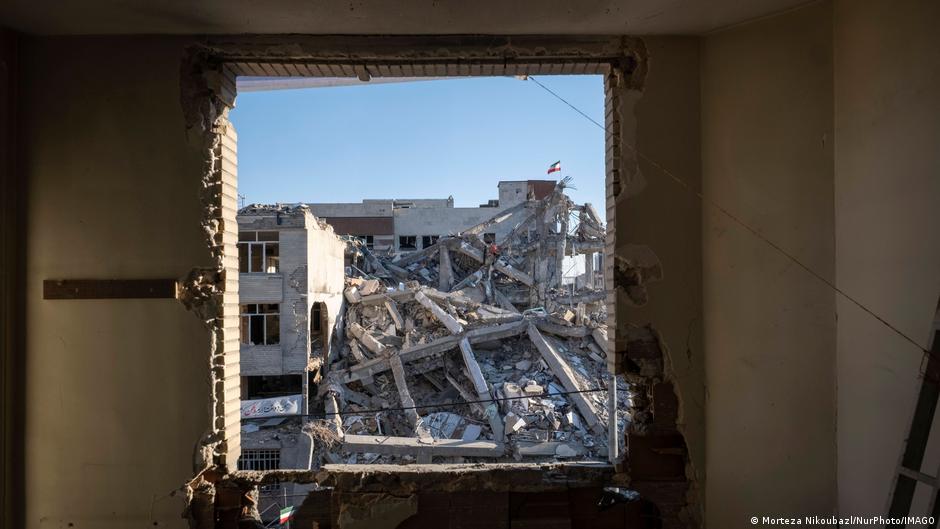
President Donald Trump’s recent statement—threatening the systematic destruction of Iranian infrastructure, specifically bridges and power plants, should Tehran reject impending peace proposals—marks a volatile shift in Middle Eastern rhetoric. This ultimatum comes as diplomatic channels are reportedly preparing to reopen in Pakistan, framing the discourse as a high-stakes choice between immediate concessions or total infrastructure collapse.
The Shadow of Regional Conflict
While the rhetoric intensifies, the regional context remains fragile. The ongoing rocket exchanges between Hezbollah and Northern Israeli towns, such as Kiryat Shmona, serve as a grim backdrop to these high-level negotiations. This peripheral violence complicates the peace process, suggesting that any deal negotiated in Islamabad will be pressured not just by direct US-Iran tensions, but by the wider web of proxy conflicts spanning the Levant.
Future Implications for Global Stability
The threat to civilian infrastructure represents an escalation in the standard vocabulary of modern statecraft. Should negotiations falter, the international community faces the prospect of a kinetic conflict that could cripple Iran’s civilian power grid and transport logistics, leading to unprecedented humanitarian and economic fallout. As stakeholders prepare for the upcoming talks, the question remains: is this a genuine path to peace, or the final stage of coercive diplomacy before a major military shift?