A New Era for the Assistant
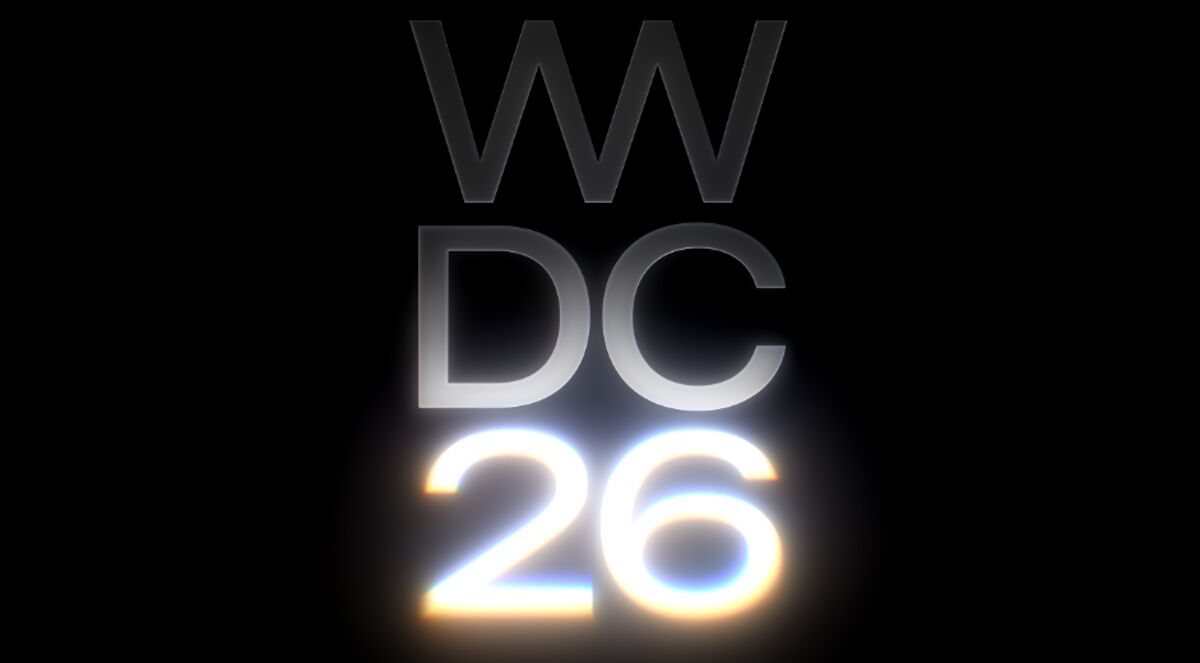
Apple’s latest teaser for WWDC 2026 has sent shockwaves through the tech community, offering a fleeting but transformative glimpse of a revamped Siri interface integrated into iOS 27. While details remain sparse, the visual shift suggests a departure from the static bubbles of old, moving toward a more fluid, context-aware AI experience. This redesign signals Apple’s strategic pivot to combat the rising tide of generative AI competition, ensuring their ecosystem remains the gold standard for intuitive interaction.
Supply Chain Shadows
However, the excitement is tempered by the grim reality of global hardware production. Reports indicate that pervasive memory shortages are likely to trigger delays for the highly anticipated Mac Studio and the rumored touch-screen MacBook Pro. These supply constraints highlight the vulnerability of Apple’s premium product pipeline, suggesting that while the software vision for iOS 27 is ready, the physical hardware required to push these limits is facing significant procurement headwinds.
The Strategic Implications
For investors and enthusiasts alike, this creates a bifurcated outlook. Apple is clearly prioritizing the intelligence of its software stack—Siri’s evolution—as the primary growth driver for the next fiscal year. If hardware shipments are delayed, Apple will likely lean heavily into software-defined experiences to maintain market relevance until inventory levels stabilize.