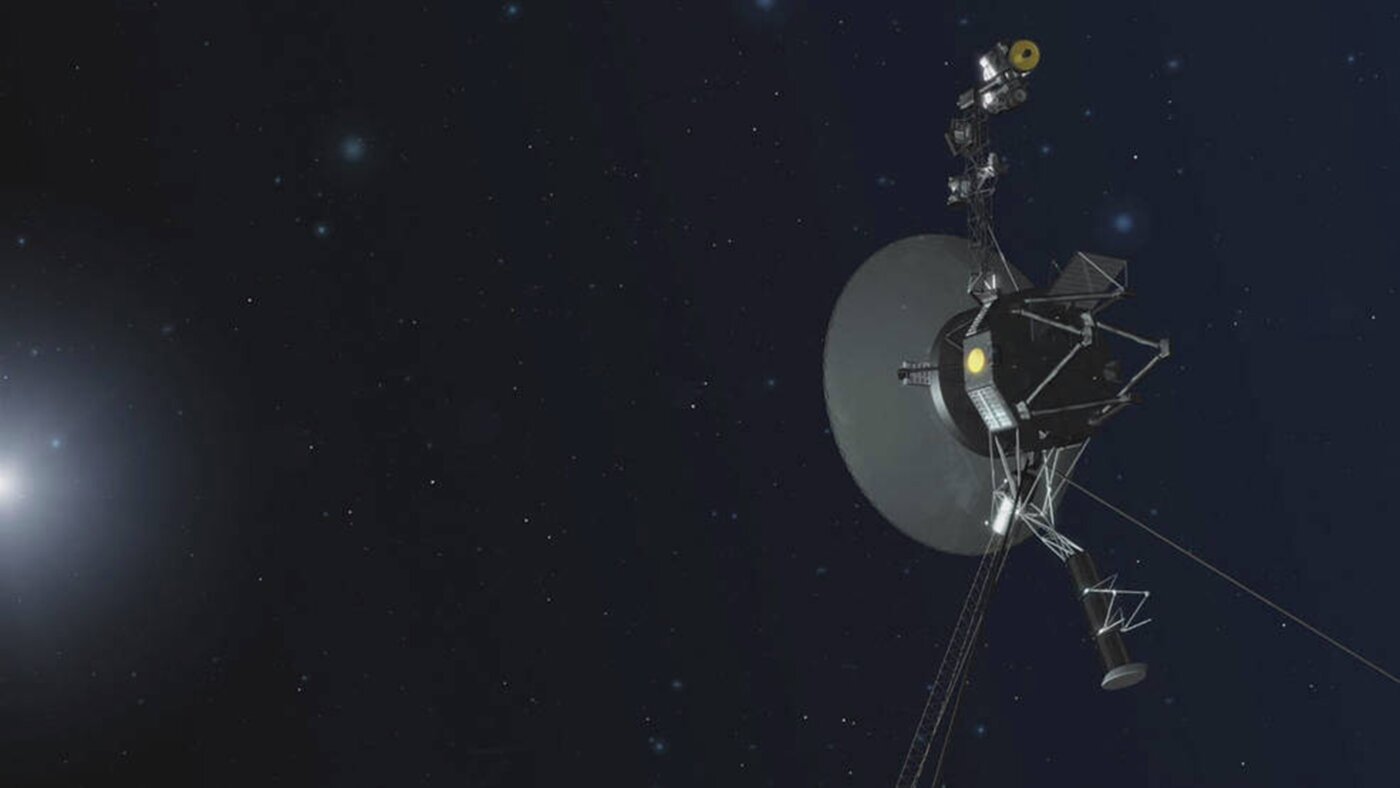
A Half-Century of Discovery
Voyager 1 was never designed for immortality. Launched in 1977 for a five-year mission to study the outer planets, the probe has instead become humanity's longest-running ambassador to the cosmos. Currently drifting through the interstellar medium over 15 billion miles away, the craft serves as our only direct tether to the environment outside our heliosphere.
The Anatomy of a Strategic Shutdown
NASA’s recent decision to deactivate a secondary science instrument is a masterclass in long-term mission management. Faced with a dwindling power supply from its aging radioisotope thermoelectric generators, engineers have opted to sacrifice data collection capability to extend the spacecraft's operational lifespan. This is not a sign of failure, but a calculated pivot to keep the transmitter humming for as long as possible.
Why It Still Matters
Every bit of data transmitted by Voyager 1 represents a unique data point that no other human machine can replicate. As the probe navigates the uncharted reaches of deep space, every additional day of operation provides invaluable insights into solar wind, cosmic rays, and the interstellar magnetic field. We are essentially choosing to prioritize the "life" of the vessel over the breadth of its current observations, ensuring that our reach into the unknown extends just a little further into the future.