A Diplomatic Deadlock
The geopolitical landscape in the Middle East has entered a period of extreme volatility as the ceasefire deadline between Washington and Tehran rapidly approaches. Recent comments from Iran’s parliament speaker, Mohammad Bagher Ghalibaf, suggest that the diplomatic distance between the two nations remains vast, contradicting earlier optimistic narratives emerging from the Trump administration.
The Hormuz Chokepoint
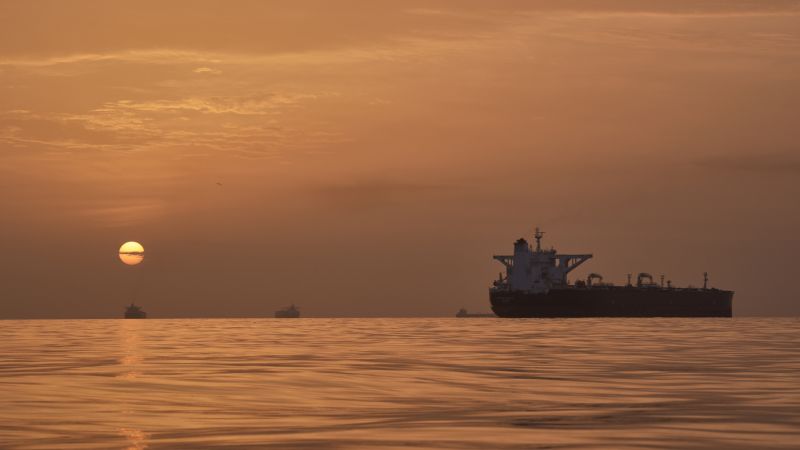
The situation is further complicated by the renewed closure of the Strait of Hormuz. Serving as one of the world's most critical maritime corridors for oil transit, any disruption here sends immediate tremors through global energy markets. The closure is not merely a tactical maneuver; it is a signal of the escalating pressure applied by Tehran in response to diplomatic stalemate.
Future Implications
As the clock ticks down, the international community is left questioning whether a breakthrough is possible or if the region is drifting toward a renewed period of escalation. With both sides posturing—Tehran highlighting internal resolve and Washington labeling Iranian negotiation tactics as 'cute'—the risk of miscalculation has reached a critical threshold. The coming days will be pivotal in determining whether the global economy avoids a major supply shock or faces the reality of prolonged regional instability.