A History of Volatility
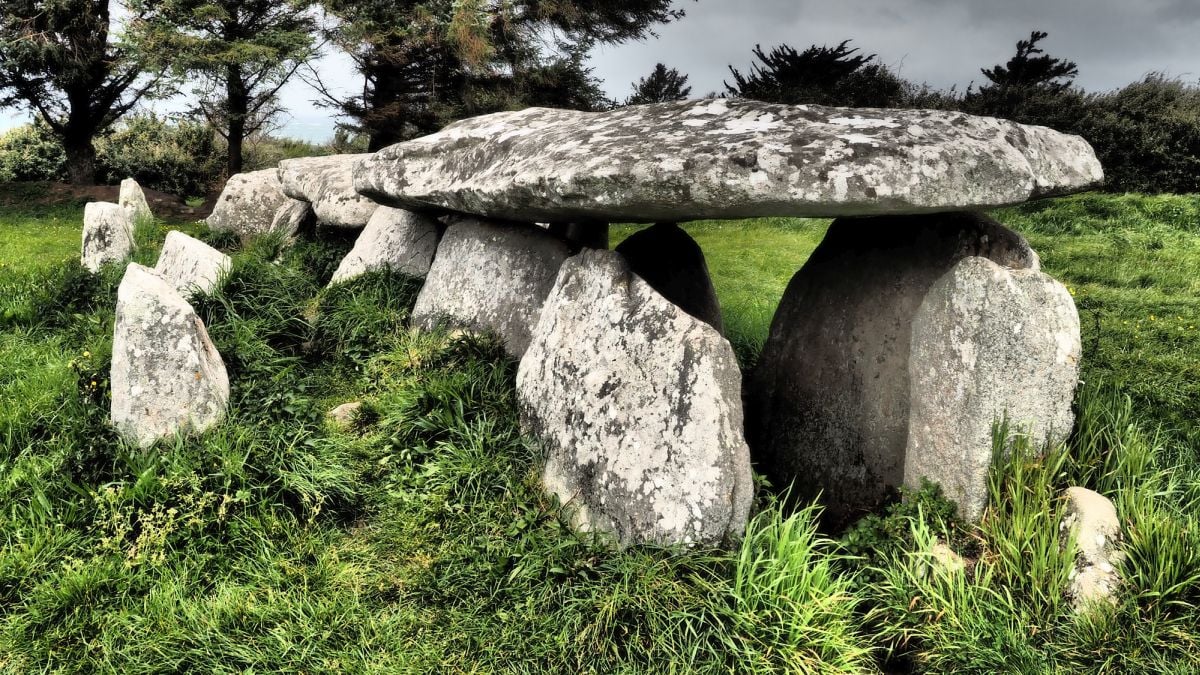
Human history is often framed as a relentless upward climb toward complexity and density. However, new research suggests that our ancestors faced periods of profound demographic instability that mirror our modern fears of systemic collapse. Five millennia ago, Europe underwent a mysterious, massive population implosion that challenges everything we thought we knew about early agricultural societies.
The Neolithic Bottleneck
Recent data indicates that the smooth progression of the Neolithic era was, in fact, punctuated by sudden, sharp fluctuations. These weren't mere minor dips; they were structural collapses of early civilizations. Whether driven by climate instability, plague, or social stratification, these events served as a harsh filter for human development.
Lessons for the Future
By studying these ancient collapses, we gain a unique vantage point on contemporary global challenges. History reminds us that population growth is not a linear constant but a variable subject to the fragility of our ecosystems. As we navigate the complexities of the 21st century, understanding these ancient 'resets' may be the key to ensuring that our current societal architecture remains resilient in the face of inevitable, unforeseen disruption.