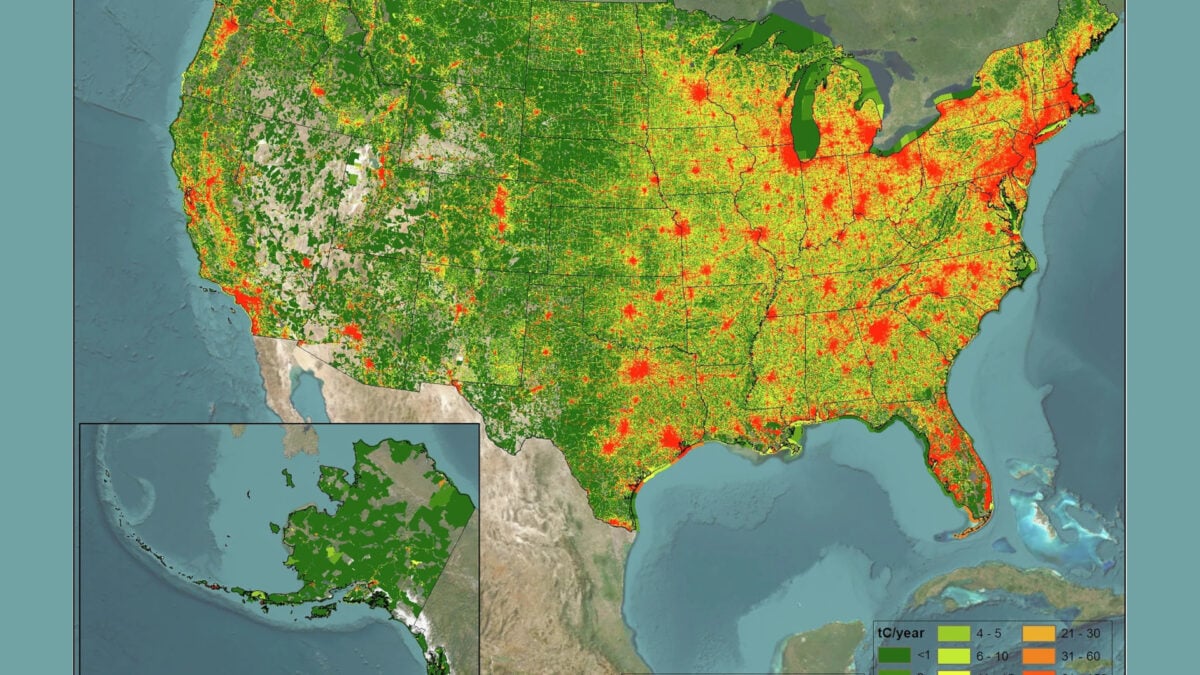
The Right to Know: Unmasking America's Carbon Polluters and the Fight for Emissions Transparency
In the complex battle against climate change, a foundational truth often emerges: you can't manage what you can't measure. For years, environmental scientists, policymakers, and concerned citizens have underscored the critical importance of accurate, comprehensive data on planet-warming carbon dioxide (CO2) emissions. Yet, as recent reports from outlets like Gizmodo highlight, America's efforts to track its own carbon footprint have faced profound challenges, particularly during the Trump administration, where the very existence of such tracking faced existential threats.
The notion of mapping 'America’s Dirtiest Carbon Polluters to Ridiculous Precision' isn't just a catchy headline; it speaks to a fundamental principle of environmental governance and public accountability. Without granular data detailing who is polluting, by how much, and where, effective climate action remains an aspirational goal rather than a tangible reality. This article delves into why such transparency is non-negotiable, the consequences of its suppression, and the path forward for a data-driven approach to climate stewardship.
The Imperative of Measurement: Why Data is King in Climate Action
Accurate CO2 emission data serves as the bedrock for all meaningful climate policy. It allows scientists to model future climate scenarios, helps governments set realistic reduction targets, and enables industries to track their progress towards sustainability. Beyond aggregate national figures, precise data on individual polluters—from power plants to industrial facilities—is crucial for identifying hotspots, understanding the efficacy of regulations, and holding corporations accountable for their environmental impact.
Furthermore, such data is indispensable for international climate agreements, providing the necessary metrics to monitor compliance and ensure equitable burden-sharing among nations. When measurement falters, the entire global framework for climate action becomes compromised, undermining trust and stalling progress at a time when urgency is paramount.
A Right Denied? The Erosion of Transparency
The assertion that “The U.S. taxpayers have a right to this data” encapsulates the democratic principle at stake. Citizens, who bear the ultimate costs of climate change – from extreme weather events to public health crises – deserve full transparency regarding the sources of pollution contributing to these challenges. Obscuring or actively dismantling systems for tracking emissions represents a significant setback, not just for environmental protection but for democratic accountability.
“The U.S. taxpayers have a right to this data.”
When data collection is weakened, several detrimental effects cascade. It emboldens polluters, who face less scrutiny. It disempowers communities, particularly those in environmental justice zones, who often disproportionately suffer the health impacts of industrial emissions. And it creates a void of information that prevents informed public discourse and effective policy advocacy.
Beyond the Aggregate: The Power of Precision Mapping
The concept of 'ridiculous precision' in mapping emissions is transformative. It moves beyond broad industrial categories to pinpoint specific facilities, revealing localized impacts and allowing for targeted interventions. This level of detail can expose loopholes in regulations, identify repeat offenders, and guide investments in cleaner technologies precisely where they are needed most.
For local governments and grassroots organizations, precise mapping provides invaluable tools for advocacy, urban planning, and public health initiatives. It helps paint a clearer picture of the environmental burden on specific neighborhoods, fostering more equitable and just environmental policies.
The Economic and Environmental Toll of Ignorance
A lack of transparent emissions data carries profound economic and environmental costs. Without knowing who the 'dirtiest polluters' are, regulators cannot efficiently enforce environmental laws, leading to increased health costs from air and water pollution, diminished natural resources, and exacerbated climate change impacts that strain public budgets for disaster relief and infrastructure resilience.
Conversely, robust data empowers market forces to drive change. Investors increasingly demand environmental, social, and governance (ESG) disclosures, and companies with transparent, low-emission profiles often attract more capital and customer loyalty. Hiding data not only harms the environment but can also put American businesses at a disadvantage in a global economy increasingly prioritizing sustainability.
Charting a Path Forward: Rebuilding a Data-Driven Future
Reaffirming the public's right to comprehensive emissions data is a critical step towards re-establishing America's leadership in climate action. This involves strengthening federal agencies responsible for data collection, investing in advanced monitoring technologies, and ensuring public access to this vital information.
The scientific community, independent watchdogs, and a vigilant press corps also play indispensable roles in filling data gaps and holding power accountable. Ultimately, an informed public is an empowered public, capable of demanding the climate action necessary to secure a sustainable future.
Conclusion
The struggle over carbon emissions data is more than a technical debate; it is a battle for transparency, accountability, and the very future of our planet. As the adage goes, you can't manage what you can't measure. For America, and indeed the world, the precise measurement of our carbon footprint is not a luxury, but an absolute necessity for confronting the climate crisis head-on and building a more resilient, equitable world.