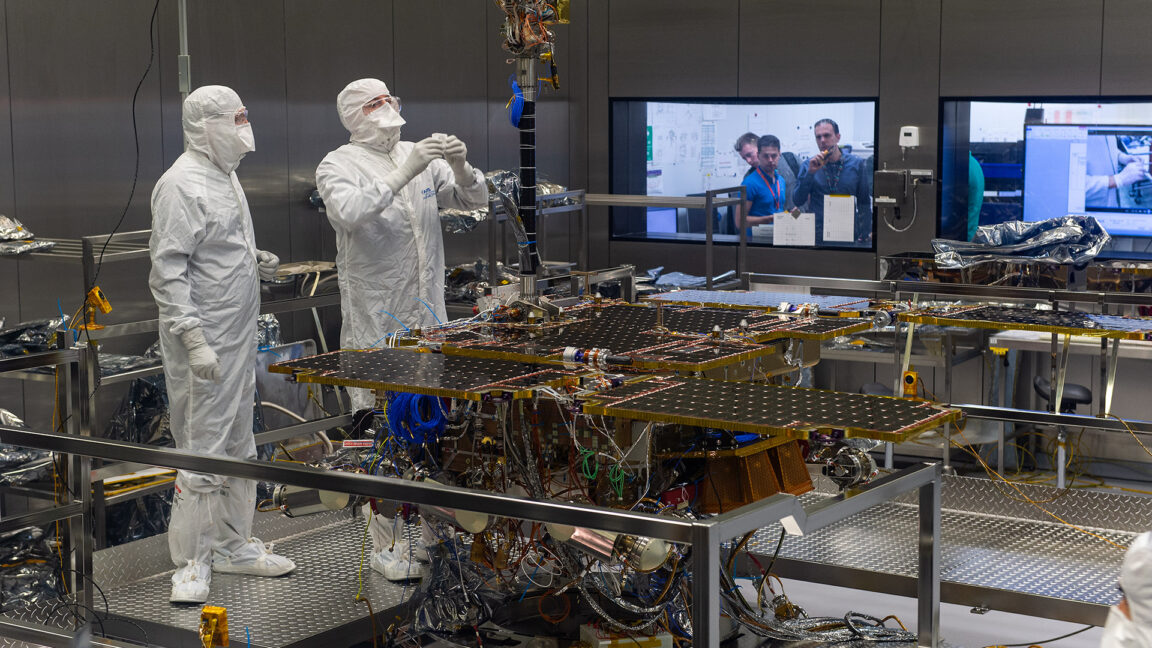
A Mission Reborn
The Rosalind Franklin rover, the crown jewel of the European Space Agency's ExoMars program, has spent years in a state of suspended animation—a victim of geopolitical fallout and launch scheduling instability. After being pulled from its original Russian Proton rocket following the invasion of Ukraine, the mission faced a precarious future. Now, it has found a definitive path forward: SpaceX's Falcon Heavy.
Why the Falcon Heavy Matters
Choosing the Falcon Heavy is more than just a logistical swap; it is a statement on the shifting landscape of space access. The heavy-lift capability of SpaceX’s launch vehicle provides the necessary payload capacity and performance margins to ensure the rover reaches the Martian surface securely. This partnership underscores the growing reliance of legacy space agencies on private enterprise to fulfill complex, high-stakes interplanetary missions.
Looking Toward the Red Horizon
The mission is not just about landing; it is about seeking the signature of ancient life. Equipped with a drill capable of reaching two meters below the surface, Rosalind Franklin will search for biological evidence protected from the harsh radiation of the Martian atmosphere. By securing a ride with SpaceX, the ESA is ensuring that this critical scientific data—years in the making—is no longer held hostage by diplomatic tensions but is finally on its way to discovery.