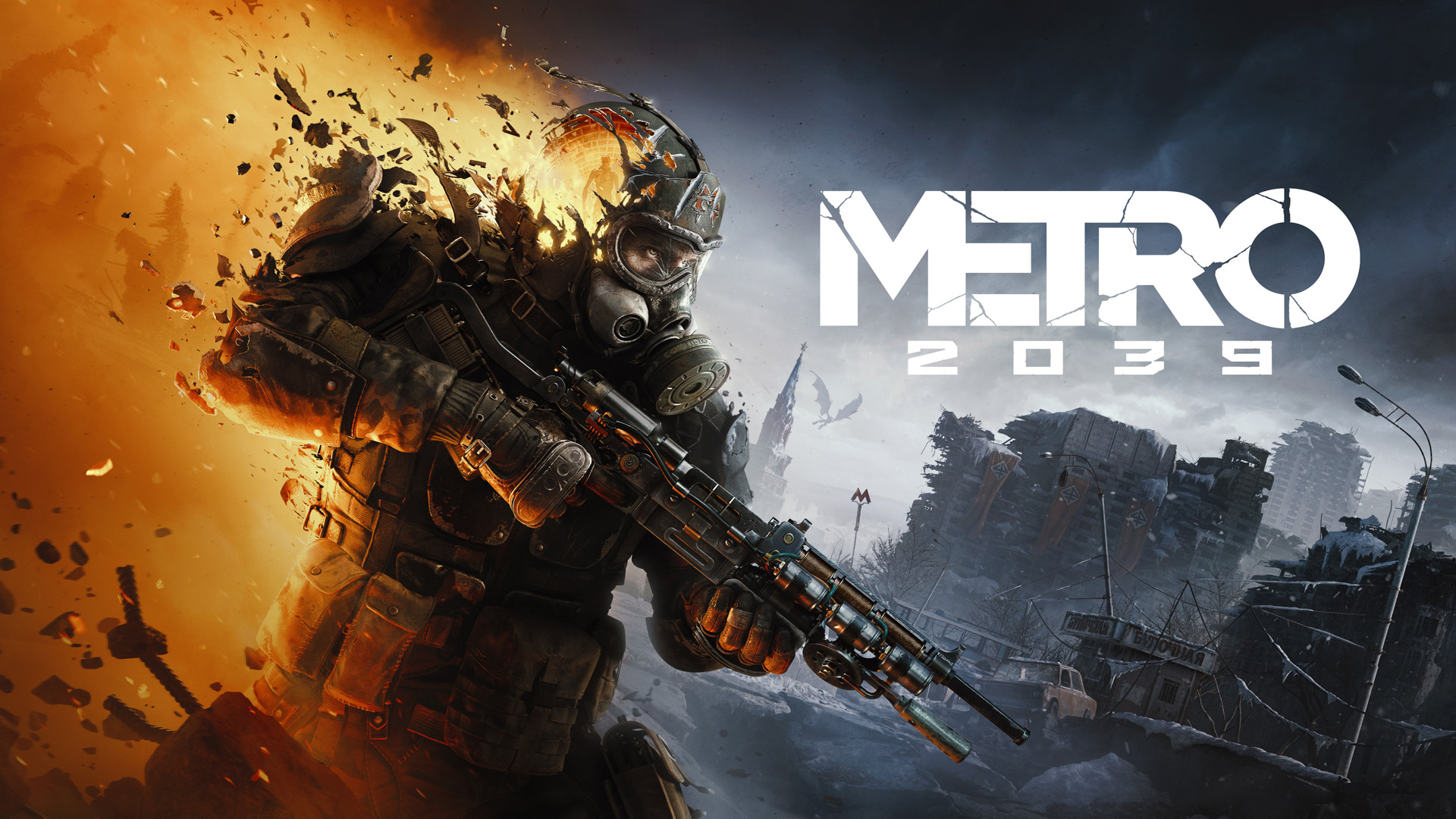
The Evolution of the Metro Legacy
4A Games has officially pulled back the curtain on Metro 2039, and the industry is taking notice. Moving beyond the atmospheric corridors of the previous entries, this fourth installment promises to be the darkest and most narrative-heavy experience in the studio's history. By leaning into the single-player, story-driven DNA that defined the franchise, 4A Games is making a bold statement in an era dominated by live-service multiplayer titles.
A Deeper World, A Darker Reality
From the world premiere broadcast, it is clear that Metro 2039 intends to push the boundaries of environmental storytelling. The technical fidelity displayed suggests that the post-apocalyptic landscape will not just be a backdrop, but a dynamic, suffocating force that actively challenges the player's survival instincts. With refined stealth mechanics and a narrative weight that implies more consequence-driven outcomes, this title is positioned to redefine the survival-shooter genre.
Implications for the Future
The decision to remain strictly single-player is a massive win for fans of the original vision. As the Metro series matures, the integration of more complex AI and survival systems indicates that 4A Games is prioritizing player immersion over fleeting trends. We are looking at a potential gold standard for the modern immersive sim.