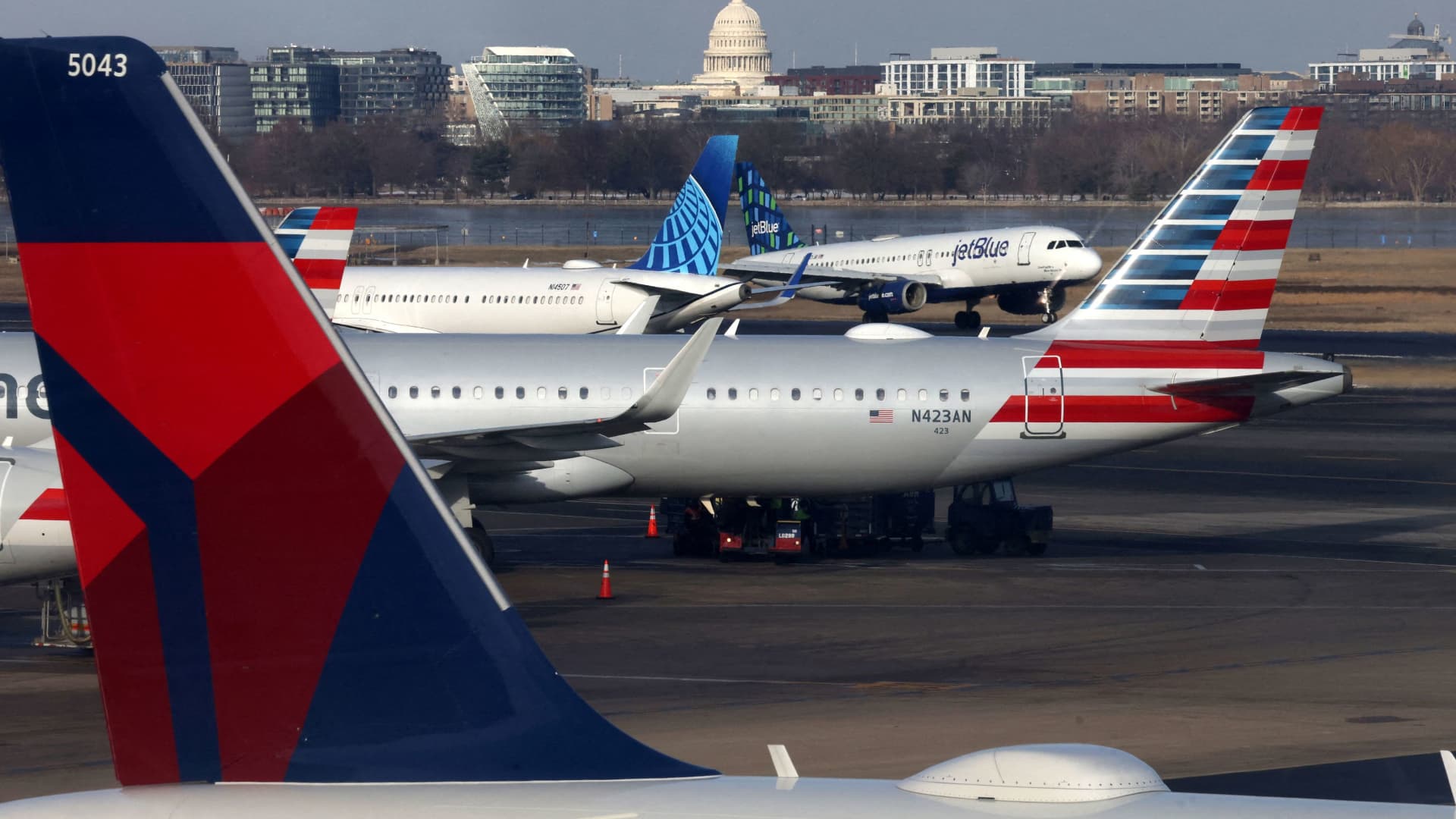
The Tug-of-War Over Sky-High Fares
As global geopolitical tensions continue to influence energy markets, the aviation sector has remained under intense scrutiny. Since the onset of the conflict in late February, airline carriers have aggressively passed rising fuel costs onto the consumer, leading to a surge in base airfares, steep baggage fees, and complex surcharges. Now, however, the tide is turning, and a U.S. lawmaker is demanding accountability.
The Consumer Accountability Mandate
Legislators are calling for transparency. The central argument is simple: if airlines justify fare hikes through the necessity of covering fuel volatility, they are ethically—if not contractually—obligated to pass the savings back to the passenger when those costs inevitably stabilize or decline. This creates a challenging paradox for airline boardrooms, which are currently enjoying healthy margins built on the back of these premium price structures.
Future Implications for Travel
The pressure on airline CEOs highlights a broader shift in the post-pandemic recovery era, where travelers are increasingly sensitive to pricing and service fees. If the industry fails to adjust prices in line with fuel costs, they risk facing more stringent regulatory oversight. Moving forward, the industry must decide whether to view lower fuel costs as a return to consumer fairness or an opportunity to solidify record-high profit margins.