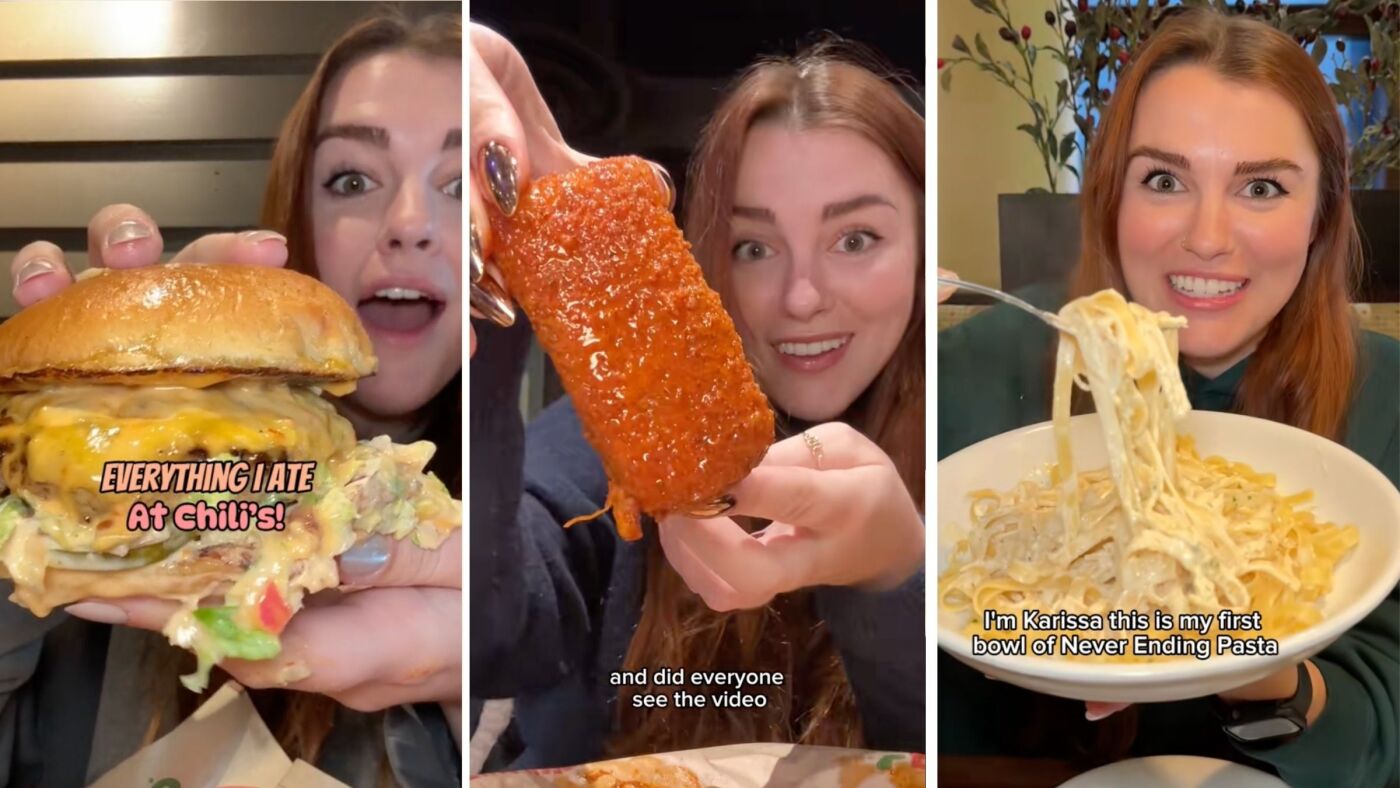
American chain restaurants – from the familiar diner on the roadside to the family-friendly sit-down establishment – are more than just places to eat; they are interwoven into the fabric of the nation's cultural landscape. Affordable, consistently reliable, and undeniably convenient, these institutions have long been a go-to for millions. Yet, in an increasingly fragmented market and with evolving consumer preferences, even these titans of comfort food face immense pressure. Enter the "cheese pull" – a phenomenon that has transcended mere culinary delight to become a potent, albeit complex, strategic weapon in the battle for relevance and revenue.
The Ubiquity and the Challenge
For decades, chain restaurants thrived on predictability. Diners knew exactly what to expect, no matter where they were in the country. This model of consistent quality and pricing built empires. However, the rise of artisanal eateries, fast-casual innovations, and the overarching influence of social media has fundamentally altered the dining landscape. Consumers, particularly younger generations, seek not just sustenance but an "experience" – one that is often shareable, visually appealing, and perceived as authentic.
This shift has left many traditional chains grappling with how to stay current without alienating their core demographic. The answer, for an increasing number, has been to embrace the digital zeitgeist, weaponizing visual trends for viral appeal. Going viral, as the saying goes, is appetizing – but the true cost, both to brand identity and operational integrity, is a nuanced discussion.
The Anatomy of a Viral Moment: The Cheese Pull Explained
The "cheese pull" is deceptively simple: melted cheese stretched tantalizingly between two pieces of food, creating an elastic, gooey spectacle. It's a visual shorthand for indulgence, comfort, and deliciousness. More importantly, it's inherently cinematic. A perfect cheese pull demands to be photographed, filmed, and shared. It’s an instant, organic (or organically engineered) piece of content for platforms like Instagram and TikTok, turning customers into unwitting brand ambassadors.
Chains have swiftly recognized this. From new menu items designed with maximum stretchability to strategic plating that highlights the cheese's elasticity, every element can be optimized for the camera. This isn't accidental; it's a deliberate foray into a form of marketing that leverages user-generated content, promising exposure that traditional advertising budgets could only dream of.
The Strategic Imperative: Why Virality Matters Now
In an era where attention is currency, virality offers a shortcut. A single viral video can catapult a dish, or even an entire restaurant, into the collective consciousness. For chains struggling with stagnant growth or declining foot traffic, this digital buzz can translate directly into increased patronage. It creates a sense of urgency and FOMO (fear of missing out), driving customers to experience the viral sensation for themselves.
Moreover, viral trends provide a fresh narrative for brands often perceived as stale or predictable. It allows them to experiment with limited-time offers, create seasonal promotions, and engage with a younger, digitally native audience on their own terms. It’s a powerful tool to bridge the gap between traditional brand loyalty and the fickle nature of online trends.
The Hidden Costs and Future Implications
However, the pursuit of virality is not without its pitfalls. The "cost" extends beyond the initial investment in ingredients or marketing campaigns; it delves into the very essence of a brand's identity and long-term sustainability.
- Authenticity vs. Performance: When dishes are primarily designed for visual appeal rather than culinary excellence, does it dilute the brand's commitment to quality? Can a restaurant be both genuinely delicious and perpetually Instagrammable without compromise?
- Operational Strain: Consistently delivering the "perfect" viral moment across hundreds or thousands of locations puts immense pressure on kitchen staff and supply chains. Maintaining that consistency while dealing with increased demand can lead to burnout and quality control issues.
- Short-Term Gains, Long-Term Loyalty: While viral trends can drive immediate traffic, they often attract "trend chasers" rather than loyal customers. Building lasting relationships requires more than a fleeting moment of internet fame.
- The Echo Chamber Effect: As more chains chase similar viral trends, the market risks becoming saturated with visually similar, yet ultimately indistinguishable, offerings. The very uniqueness that initially sparked virality can be lost in a sea of imitation.
- Brand Dilution: If a brand's identity becomes overly reliant on fleeting internet trends, it risks losing its core values and failing to establish a stable, long-term brand narrative. What happens when the next "cheese pull" comes along and they haven't cultivated deeper loyalty?
Looking ahead, the relationship between chain restaurants and viral marketing is set to become even more intertwined. Menu development will likely continue to integrate social media shareability as a key criterion. The challenge for these established eateries will be to harness the power of virality without sacrificing the foundational qualities that made them successful in the first place: quality, consistency, and genuine customer satisfaction. The cheese pull, while undeniably effective, is merely a symptom of a larger shift – a constant negotiation between tradition and trend, substance and spectacle. The chains that master this delicate balance will not just survive; they will continue to define America's roadside culinary culture for generations to come.