A Chokehold on Global Energy
The announcement by CENTCOM commander Adm. Brad Cooper confirming the full implementation of a blockade on Iranian ports marks a definitive escalation in the ongoing standoff over the Strait of Hormuz. By cordoning off these critical maritime arteries, the United States has effectively leveraged the world's most vital energy transit point as a bargaining chip, forcing a high-stakes recalibration of regional power dynamics.
The Illusion of Compliance
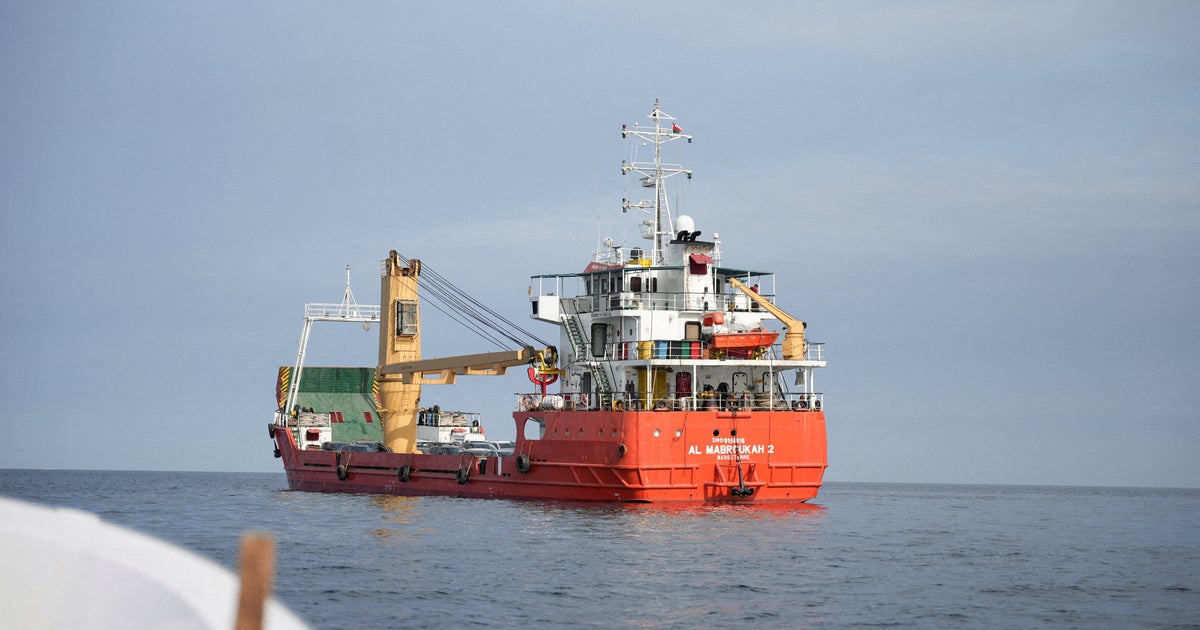
Despite the bold posture from Washington, tracking data suggests a more fluid reality. Reports of Iran-linked vessels continuing to transit the waterway post-blockade hint at either systemic enforcement gaps or a deliberate strategic choice by Tehran to test the limits of U.S. naval patience. This friction underscores the fragility of the current ceasefire.
Future Implications
As President Trump weighs the prospect of renewed diplomatic engagement, the blockade serves as both a shield and a sword. If the strategy fails to choke Tehran’s economic capabilities, the administration risks a credibility crisis. Conversely, if successful, it may force Iran to the negotiating table from a position of profound weakness. The coming weeks will determine if this naval maneuver brings long-term stability or precipitates an accidental flashpoint in one of the world's most volatile maritime corridors.