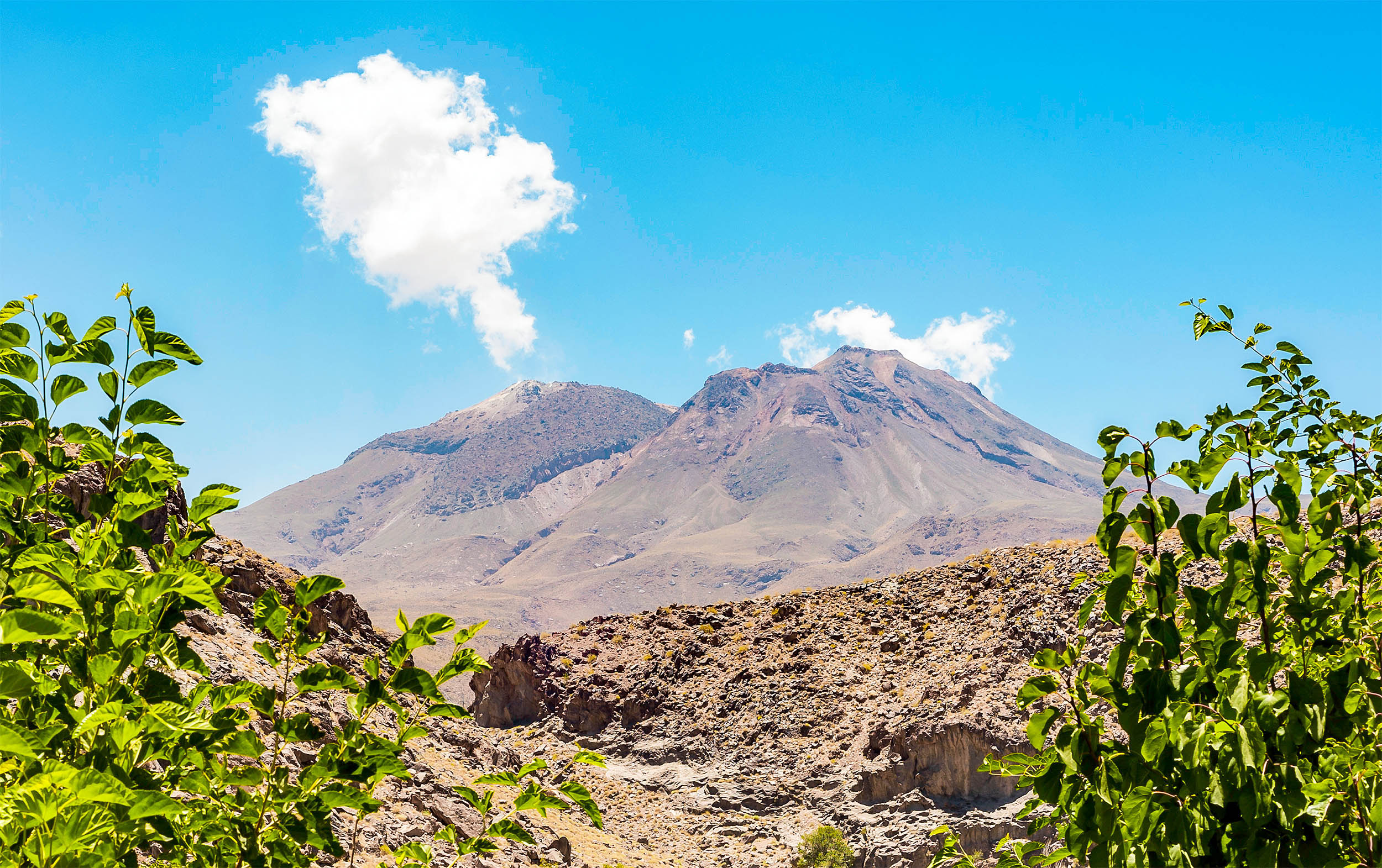
A Silent Giant Stirs
For 700,000 years, the Taftan volcano in southeastern Iran stood as a quiet sentinel of the landscape, long considered geologically inactive. However, recent satellite data has shattered that assumption, revealing that the mountain has risen by 3.5 inches (9 centimeters) in just 10 months. While this measurement may seem negligible, in the world of geophysics, it is a definitive roar from the deep.
The Science of Inflation
Geological inflation is rarely a random occurrence. Typically, this surface-level rise is a symptom of magma migrating into the crust, creating pressure that deforms the terrain above. By employing advanced Interferometric Synthetic Aperture Radar (InSAR), researchers were able to track these minute shifts, uncovering evidence of potential magmatic activity that had been effectively invisible to ground observers for millennia.
Future Implications
The reactivation of a long-dormant volcano presents a unique challenge for regional safety and scientific monitoring. While an eruption is not guaranteed, the data demands an increase in seismic surveillance. The Taftan case study serves as a stark reminder that 'dormant' in geological terms is not synonymous with 'dead,' and that our planet's crust remains a dynamic, ever-changing environment capable of waking at any moment.