The Anatomy of a Modern Car Scam
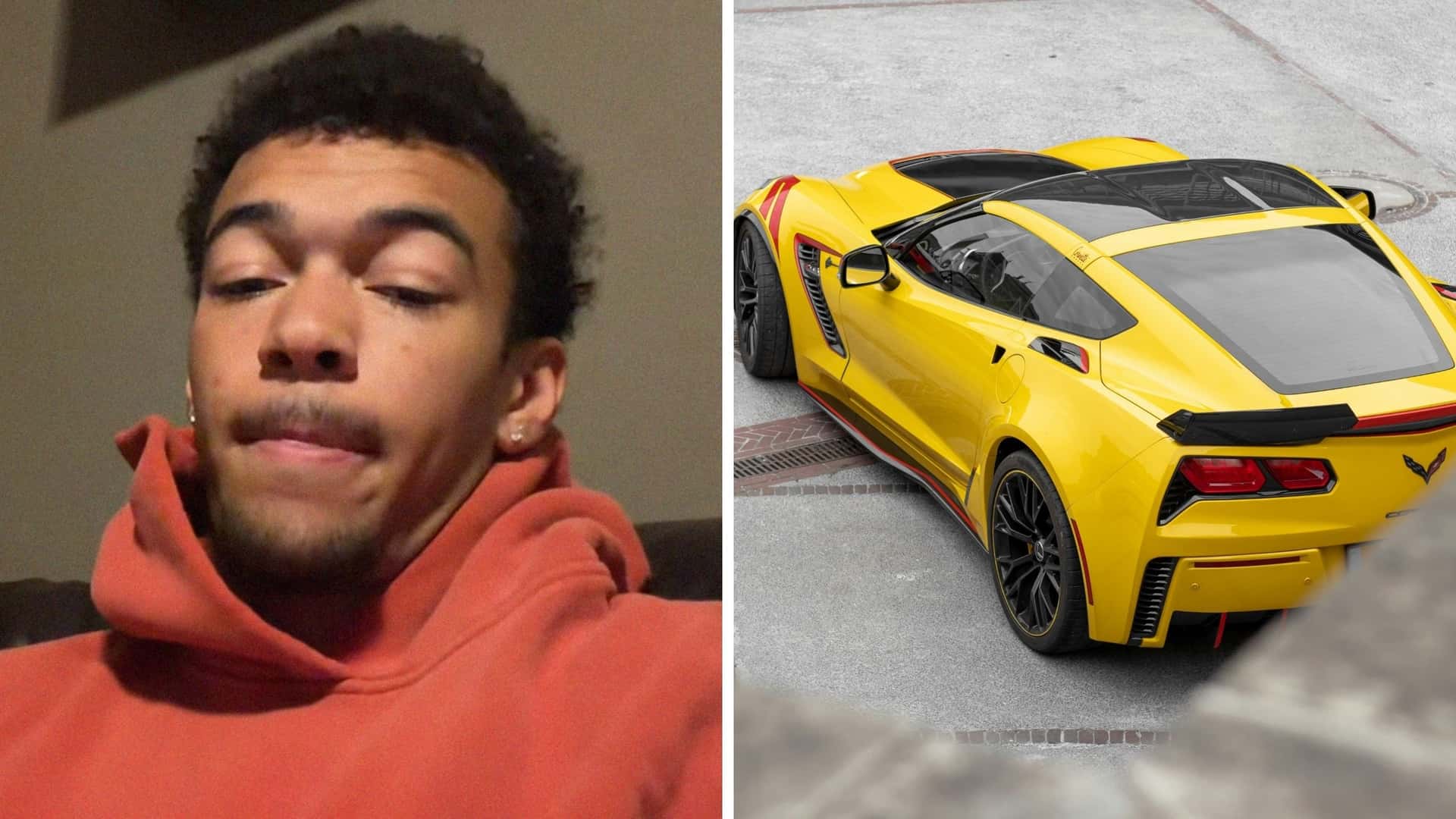
In a cautionary tale that has rippled across the enthusiast community, a Corvette Z06 owner recently discovered the harrowing reality of private vehicle transactions in the digital age. After a seven-hour journey to Chicago to finalize a $60,000 sale, the seller was met with a classic 'test drive' ruse—a scenario that underscores the dangerous lack of security protocols in peer-to-peer automotive commerce.
The Growing Threat to Private Sellers
This incident is far from an anomaly. As high-end vehicle values remain volatile, criminals have pivoted toward exploiting the trust inherent in online marketplaces. The strategy is clinical: present a buyer persona, leverage physical proximity to intimidate or distract, and vanish with the keys before the seller can verify funds. The 'small bag of cash' is a psychological prop used to create urgency and lower the seller's guard.
How to Protect Your Assets
To mitigate these risks, sellers must adopt institutional-grade security measures. First, never finalize a sale in a residential or secluded area. Opt for a neutral, high-surveillance location like a police precinct exchange zone. Second, insist on a secure digital wire transfer that is verified by your bank before keys are exchanged. Finally, if a 'buyer' refuses to leave a copy of their license or provide proof of insurance before a test drive, terminate the interaction immediately. If it feels like a scam, it usually is.