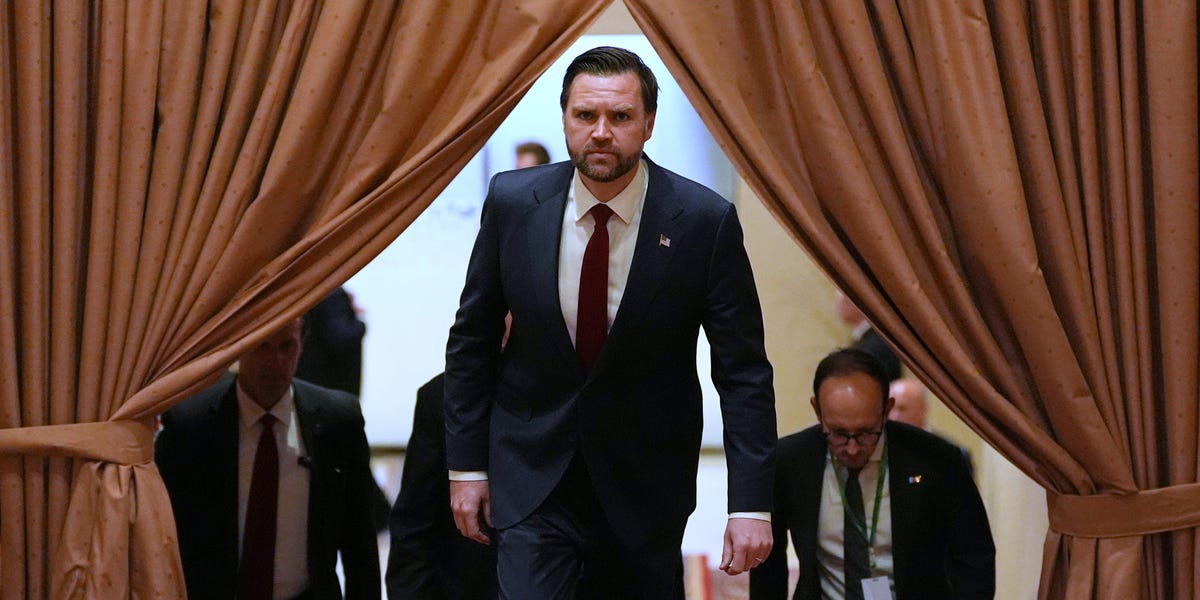
The End of Diplomatic Optimism
The recent collapse of the 21-hour marathon peace talks between the United States and Iran, confirmed by Vice President JD Vance in Islamabad, marks a significant pivot in global geopolitical relations. As the dust settles, financial markets are bracing for a period of heightened volatility, reflecting the deep uncertainty that now shrouds the Middle East.
Economic Ripples and Energy Volatility
Economists are quick to point out that the failure of these talks is not merely a diplomatic disappointment—it is a market catalyst. The immediate concern remains the energy sector; with the potential for tightened sanctions and renewed regional posturing, oil prices are expected to remain sensitive. Analysts suggest that the 'risk premium' on global crude is unlikely to dissipate in the short term, putting upward pressure on energy-importing economies.
Future Implications for Global Investors
For investors, the takeaway is clear: the era of 'geopolitical calm' has been replaced by a reality where diplomatic breakdowns occur in real-time. As foreign policy experts digest the implications, the focus now shifts to how individual nations and major corporations will navigate a fragmented, unpredictable international trade environment. The 'wait-and-see' approach by institutional players is expected to dominate market sentiment in the coming quarter.