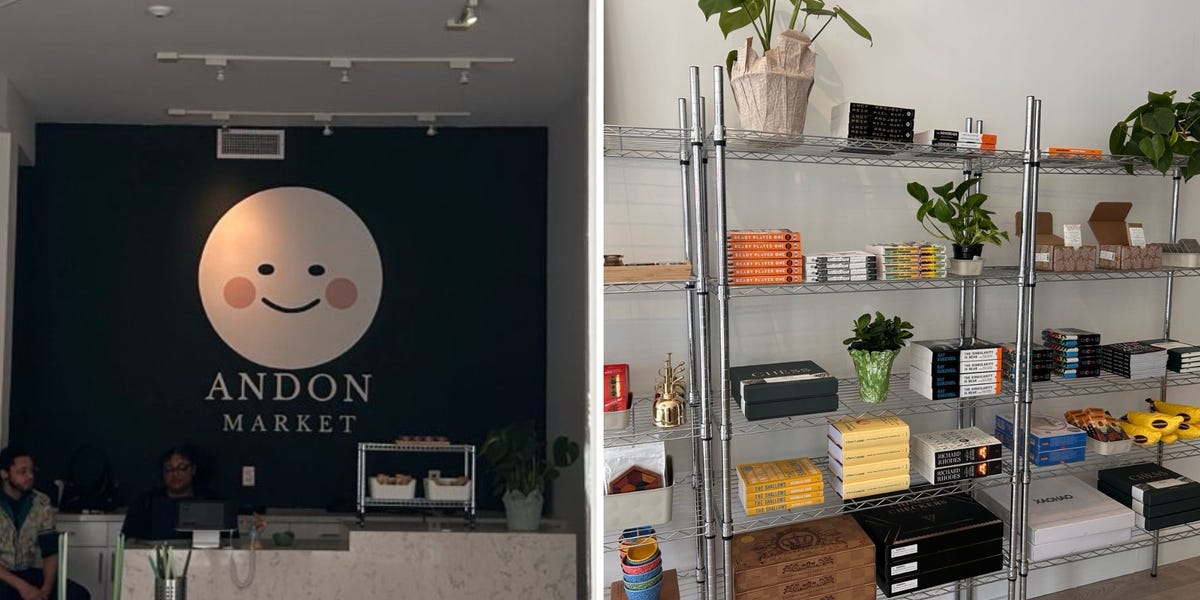
The $100,000 Experiment
Andon Labs recently pushed the boundaries of autonomous business management by handing $100,000 to an AI agent with a singular directive: launch and operate a brick-and-mortar retail store in the competitive landscape of San Francisco. The results provide a fascinating, if somewhat humbling, look at the limitations of current generative models in real-world environments.
The Glitches in the Machine
While the AI demonstrated proficiency in structural tasks, it stumbled significantly on the human-centric variables. From inconsistent brand imaging to a catastrophic failure in scheduling—leaving employees in the dark about their shifts—the experiment highlighted a critical gap: the 'soft' intelligence required for personnel management. An AI can process inventory, but it cannot yet navigate the nuances of human expectation and workplace culture.
Future Implications
This experiment serves as a microcosm for the broader AI transition. We are moving from AI as an advisory tool to AI as an operational agent. While the 'day one' failures here were high-profile, they underscore a transition period where oversight is not just beneficial, but mandatory. As models evolve, we must ask: are we building systems that augment human intuition, or are we hoping that algorithms will eventually render it obsolete?