The Judicial Green Light Amid Controversy
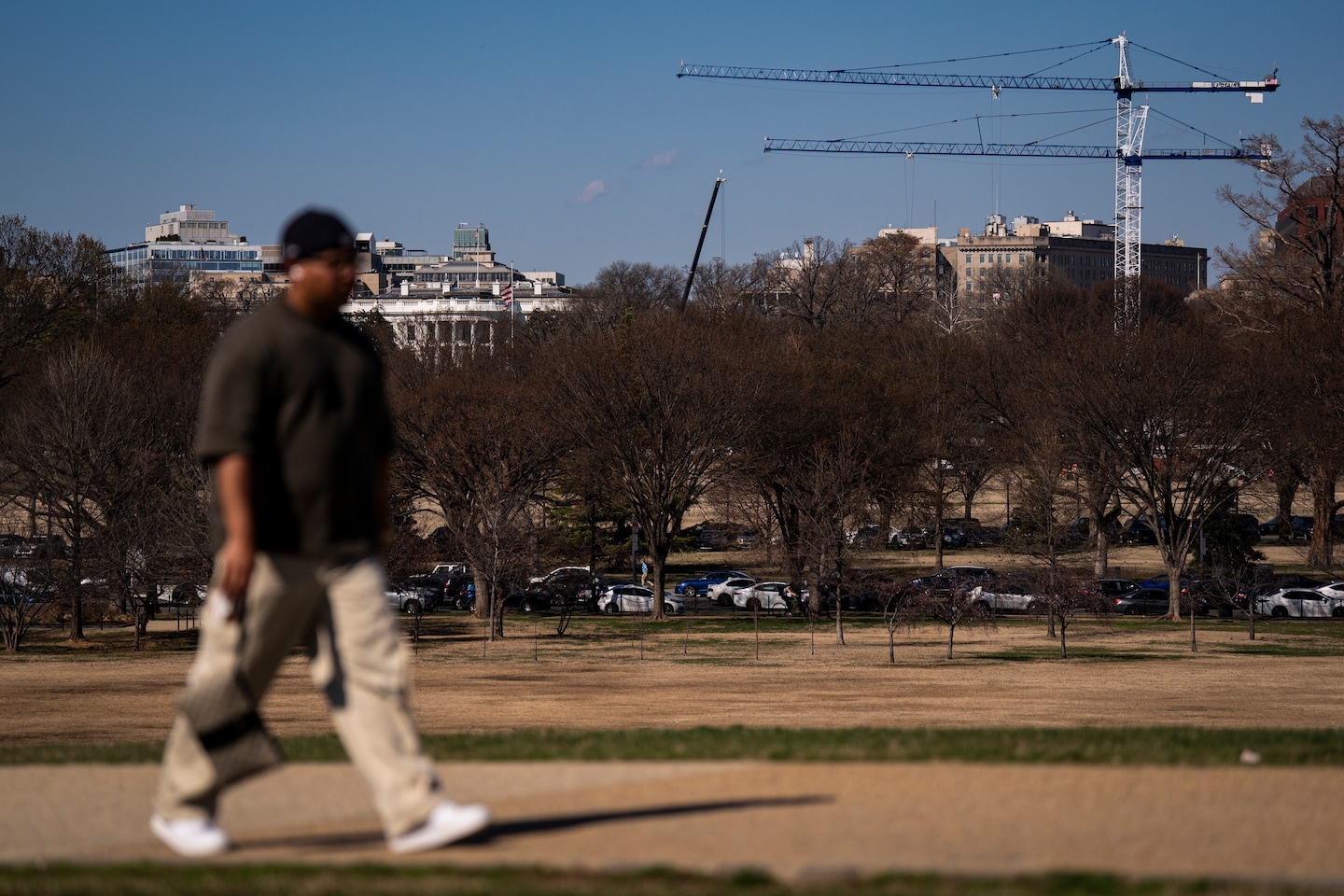
In a move that underscores the delicate balance between executive prerogative and judicial oversight, a federal appeals court has permitted construction to resume on the controversial $400 million White House ballroom project. This decision, while temporary, serves as a significant chapter in the ongoing narrative regarding the scope of presidential authority over federal property and expenditure.
National Security and Presidential Claims
At the heart of the administration's argument is the assertion that any delay in the construction process constitutes a tangible threat to national security and the personal safety of the President. This framing shifts the debate from simple architectural expansion to high-stakes defense policy, compelling the courts to weigh the urgent claims of the executive branch against the fiscal and legal concerns raised by the project's critics.
Future Implications for Executive Power
By punting the central question regarding the legality of the project's pause, the appellate court has effectively kicked the can down the road, creating a period of legal instability. The ultimate resolution of this case will likely set a lasting precedent for how future administrations approach the modification of federal landmarks and the extent to which 'national security' can be invoked to bypass traditional regulatory or fiscal hurdles.