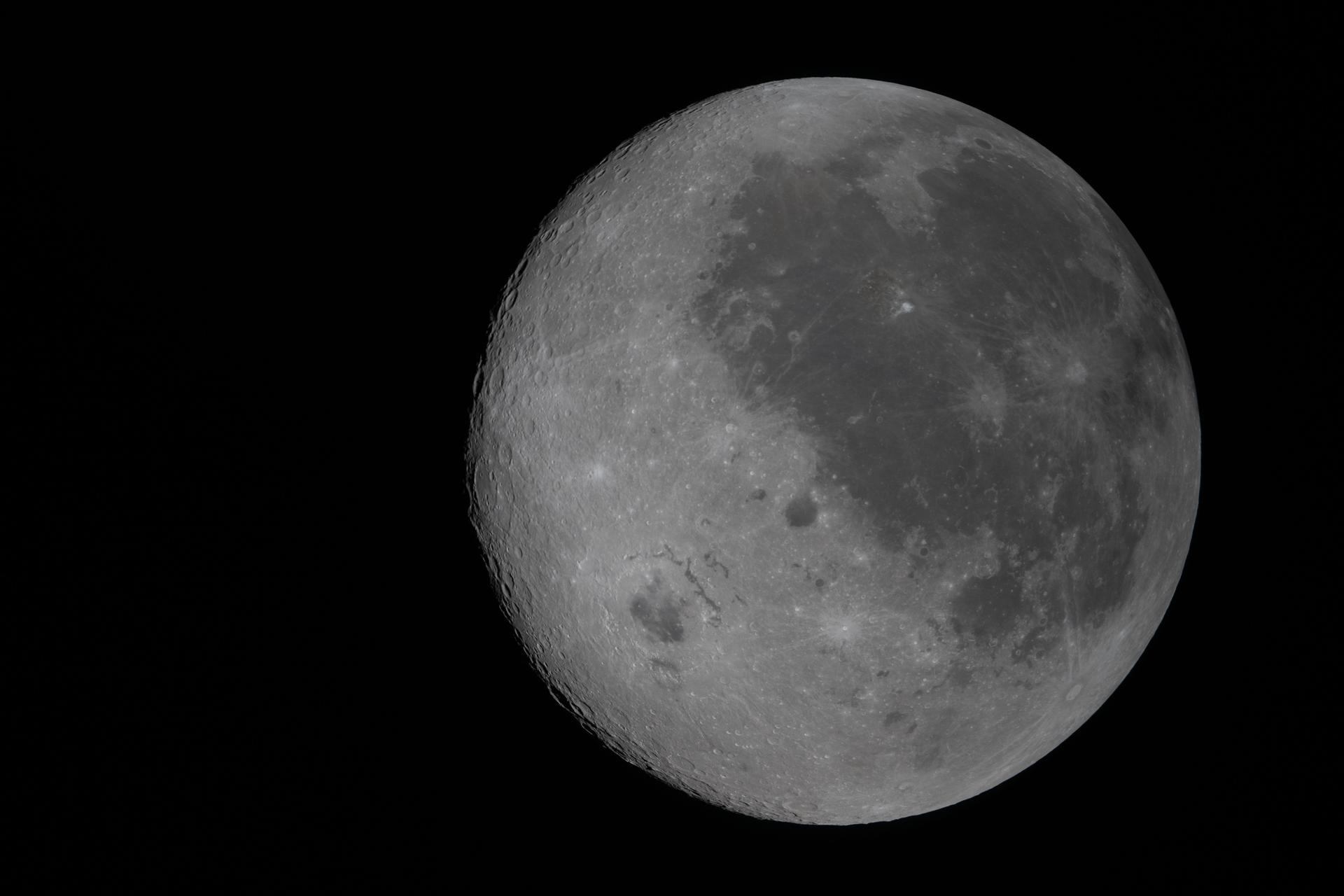
Behind the Moon: The Unseen Tension Between Astronauts and Mission Control
The allure of space exploration is undeniable. Images of astronauts floating gracefully, conducting experiments against the backdrop of Earth, captivate generations. The Artemis mission, in particular, reignites the dream of lunar return and deep space pioneering. Yet, beneath the surface of this monumental human endeavor lies a subtle, often unacknowledged, tension: the dynamic between the highly trained crew in orbit and the equally brilliant, omnipresent team of Mission Control on Earth.
The Indispensable Eye: Why Mission Control Matters
From the very first human spaceflights, Mission Control has been the astronauts' lifeline, their eyes and ears on the ground, and their ultimate safety net. It's a complex, multi-layered operation where thousands of variables – from atmospheric pressure and propulsion systems to astronaut vital signs and mission trajectory – are monitored in real-time. This world-spanning team of geniuses, engineers, scientists, and flight controllers provides an unparalleled level of support and expertise, ensuring the crew's well-being and the mission's success in an unforgiving vacuum.
In the vast, silent expanse beyond Earth, the constant chatter from Houston or other control centers can be incredibly reassuring. It's the voice of home, of safety, of a collective human intelligence dedicated to keeping you alive. Every anomaly, every procedure, every step is carefully vetted and often dictated by the ground. For missions like Artemis, pushing the boundaries further than before, this meticulous oversight is not just beneficial; it's absolutely critical.
The Human Element: When Oversight Becomes Overreach
But what happens when that reassuring voice becomes a constant drone? When meticulous oversight crosses into perceived micromanagement? The very source of security can, over prolonged periods, become a source of profound annoyance. Astronauts are, by nature, highly capable, autonomous individuals, selected for their resilience, problem-solving skills, and ability to operate under pressure. They are trained to handle crises and make split-second decisions.
Imagine being in the most exclusive, high-stakes environment imaginable, with a team of incredibly smart people literally in your ear and up your butt, constantly reminding you about protocols you've rehearsed thousands of times, or offering advice on tasks you're perfectly capable of executing. This isn't just a minor inconvenience; it's a significant psychological factor. The lack of true privacy, the inability to truly disconnect, and the constant feeling of being monitored can lead to 'nagging fatigue,' frustration, and a subtle but persistent erosion of autonomy.
Lessons from History and Glimpses of the Future
Historically, the interaction has evolved. Early Apollo missions, with their significant communication delays, inherently afforded astronauts greater independence. They were often forced to improvise and make calls without immediate ground intervention. Modern missions, however, with near real-time data streams and sophisticated telemetry, allow for an unprecedented level of ground control involvement, magnifying the potential for this friction.
As humanity ventures deeper into space – to Mars and beyond – communication delays will stretch from minutes to tens of minutes, making real-time micromanagement utterly impossible. Future deep-space missions will necessitate a radical shift towards greater astronaut autonomy. Crews will have to be empowered to make critical decisions independently, with Mission Control transitioning from a real-time director to a more strategic, advisory role. This shift will require not only technological advancements in on-board AI and diagnostics but also a fundamental re-evaluation of astronaut selection, training, and psychological support.
Navigating the Path Forward
Addressing this unseen tension isn't about diminishing Mission Control's vital role, but rather about refining the human-to-human interface. It means fostering even greater trust, establishing clear boundaries, and recognizing the psychological toll of constant surveillance. Training should extend beyond technical skills to include advanced psychological resilience for astronauts and improved communication strategies for ground crews, focusing on empowerment over enforcement.
Ultimately, the success of future missions like Artemis, and our journey to the stars, hinges not just on rockets and science, but on the delicate balance of human dynamics. It's about empowering our spacefarers to be the independent explorers they are, while still leveraging the unmatched expertise of the world-spanning team keeping watch from afar. The silent struggle behind the moon highlights a critical truth: even in the ultimate frontier, human psychology remains a frontier unto itself.