The Exploding Pan Crisis: Unpacking the Costco Sauté Pan Recall and Its Wider Implications for Consumer Safety
The humble sauté pan, a staple in kitchens worldwide, is rarely considered a source of danger. Yet, a recent recall has thrust this common culinary tool into the spotlight, revealing a disturbing defect that has left consumers bruised and burned. NovaPress investigates the far-reaching implications of the Costco sauté pan recall, examining the breakdown in product safety, the impact on consumer trust, and the imperative for stricter oversight in an increasingly complex global supply chain.
A Fiery Flaw: The Genesis of the Recall
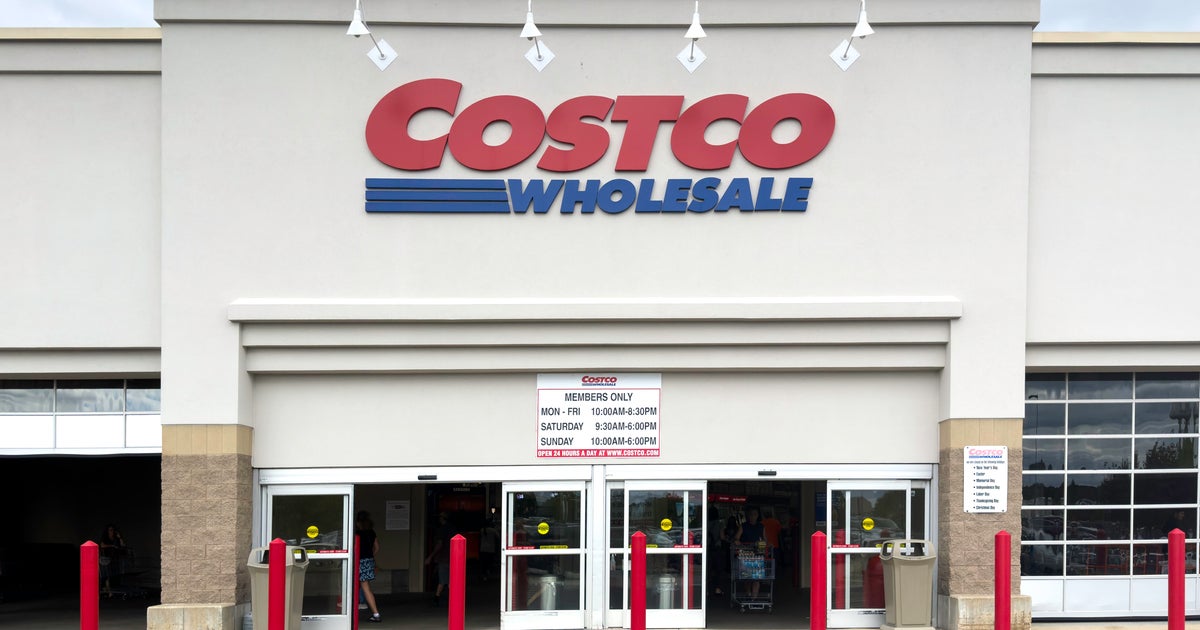
The recall centers around a specific pair of popular sauté pans, sold nationwide at major retailers like Costco, Walmart.com, and other outlets. The critical defect lies within the handle design: the metal cap affixed to the handle has been reported to eject forcefully after being heated, turning a routine cooking experience into a perilous incident. With at least 98 reports of these incidents already registered, the danger is undeniable and widespread. One consumer's account of sustaining both bruising and burn injuries underscores the severity of this design flaw, highlighting a significant failure in product quality control.
Beyond the Burn: The Human and Economic Cost
While physical injuries like burns and bruises are the most immediate and distressing consequences, the impact of such a recall extends far beyond the emergency room. For consumers, the incident represents a breach of trust, a reminder that even everyday items can harbor hidden dangers. The psychological toll of feeling unsafe in one's own kitchen, coupled with the inconvenience and potential financial burden of medical care and product replacement, is substantial.
From an economic perspective, the ripple effects are considerable. Manufacturers face significant costs associated with the recall itself – including identifying faulty units, processing returns, issuing refunds, and managing logistics. More damaging, perhaps, is the indelible stain on brand reputation. For retailers like Costco and Walmart.com, their association with a hazardous product can erode consumer confidence, impacting sales and long-term customer loyalty. In an era where consumers are increasingly conscious of corporate responsibility, a swift and transparent response is paramount, but the initial damage is already done.
Regulatory Lapses and Supply Chain Scrutiny
This incident also shines a critical light on the regulatory frameworks designed to protect consumers. Agencies such as the Consumer Product Safety Commission (CPSC) play a crucial role in identifying and addressing hazardous products. However, the sheer volume and complexity of products entering the market, particularly through extensive global supply chains and burgeoning e-commerce platforms like Walmart.com, present ongoing challenges. The question inevitably arises: how did a product with such a critical, potentially injurious flaw make it through design, manufacturing, and distribution channels to reach consumers' homes?
This recall serves as a stark reminder that robust quality assurance protocols are not merely bureaucratic hurdles but essential safeguards. Manufacturers must invest more heavily in material testing, design validation, and rigorous stress tests that simulate real-world usage. Retailers, in turn, bear a shared responsibility to conduct thorough due diligence on the products they offer, especially when sourcing from third-party vendors. The incident underscores the urgent need for heightened scrutiny across the entire product lifecycle, from concept to kitchen.
Lessons for the Future: Rebuilding Trust and Ensuring Safety
As consumers, proactive vigilance is our first line of defense. Checking product recall lists, registering new purchases with manufacturers, and promptly reporting any unusual product behavior are essential steps. However, the ultimate responsibility for product safety rests with those who design, produce, and sell these items.
Moving forward, the industry must commit to a culture of unyielding safety. This means embracing:
- Enhanced Design for Safety: Prioritizing safety features and fail-safes from the initial design phase.
- Rigorously Tested Materials: Ensuring all components can withstand intended use and potential stresses.
- Transparent Communication: Rapidly and clearly informing consumers about risks and recall procedures.
- Accountability: Holding all actors in the supply chain – from component suppliers to final retailers – responsible for product integrity.
The exploding pan recall is more than just an isolated incident; it's a potent symbol of the ongoing battle for consumer safety in a fast-paced market. For NovaPress, it reinforces our commitment to bringing these critical stories to light, advocating for stronger protections, and empowering our readers to make informed choices. Because in every kitchen, safety should always be the most important ingredient.