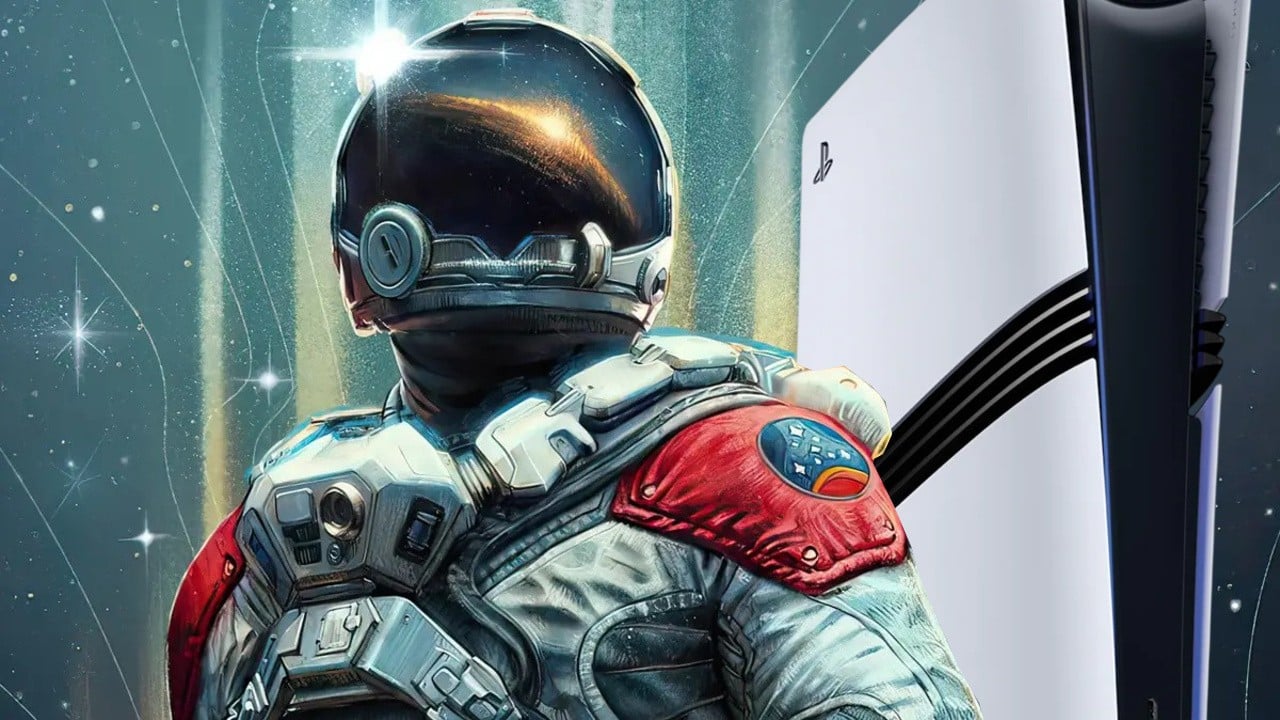
Beyond the Hype: Deconstructing the 'Starfield on PS5' Narrative and the Future of Gaming Exclusivity
A recent headline sparked confusion across the gaming world, prompting a deeper look into marketing, exclusivity, and player expectations.
In an era defined by fierce console competition and multi-platform releases, a recent headline from a prominent gaming publication, Push Square, ignited a firestorm of discussion and bewilderment. Their article, provocatively titled "Here's Why Starfield Will Be Best on PS5 When It Finally Releases Next Week," struck a chord that resonated with both confusion and amusement across the internet. For any gamer even remotely aware of the modern industry landscape, this statement is a profound paradox: Starfield, Bethesda's highly anticipated space epic, is unequivocally an Xbox and PC exclusive.
So, what lies beneath this audacious claim? Is it a glimpse into an alternate gaming reality, a subtle dig, or a sophisticated piece of meta-commentary on the nature of console marketing? At NovaPress, we delve into the core of this intriguing narrative to understand not just the immediate implications, but also the broader currents shaping the future of gaming exclusivity and how publishers, platforms, and players interact.
The Exclusivity Gambit: A Defining Feature of Modern Gaming
The concept of platform exclusivity has been a cornerstone of the gaming industry for decades, serving as a primary driver for hardware sales. However, the current console generation has seen this strategy intensify to unprecedented levels. Microsoft's monumental acquisition of ZeniMax Media (Bethesda's parent company) was a clear declaration of intent: key titles like Starfield and the upcoming Elder Scrolls VI would become strategic advantages for the Xbox ecosystem.
On the other side, Sony PlayStation has long boasted a formidable lineup of first-party exclusives that consistently define its brand and attract millions of players. The 'console wars' are no longer just about hardware specifications or user interfaces; they are profoundly about which platform can offer unique, must-play experiences that cannot be found anywhere else.
Sony's Marketing Acumen: Highlighting 'Differentiating Features'
The source content mentions Sony's penchant for showcasing "PS5 Features trailers from third-party publishers." This is a crucial piece of the puzzle. When a major multiplatform title launches, Sony often collaborates with developers to highlight specific enhancements exclusive to the PlayStation 5 version. These aren't about mere visual upgrades; they focus on leveraging the PS5's unique hardware capabilities. Think DualSense haptic feedback and adaptive triggers, blisteringly fast load times thanks to the custom SSD, or immersive 3D audio.
These trailers serve a clear purpose: to demonstrate the added value of experiencing a game on a PS5, even if it's available on other platforms. It's a powerful marketing tool that persuades consumers that the 'best' version of a multiplatform game can be found on their console, thereby strengthening their brand appeal and justifying the premium console purchase.
The Starfield Paradox: When Absence Becomes the Feature
This brings us back to the provocative Push Square headline. Given Starfield's undeniable exclusivity to Xbox and PC, the notion of it being 'best on PS5' can only be understood through a satirical or ironic lens. The article's implication, intended or otherwise, highlights the stark reality of the exclusivity battle. For PlayStation users, Starfield's absence *is* its 'feature' on their platform – a glaring void that underscores Microsoft's strategic wins.
If, by some alternate reality, Starfield *were* to launch on PS5, one could imagine the hypothetical 'PS5 Features' trailer detailing its unique integration of the DualSense controller or leveraging its advanced SSD for interstellar travel. But the reality is that such a trailer doesn't and won't exist. The headline, therefore, functions as a commentary on the aggressive marketing tactics and the desires of a platform's fanbase for titles that are simply out of reach.
The Gamer's Dilemma: Navigating Information and Expectation
For the average gamer, such headlines can be genuinely confusing. In an age of information overload, discerning satire from genuine news, or wishful thinking from reality, becomes increasingly challenging. This incident underscores the responsibility of gaming journalism and the critical thinking required from audiences.
It also highlights the psychological impact of console loyalty. Gamers often develop deep attachments to their chosen platforms, leading to desires for popular titles to be available everywhere, or at least on 'their' system. When a game like Starfield is a definitive exclusive, it can evoke strong reactions, from disappointment to fervent defense of platform choices.
Looking Ahead: Fragmentation or Convergence?
The 'Starfield on PS5' conundrum is more than just a fleeting internet moment; it's a symptom of deeper trends. Will the console wars continue to escalate with more exclusive content? Or will the rise of cloud gaming, subscription services, and increasing calls for cross-platform play eventually lead to a more converged, less fragmented gaming landscape?
The strategies employed by major players like Sony and Microsoft shape not just game availability but also the very culture of gaming. How they market their advantages, or even address their disadvantages, significantly impacts consumer choices and industry direction.
Conclusion
The provocative headline regarding Starfield's hypothetical PS5 excellence serves as a powerful reminder of the intricate dynamics at play in the modern gaming world. It highlights the strategic importance of exclusivity, the art of platform-specific marketing, and the passionate, often-confused, sentiments of the gaming community. While the dream of Starfield on PS5 might remain just that – a dream – the discussion it sparked is a valuable one, illuminating the complex interplay between developers, publishers, platforms, and the millions of players eagerly awaiting the next big adventure. The ultimate 'best' experience, in this case, remains firmly rooted in the Xbox and PC ecosystem.