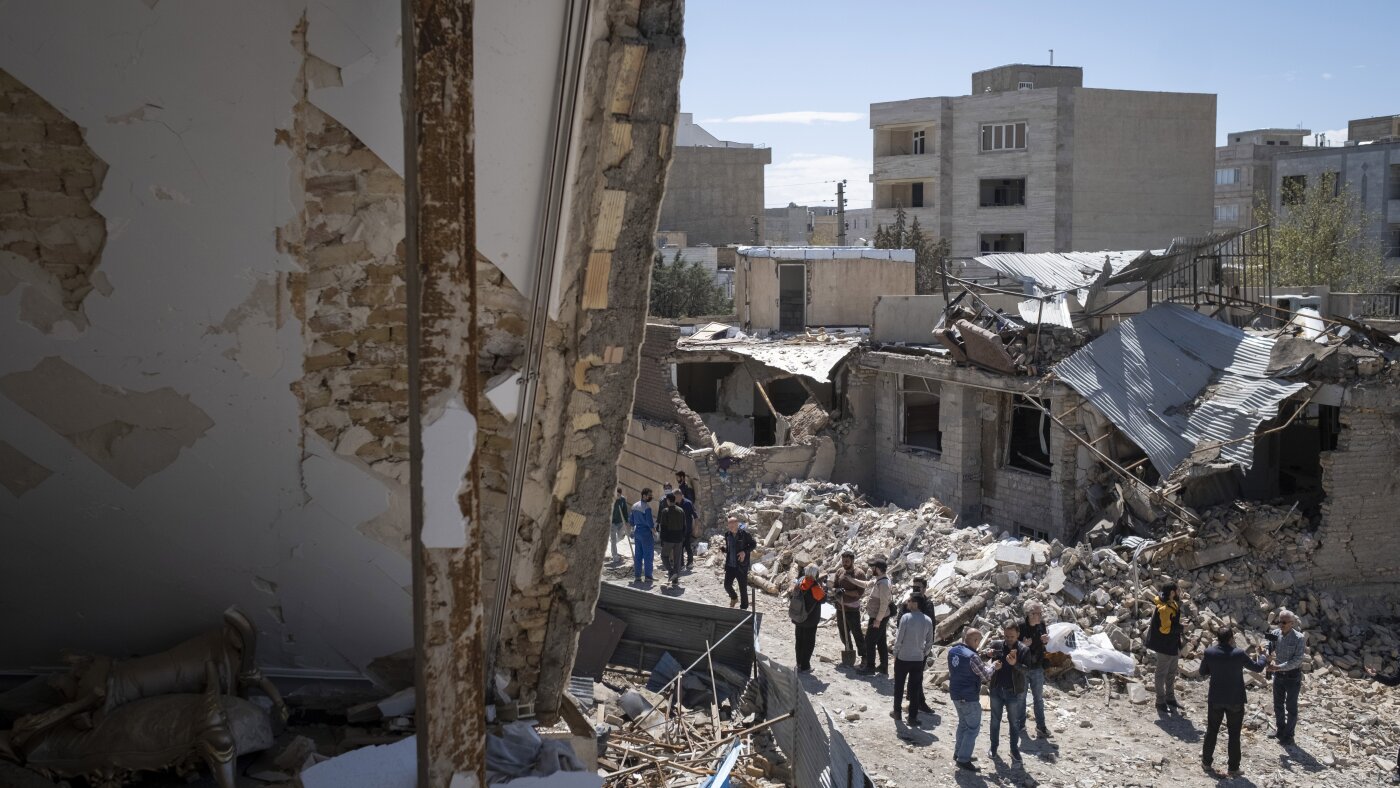
The Middle East conflict, now rounding its fifth tumultuous week, has reached a critical and alarming new juncture. What began as regional skirmishes has escalated dramatically, threatening to draw global powers into a full-scale confrontation. The downing of a U.S. F-15 fighter jet over Iran and a widespread barrage of Iranian missile and drone attacks across the Gulf nations mark a profound shift, signaling an unprecedented intensification of hostilities. NovaPress delves deep into the implications of these developments, analyzing the context and forecasting the potential, perilous future.
The Downing of an American F-15: A Direct Challenge
The incident involving the U.S. F-15 fighter jet is arguably the most significant escalation to date. U.S. officials confirmed that one of its advanced F-15s was downed within Iranian territory, with one crew member rescued and an active search underway for the second. This event thrusts the United States into direct, kinetic conflict with Iran in an undeniable manner, far beyond proxy engagements. The capabilities demonstrated by Iran in successfully neutralizing such a sophisticated American asset raise serious questions about regional air superiority and the efficacy of current defensive measures. For Washington, the downing represents a direct challenge to its military presence and strategic influence in the region, demanding a carefully calibrated response that avoids further spiraling violence while protecting American interests and personnel.
Regional Barrage: Infrastructure, Refineries, and Allies Under Fire
Adding to the gravity of the F-15 incident, Iran has unleashed a coordinated and geographically expansive series of attacks. Reports confirm that Iranian missiles and drones struck targets not only in Israel but also in Saudi Arabia, the United Arab Emirates, and Kuwait. This broad offensive demonstrates Iran’s capability and willingness to project power across multiple fronts, destabilizing a vast swathe of the Middle East. Furthermore, domestic infrastructure was also targeted, with one of the longest bridges linking Tehran to the city of Karaj reportedly destroyed overnight, indicating internal strategic priorities or perhaps a miscalculation in targeting. The assault on Gulf refineries carries significant economic implications, threatening global oil supplies and potentially triggering a surge in energy prices, compounding the geopolitical crisis with economic instability.
Context and Escalation: The War's New Trajectory
These recent events transform the character of the ongoing conflict. What was previously characterized by proxy warfare, limited strikes, and strategic ambiguity has now burst into open, direct confrontation involving state-on-state military action against a U.S. asset and critical infrastructure across multiple nations. The 5-week mark of this conflict now stands as a clear demarcation point, signaling a transition from simmering tensions to an outright, aggressive posture from Tehran. The destruction of the Tehran-Karaj bridge also suggests potential internal strife or a deliberate strategic disruption within Iran, the full implications of which are yet to be understood. This level of escalation puts immense pressure on diplomatic channels, which appear increasingly fragile, and raises the specter of a wider regional war with catastrophic consequences.
Future Implications: A Region on the Razor's Edge
The immediate future hinges on the responses from Washington and its allies. The U.S. cannot afford to appear weak or irresolute after the downing of its aircraft, yet an overly aggressive response risks igniting a broader conflagration. Potential responses could range from retaliatory strikes against Iranian military targets to increased sanctions or a reinforced military presence. However, each option carries significant risks. The global community watches anxiously, aware that the Middle East is a powder keg. The current trajectory points towards further escalation, with implications for international trade, energy security, and regional alliances. The war's fifth week has laid bare the region's vulnerabilities and the dangerous calculus of power that now defines it. The world now holds its breath, waiting to see if diplomacy can reclaim a foothold or if the drums of war will beat even louder.
Conclusion: A Critical Juncture
In summary, the downing of the U.S. F-15 and the widespread Iranian attacks across the Gulf mark a perilous new chapter in the Middle East conflict. The past five weeks have built to this moment of intense escalation, pushing the region closer to a full-scale war than at any point in recent memory. The actions of the coming days and weeks will be decisive, determining whether this volatile region descends into an even deeper abyss of conflict or if a path, however narrow, to de-escalation can still be found. NovaPress will continue to provide in-depth analysis as this critical situation unfolds.