Global Economy on a Knife's Edge: Oil Surges Amid Iran Fears While Asia Holds Its Breath
By NovaPress Editorial Team | Editor-in-Chief's Desk
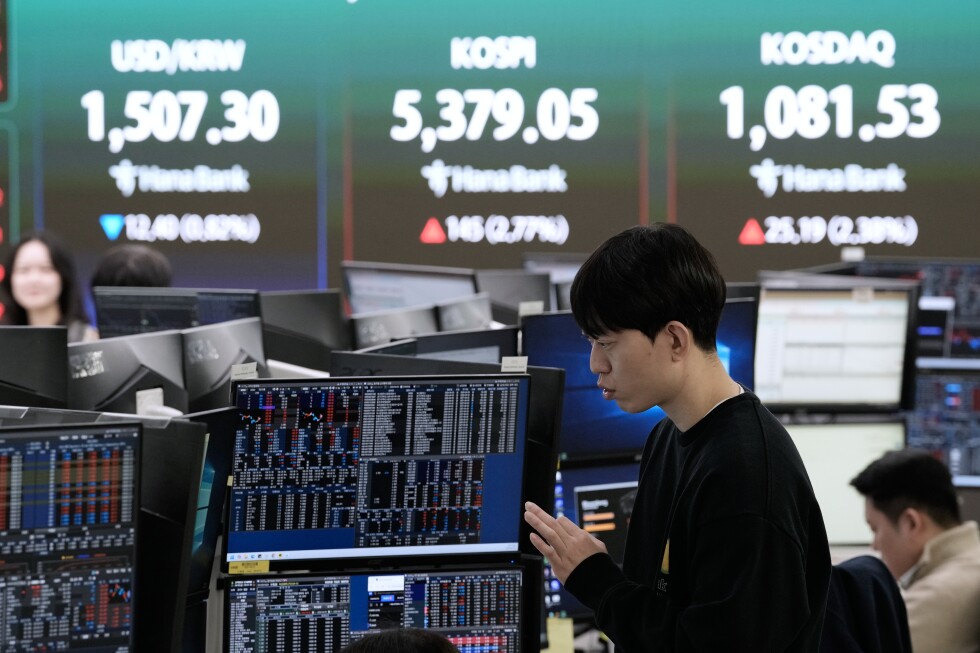
The global economic landscape is once again gripped by a profound tension, as oil prices skyrocket amidst escalating geopolitical anxieties surrounding a prolonged conflict involving Iran. While benchmark U.S. crude soared by a staggering 11.4% to $111.54 a barrel and Brent crude, the international standard, jumped 7.8%, a curious resilience emerged in Asian financial markets, which recorded only moderate gains in what analysts describe as 'cautious trading' on Friday.
This divergence paints a complex picture: a world grappling with the immediate shockwaves of potential energy supply disruptions against the backdrop of regional markets attempting to navigate an increasingly volatile global stage. The immediate takeaway is clear – geopolitical tremors are translating directly into inflationary pressures, yet the broader market reaction suggests a nuanced, perhaps even hesitant, assessment of the long-term fallout.
Geopolitical Undercurrents: The Iran Factor Ignites Crude
The primary catalyst for this dramatic surge in crude prices is the pervasive concern over a prolonged conflict involving Iran. Geopolitical tensions in the Middle East invariably send ripples through global energy markets, given the region's pivotal role in oil production and supply routes. Fears of potential supply disruptions, whether through direct conflict impact on infrastructure or through strategic choke points like the Strait of Hormuz, have triggered a significant risk premium on oil futures. Traders are pricing in not just current events, but the potential for sustained instability that could severely curtail global oil supply, thereby driving up prices in anticipation of scarcity.
The figures speak for themselves: an 11.4% leap for U.S. crude in a single day is a significant move, signaling deep-seated market anxiety. This isn't merely speculative trading; it reflects a genuine re-evaluation of energy supply security in a geopolitical environment that has suddenly become far more precarious. The ripple effect of such a rise will be felt across industries, from transportation and manufacturing to consumer goods, all of which rely heavily on stable and affordable energy.
Asia's Enigmatic Resilience: A Study in Caution and Adaptation
In stark contrast to the oil market's dramatic reaction, most Asian financial markets exhibited a measured and somewhat puzzling composure. While European markets remained closed in some key regions, Asian bourses largely registered moderate gains. This cautious optimism or muted reaction in the face of burgeoning energy costs presents an interesting paradox. Several factors could be at play:
- Flight to Regional Safety: In times of global uncertainty, capital can sometimes flow into perceived safer havens within specific regions, even if the broader outlook is cloudy.
- Diverse Economic Structures: Some Asian economies might possess inherent resilience or less immediate exposure to direct conflict impacts, allowing for a more 'wait-and-see' approach among investors.
- Anticipated Interventions: There could be an underlying expectation of government interventions or strategic energy reserves being deployed to mitigate the worst effects of price spikes.
- Delayed Reaction: Markets often process information in stages. The moderate rise suggests that while investors are certainly aware of the inflationary pressures higher oil prices will bring, they are not yet panicking, possibly seeing value in certain sectors or anticipating a clearer picture of the conflict's duration and impact.
However, 'moderate gains' under such circumstances are still 'cautious trading' for a reason. Investors are likely walking a tightrope, balancing potential upside against the significant downside risks posed by sustained high energy prices.
Global Economic Ripples and Renewed Inflationary Pressures
The implications of such a sharp spike in oil prices are far-reaching and predominantly inflationary. Higher crude costs translate directly into increased expenses for transportation, manufacturing, and virtually every sector reliant on energy. This will inevitably fuel consumer price inflation, eroding purchasing power and potentially slowing economic growth. Central banks, already grappling with persistent inflation in many parts of the world, could face renewed pressure to tighten monetary policy, even at the risk of tipping economies into recession. For energy-importing nations, including many in Asia and Europe, the current scenario represents a significant economic headwind that could derail recovery efforts or exacerbate existing economic vulnerabilities.
The Path Ahead: A Precarious Balance Demands Vigilance
As the world watches the unfolding geopolitical drama, the interplay between energy markets and global finance remains exceptionally delicate. A prolonged Iran conflict would not only sustain, but potentially exacerbate, the current energy crisis, forcing economies worldwide to adapt to persistently high oil prices. The moderate rise in Asian shares, while a testament to market resilience, should not be mistaken for complacency. It likely reflects a careful, wait-and-see approach, with investors keenly monitoring any shifts in the geopolitical calculus and its subsequent economic fallout.
Businesses and consumers alike must brace for continued volatility and the potential for a new era of elevated energy costs, making strategic planning and energy diversification more critical than ever. The coming weeks will be crucial in determining whether the current oil surge is a transient shock or the harbinger of a more enduring shift in global energy and economic paradigms. NovaPress will continue to monitor these developments closely, providing the in-depth analysis you need to navigate these turbulent times.