Geopolitical Tempest: How Trump's Hardline Iran Stance Rattled Markets and Reignited War Fears
By The NovaPress Editorial Board | October 26, 20XX
In a dramatic turn that sent shockwaves through international markets, President Donald Trump's recent address, widely anticipated to signal a de-escalation in the simmering conflict with Iran, instead delivered a defiant message of unwavering resolve. This pivot, interpreted by many as a "doubling down" on a confrontational approach, immediately triggered a shudder across global financial systems and a significant spike in oil prices, reigniting fears of a broader Middle Eastern conflict and its far-reaching consequences.
A Gamble That Failed: Market Expectations Versus Reality
Leading up to Trump’s Wednesday night broadcast, international markets had rallied on the optimistic assumption that the U.S. President would signal a winding down of the escalating tensions with Iran. Investors, weary of the uncertainty gripping the vital Strait of Hormuz waterway and the wider region, had priced in a diplomatic off-ramp. However, the reality proved starkly different. Trump’s rhetoric signaled no such retreat, dashing hopes for a swift resolution and instead cementing a hardline posture that caught many off guard. The immediate market response was visceral: indices dipped, investor confidence wavered, and the commodity essential to global commerce—oil—began its ascent.
The Strait of Hormuz: A Global Chokepoint in Crisis
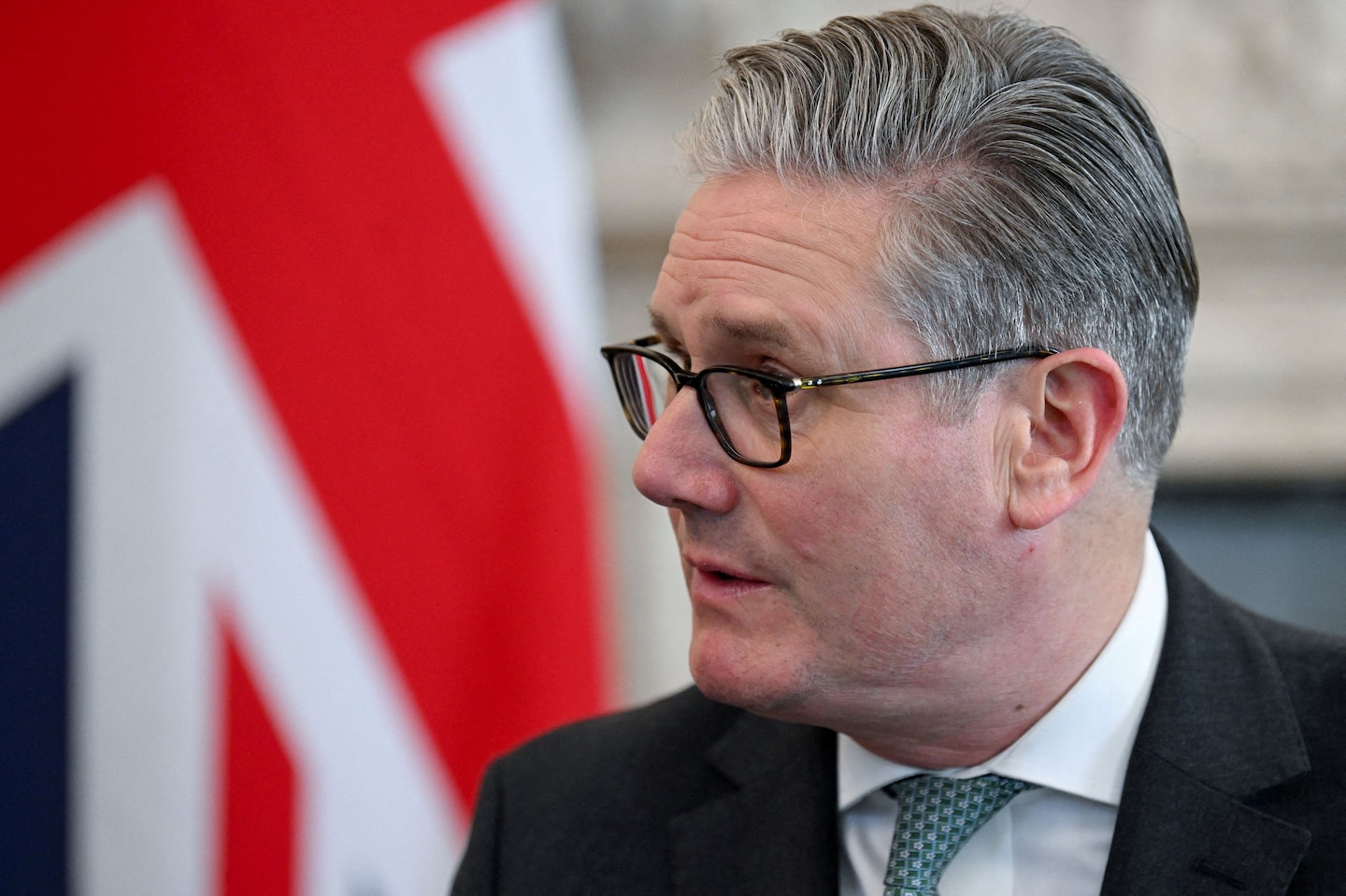
At the heart of the renewed geopolitical friction lies the Strait of Hormuz, the narrow maritime passage through which a significant portion of the world's seaborne oil supply transits daily. Any disruption here has immediate and profound global economic implications. Britain’s Keir Starmer’s initiative to host a crucial meeting of world leaders for talks on the waterway underscores the international community's profound concern. This meeting, held amidst mounting pressure from the Trump administration for allies to join a potential military effort against Iran, highlights the delicate balance between diplomatic engagement and military posturing.
Economic Reverberations: Oil, Inflation, and Uncertainty
The immediate climb in oil prices is more than just a headline; it's a direct threat to global economic stability. Higher crude costs translate into increased fuel prices for consumers and businesses, potentially fanning inflationary pressures worldwide. For energy-importing nations, this surge represents a significant economic burden, threatening to derail fragile recoveries or exacerbate existing downturns. Beyond the direct cost, the overarching uncertainty fostered by the threat of conflict chills investment and dampens consumer spending, creating a vicious cycle of economic apprehension.
Geopolitical Chessboard: Allies Under Pressure
The Trump administration’s "doubling down" strategy puts immense pressure on traditional allies, particularly European nations, to align with Washington's stance. Starmer's meeting, therefore, is not just about securing the waterway but also about navigating the complex demands of an increasingly assertive U.S. foreign policy. European powers, who have often favored a diplomatic approach to Iran, find themselves in a difficult position, balancing their own economic interests and regional stability concerns against the imperative of maintaining strong transatlantic ties. The outcome of these high-stakes discussions will undoubtedly shape the future of international coalitions and the collective response to regional threats.
The Path Forward: Escalation or De-escalation?
With Trump's resolute stance, the region stands at a dangerous crossroads. The potential for miscalculation or unintended escalation looms large. While a full-scale military conflict remains a dire prospect, even sustained heightened tensions and continuous threats to shipping in the Persian Gulf could have devastating consequences for the global economy and regional stability. The onus is now on international diplomacy, spearheaded by efforts like Starmer's, to find a viable path to de-escalation before the geopolitical tempest spirals out of control, dragging global markets and economies further into its unpredictable vortex.