A Six-Minute Leap into History: Artemis II's Pivotal Burn and Humanity's Return to the Moon
NovaPress Exclusive
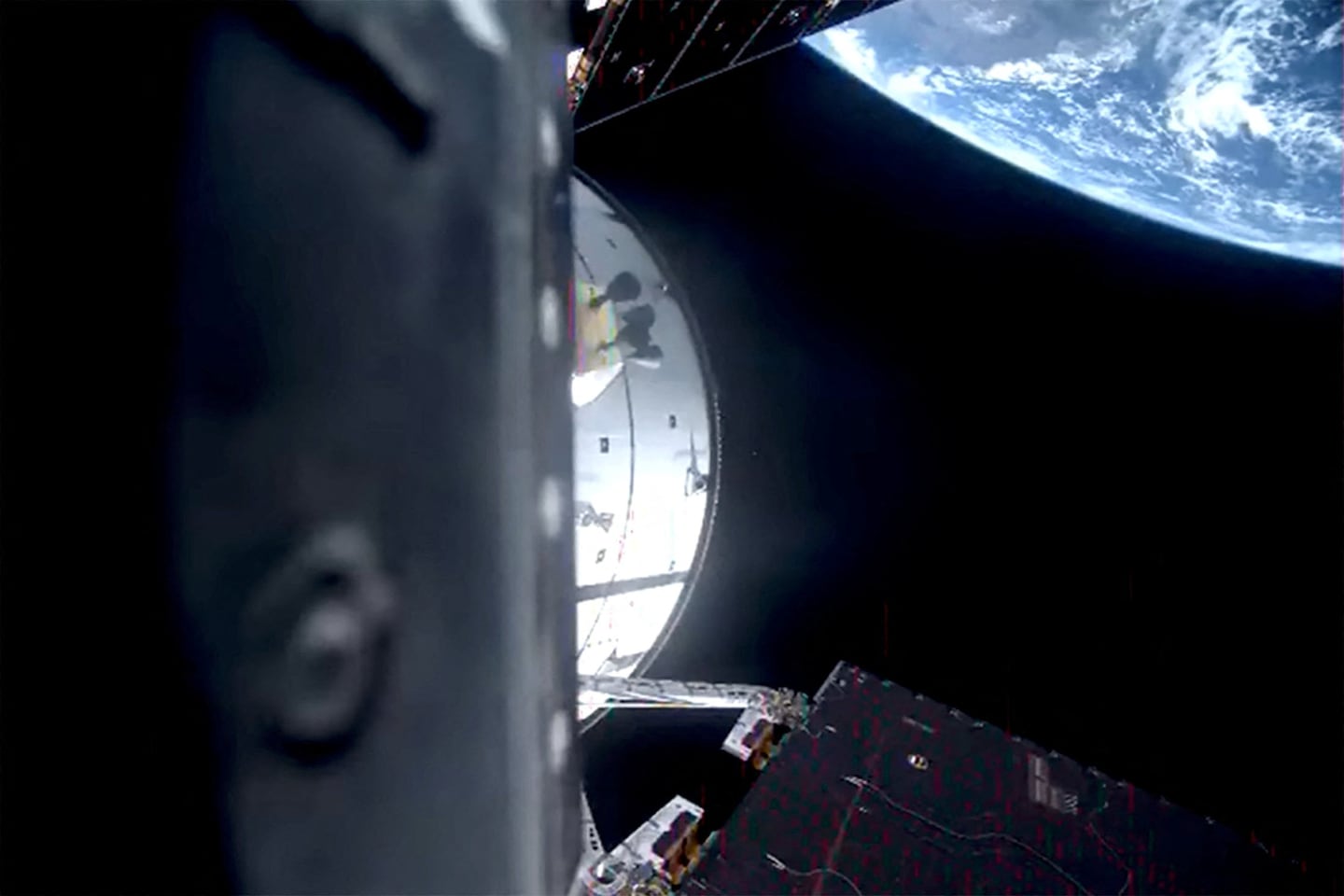
The cosmos held its breath Thursday evening as the Artemis II mission prepared for its critical six-minute engine burn, a maneuver that promises to etch a new chapter in human spaceflight. This pivotal propulsion event will thrust the Orion capsule, carrying its four intrepid astronauts, out of Earth's protective orbit and onto an unprecedented four-day journey toward the Moon. It's a path untraveled by humans for over half a century, laden with both immense promise and inherent risks.
Echoes of Apollo, Visions of Tomorrow
For generations, the Moon has been a silent sentinel, a reminder of humanity's past triumphs and a beacon for future endeavors. The last time humans ventured beyond low Earth orbit and journeyed to our closest celestial neighbor was during the Apollo era. Artemis II represents not just a return, but a profound evolution of our approach to space exploration. This mission is a testament to renewed international collaboration, advanced technological capabilities, and a sustained commitment to pushing the boundaries of human presence in space.
The Orion Capsule: A Modern Ark to the Stars
Central to this audacious journey is the Orion capsule, a marvel of modern engineering designed to withstand the unforgiving vacuum of space and the fiery re-entry into Earth's atmosphere. The six-minute engine burn isn't merely about speed; it's about precision. It's the moment where calculated physics meets the raw power of propulsion, setting the trajectory for a free-return flyby around the Moon. This test flight is crucial, validating Orion's life support systems, navigation capabilities, and heat shield integrity for future, more ambitious lunar landings.
Navigating the Known Unknowns: Risks and Rewards
Space travel, by its very nature, is a high-stakes endeavor. While immense progress has been made in safety protocols and redundant systems, the deep space environment presents unique challenges. Radiation exposure, micrometeoroid impacts, and the sheer unforgiving distance from Earth are constant concerns. The Artemis II crew — Reid Wiseman, Victor Glover, Christina Koch, and Jeremy Hansen — are not just astronauts; they are pioneers, consciously embracing these risks in pursuit of scientific advancement and the expansion of human knowledge. Their journey is a critical proving ground, preparing the way for Artemis III, which aims to land humans on the lunar south pole.
Beyond the Moon: Mars and the Future of Space Exploration
Artemis is more than just a moon shot; it's the foundational step in humanity's grander vision to explore Mars. The experience gained, the technologies developed, and the operational procedures perfected during Artemis missions will be directly applicable to future Martian endeavors. The establishment of the Lunar Gateway, a planned space station in orbit around the Moon, will serve as a staging point for both lunar surface missions and deeper space exploration. This systematic, iterative approach underscores a long-term commitment to not just visit, but to sustainably operate and eventually live beyond Earth.
A New Era Dawns
As the main engine ignited and propelled Orion into the next phase of its journey, it wasn't just a spacecraft moving; it was humanity taking another monumental step. The Artemis program symbolizes our enduring curiosity, our relentless drive to explore, and our collective aspiration to reach for the stars. The six-minute burn for Artemis II is not merely a technical achievement; it's a profound cultural moment, reminding us that the greatest journeys often begin with a single, powerful push into the unknown.