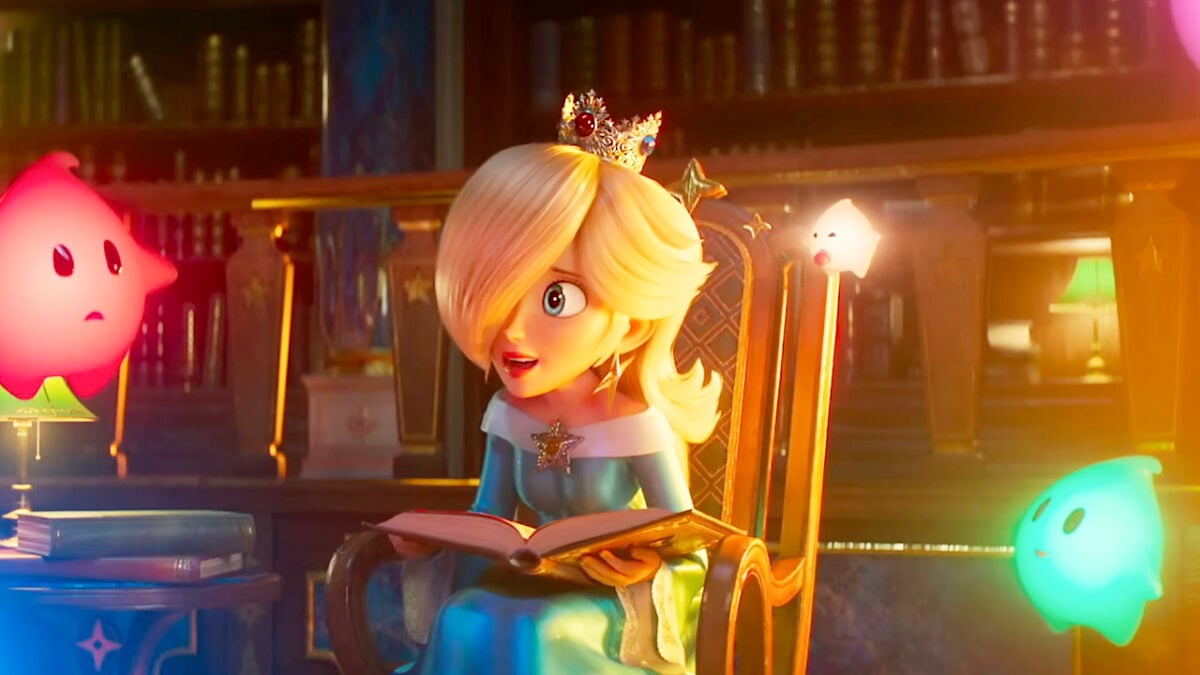
The Curious Case of the Cosmic Cuss: Deconstructing the Luma "F-Bomb" Controversy in the Mario Galaxy Movie
NovaPress investigates how a single, ambiguous soundbite ignited a firestorm of parental outrage and internet debate, questioning the very nature of children's media in the digital age.
Introduction: A Star's Startling Slip?
The Super Mario Galaxy Movie, heralded as a vibrant return for one of gaming's most iconic franchises, was largely expected to be a family-friendly romp through the cosmos. Yet, in a bizarre twist of fate (or perhaps, auditory illusion), one particular moment has ignited a surprisingly potent debate across the internet: did a sweet, innocent Luma, a star-shaped creature beloved by fans, inadvertently utter an expletive?
Parents worldwide, initially delighted by the film, found themselves "clutching their pearls" after reports surfaced of a Luma seemingly dropping an "F-bomb." This perceived linguistic transgression quickly moved from whispered conversations to viral sensation, challenging preconceived notions of what constitutes appropriate content for children's entertainment and sparking a wider discussion on media consumption in the hypersensitive digital era.
The Auditory Ambiguity: What Was Heard vs. What Was Intended
The crux of the controversy lies in a specific, brief vocalization by a Luma character. To some ears, particularly those primed by internet chatter, the sound undeniably mimics a common four-letter expletive. To others, especially those defending the film's family-friendly credentials, it's merely an innocuous sound effect, a playful gurgle, or perhaps a slightly garbled word that sounds similar to the offensive term in passing. This auditory pareidolia – the tendency to perceive familiar patterns in random stimuli – is at the heart of the misunderstanding.
Sound design in animation is a meticulous craft, often involving layers of effects, voice acting, and subtle atmospheric touches. It's plausible that an innocent sound effect, when mixed with music, dialogue, and other ambient noises, could accidentally create a phonetic resemblance to an unintended word. Whether this was an oversight, a cultural nuance lost in translation (given the film's international production), or simply a case of listeners projecting their interpretations, remains a point of heated contention.
Internet's Echo Chamber: Parental Outrage Meets Fandom Defense
The immediate aftermath saw the internet erupt into two distinct camps. On one side, a chorus of concerned parents expressed dismay and betrayal, questioning how such language could slip into a children's movie, especially one from a venerable franchise like Mario. For many, children's media represents a protected space, a sanctuary from adult themes and language, and any perceived breach of this trust is met with swift disapproval.
Conversely, a robust defense emerged from fans and internet commentators who dismissed the controversy as an overreaction. They argued that the film is clearly intended for children, and the supposed "F-bomb" is either imaginary, a harmless misinterpretation, or a non-issue blown out of proportion. This faction often highlighted the irony of adults scrutinizing a split-second soundbite in a movie featuring sentient mushrooms and plumbing heroes, suggesting a disconnect between real-world concerns and animated fantasy.
This dynamic illustrates a broader trend in digital culture: minor incidents, often amplified by social media algorithms and the rapid sharing of snippets, can quickly escalate into full-blown moral panics. The speed at which such controversies spread leaves little room for nuance or calm analysis, instead favoring outrage and immediate judgment.
Broader Implications: Trust, Scrutiny, and the Future of Children's Media
Beyond the immediate Luma incident, this controversy touches upon several significant implications for the entertainment industry and parental roles:
- Heightened Parental Scrutiny: In an age where content is consumed across myriad platforms and devices, parents are increasingly vigilant. Every frame, every soundbite, is subject to intense scrutiny, and perceived transgressions are shared instantly, bypassing traditional gatekeepers.
- The Illusion of Innocence: Iconic children's franchises often carry a heavy burden of expectation. Their long-standing reputations for wholesome content create an implicit trust that, once seemingly broken, can lead to significant backlash.
- The Art of Sound Design: This incident serves as a peculiar case study in audio perception. It highlights the challenge for sound engineers and directors to ensure that every vocalization, intended or not, is universally interpreted as benign, especially when dealing with non-human characters or abstract sounds.
- Navigating Global Audiences: With films released simultaneously across diverse linguistic and cultural landscapes, what might be an innocuous sound in one context could carry unintended connotations elsewhere, further complicating creative choices.
This episode also reignites the perennial debate about "censoriousness" versus safeguarding children. Are parents justified in demanding absolute linguistic purity in G-rated content, or does this stifle creative expression and demonstrate an overprotective stance in a world where children are exposed to far worse?
Conclusion: A Microcosm of Modern Media
The alleged Luma "F-bomb" in the Super Mario Galaxy Movie, whether intentional mishap or mass auditory illusion, is more than just a fleeting internet kerfuffle. It's a vivid microcosm of modern media consumption: a world where beloved brands operate under intense public scrutiny, where a single ambiguous sound can trigger widespread debate, and where the lines between genuine concern and internet sensationalism often blur.
As content creators navigate this landscape, the incident serves as a potent reminder of the power of audience perception and the ever-present challenge of crafting universally acceptable entertainment. For parents, it underscores the ongoing need for discernment in an age of abundant media. And for the Luma, it's perhaps a lesson that even the cutest star-child can accidentally find itself at the center of an astronomical controversy.