Beyond the Countdown: 5 Unseen Narratives and Future Horizons of NASA's Artemis 2 Launch
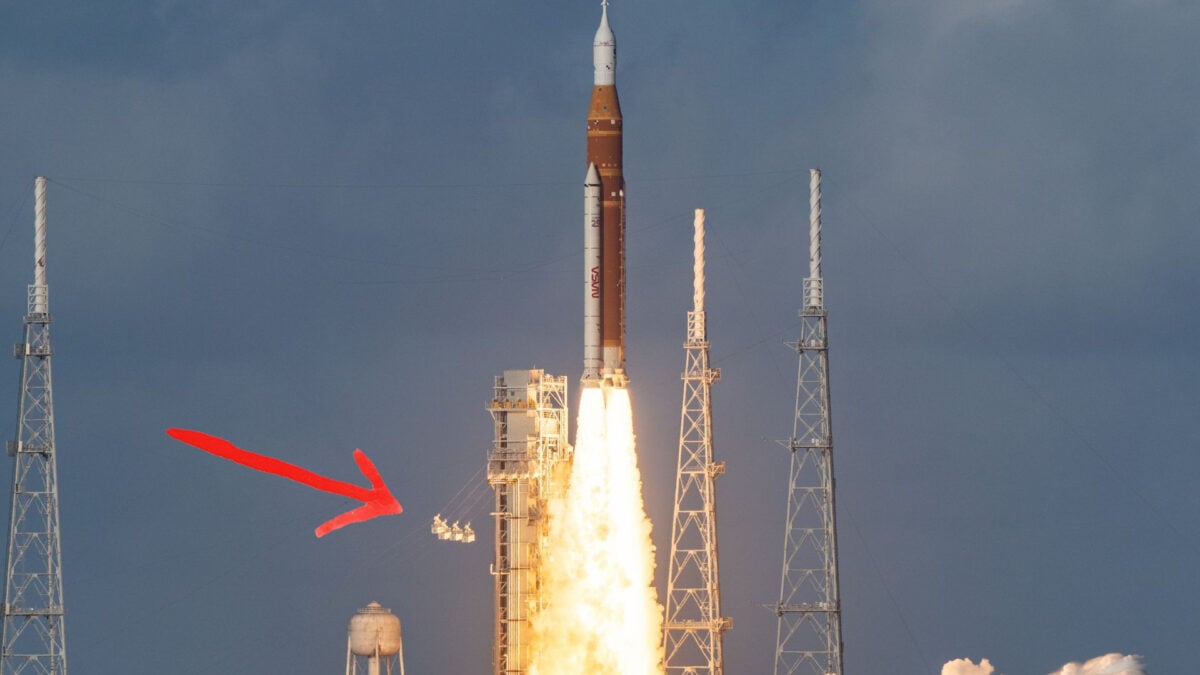
The launch of NASA's Artemis 2 mission yesterday was more than just a spectacle; it was a thunderous declaration of humanity's renewed ambition to return to the Moon. For those of us who weren't alive to witness the Apollo era, seeing four intrepid astronauts blast off on this long-awaited journey was nothing short of awe-inspiring. Yet, amidst the raw power of the Space Launch System and the sleek ascent of the Orion capsule, many subtle yet profound details, critical for understanding the mission's true scope and future implications, might have gone unnoticed. NovaPress delves deeper, dissecting the finer points of this historic launch and what they truly signify for the next chapter of lunar exploration and beyond.
1. The Subtle Art of the Mission Patch: A Tapestry of Symbolism
Far from being a mere decorative emblem, the Artemis 2 mission patch is a masterclass in condensed storytelling. Observe closely, and you'll find the four stars representing the intrepid crew, their trajectory subtly arcing around the Moon to hint at their circumlunar journey. Delve deeper, and you might even spot faint outlines or stylistic nods to previous lunar missions, weaving a rich tapestry of heritage and forward momentum. This patch is more than just a symbol; it's a visual contract, embodying the spirit of collaboration, the heritage of spaceflight, and the specific, crucial objectives of this human test flight.
Such potent symbolism fosters crew identity, ignites public imagination, and solidifies the mission's place within the grander narrative of the Artemis program, which is meticulously charting a course for sustained human presence on the Moon. Every line and color on that patch speaks volumes about where we've been and where we're going.
2. Orion's Unsung Life Support Symphony: Enabling Deep Space Endurance
While the roaring engines and visible propulsion systems captured much of the attention, the quiet hum of Orion's Environmental Control and Life Support System (ECLSS) is arguably the mission's silent, indispensable hero. This intricate network – responsible for oxygen generation, carbon dioxide scrubbing, and vital water reclamation – ensures survivability for days in the harsh vacuum of deep space. It's a complex, self-sustaining ecosystem within a metallic shell, meticulously engineered to keep its human occupants alive and healthy.
Artemis 2 serves as a critical proving ground for these systems in a true deep-space environment, a stark contrast to the relatively short-duration stays of the Apollo missions. Testing the ECLSS under real conditions, with human occupants providing invaluable biological feedback, provides data that is essential for validating future, longer-duration missions, including the audacious leap towards Mars. The success of Orion's ECLSS directly dictates the feasibility of the Lunar Gateway as a sustained habitat and ultimately, humanity's enduring presence beyond Earth orbit.
3. The Ground Crew's Synchronized Ballet: The Human Element of Unseen Coordination
Beyond the iconic images of Mission Control, the launch day of Artemis 2 involved thousands of dedicated ground personnel spread across multiple sites. Their roles ranged from meticulous checks and precise fueling sequences to swift, last-minute adjustments. This profound, yet often unseen, coordination is a meticulously choreographed sequence, a testament to sheer human effort and expertise that often goes unheralded amidst the spectacle of a rocket launch.
This highlights the profound human element still integral to spaceflight. Even with advanced automation and AI, the expertise, vigilance, and seamless collaboration of the ground crew are utterly indispensable. Their uncanny ability to anticipate and adapt to real-time anomalies is the bedrock of mission safety, operational resilience, and ultimate success. The scale and complexity of these human operations underscore the perpetual need for continuous training, robust communication protocols, and a culture of relentless pursuit of perfection – all crucial as missions trend towards greater autonomy while still requiring human oversight and intervention.
4. The Unseen Data Deluge: A Digital Twin in Real-Time
As Artemis 2 majestically ascended into the heavens, it was simultaneously transmitting a torrent of telemetry data back to Earth. Thousands of sensors onboard fed constant streams of information, effectively creating a "digital twin" of the spacecraft and its environment in real-time. Every temperature fluctuation, every pressure change, every vibration was logged and analyzed with staggering speed and precision.
This constant, immense data flow allows engineers to monitor every system parameter, predict potential issues before they manifest, and continually optimize performance throughout the mission. It stands as a powerful testament to modern telemetry and data analytics capabilities, far surpassing anything available during the Apollo era. This rich dataset is critical not only for validating engineering models but also for preparing for future, progressively riskier endeavors. The sophisticated data infrastructure supporting Artemis 2 is foundational for developing more resilient, self-diagnosing spacecraft and for deeply understanding the nuances of deep space flight, which will directly inform future spacecraft designs and operational strategies for missions to the Red Planet.
5. The Global Ripple Effect: A New Era of International Collaboration
While NASA spearheads the Artemis program, it is fundamentally a global endeavor. The European Service Module (ESM), built by ESA, is a vital component of the Orion spacecraft. A Canadian astronaut is part of the Artemis 2 crew, and numerous other nations are slated to contribute to the Lunar Gateway and future lunar surface activities. The launch, therefore, represents a powerful convergence of international ambition and shared scientific goals.
This launch is not solely an American achievement; it's a profound symbol of renewed global cooperation in space exploration. The seamless integration of international components, personnel, and expertise signifies a collective commitment to lunar exploration, effectively distributing both the immense technical expertise and financial burdens while fostering peaceful collaboration on an unprecedented scale. The success of Artemis 2 solidifies and reinforces this model of international partnership as the undeniable future of large-scale space exploration, setting a precedent for even grander projects like sustained lunar bases and eventual human missions to Mars, which will almost certainly be multinational in scope and execution.
Conclusion: Gazing Beyond the Horizon
Artemis 2's launch was undoubtedly a monumental step, but its true narrative resides in the deeper layers that often escape immediate notice. It's etched into the intricate symbolism of a mission patch, the silent, life-sustaining efficiency of its systems, the synchronized genius of countless ground crews, the unseen symphony of data flowing through the cosmos, and the quiet yet powerful bond of international partnership. As humanity once again gazes back at the Moon, not merely as a distant object but as a vital stepping stone, these "missed details" illuminate the profound groundwork being laid for a future where space is not just visited, but truly inhabited. The journey has just begun, and the implications for our species are as vast and boundless as the cosmos itself.