Mideast Tensions Explode: Trump's 'Weeks' Warning & Hormuz Uncertainty Trigger Global Economic Jitters
The geopolitical landscape of the Middle East is once again teetering on the brink, sending ripple effects across global markets. As Israel's military ramps up strikes against Iranian-backed Hezbollah targets, a stark warning from President Trump that the conflict with Iran could stretch for "two to three more weeks," coupled with a concerning lack of a plan to secure the crucial Strait of Hormuz, has fueled widespread investor anxiety and sent oil prices surging.
Escalation on the Ground: Israel Targets Hezbollah
The immediate catalyst for renewed alarm stems from Israel's intensified military operations. The Israeli military confirmed Thursday it had targeted "dozens of headquarters, weapons storage facilities, launch sites, and anti-tank missile positions" belonging to Hezbollah, the powerful Iranian-backed Shiite militant group operating from Lebanon and Syria. These strikes underscore the volatile proxy war unfolding, with Iran leveraging groups like Hezbollah to project influence and challenge regional adversaries, primarily Israel and its allies.
Such direct engagements between Israel and Hezbollah, particularly when tied to broader Iranian tensions, always carry the risk of significant escalation. Each strike, each retaliatory threat, tightens the coiled spring of regional conflict, pushing the boundaries of what might trigger a wider, direct confrontation.
Trump's Timeline and the Hormuz Headache
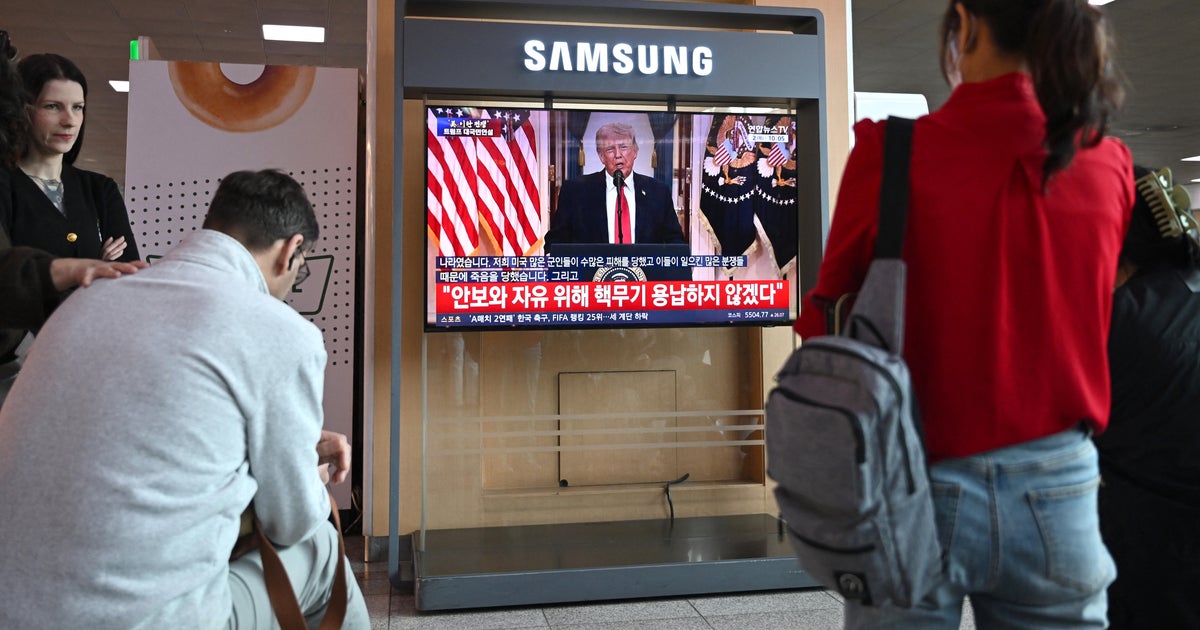
President Trump's assessment that a potential war with Iran would "still take weeks" came as a sobering revelation to markets already on edge. While perhaps intended to manage expectations, the accompanying admission that there was no immediate plan to reopen the Strait of Hormuz, should it be disrupted, was "far less than" what investors had hoped for, according to one market analyst. This statement alone ignited a fresh wave of selling in equities and buying in safe-haven assets, particularly crude oil.
The Lifeline of Global Oil: Strait of Hormuz
The Strait of Hormuz is not merely a shipping lane; it is the world's most important oil transit chokepoint. Situated between Iran and Oman, it is the sole sea passage from the Persian Gulf to the open ocean, through which roughly one-fifth of the world's total petroleum liquids consumption, or about 21 million barrels per day, flowed in 2018. Any significant disruption or closure of the Strait would have catastrophic implications for global energy markets, driving prices to unprecedented highs and potentially plunging the world into an energy crisis.
The absence of a clear strategy to ensure its continued operation during an escalating conflict signals a critical vulnerability that global economies cannot afford to ignore. Investors are reacting to this uncertainty, pricing in higher risk premiums and pushing crude futures upward.
Economic Fallout and Future Implications
The combination of active military engagement, a prolonged conflict timeline, and the Hormuz uncertainty paints a grim picture for global economic stability. Higher oil prices translate directly into increased costs for transportation, manufacturing, and consumer goods, threatening to fuel inflation and dampen economic growth worldwide. Businesses face elevated operational costs, while consumers could see a significant dent in their purchasing power.
Geopolitical Chessboard: Risks of Wider Conflict
Beyond economics, the specter of a broader regional war looms large. A prolonged conflict involving Iran could draw in other regional and international powers, creating a cascading effect of instability. U.S. foreign policy in the Middle East would face an unprecedented test, forcing difficult choices regarding military intervention, diplomatic engagement, and the protection of global trade routes. The impact on global supply chains, international relations, and humanitarian crises would be immense.
Conclusion: A Region on the Brink, a World Holding its Breath
As Israel continues its strikes and President Trump issues his sobering timeline, the Middle East remains a powder keg. The intertwined threads of military action, economic vulnerability, and geopolitical maneuvering are creating a high-stakes scenario with profound implications. The world watches, hoping for de-escalation, but preparing for the potential fallout of a conflict that could reshape global economics and international relations for years to come.