Fueling Desperation: How Global Conflict Ignites Violence Across Asia
The ripple effect of distant wars is manifesting in a brutal, immediate reality on the streets of South Asia, as fuel shortages spark a deadly struggle for survival.
A Growing Crisis: When Fuel Becomes a Weapon
The U.S.-Israeli conflict with Iran, a geopolitical maelstrom thousands of miles away, is now directly contributing to an escalating humanitarian and security crisis across large swathes of Asia. Fuel, the lifeblood of modern economies and daily life, has become a scarce commodity, its absence igniting a dangerous cocktail of panic, desperation, and violence from Bangladesh to India and Pakistan.
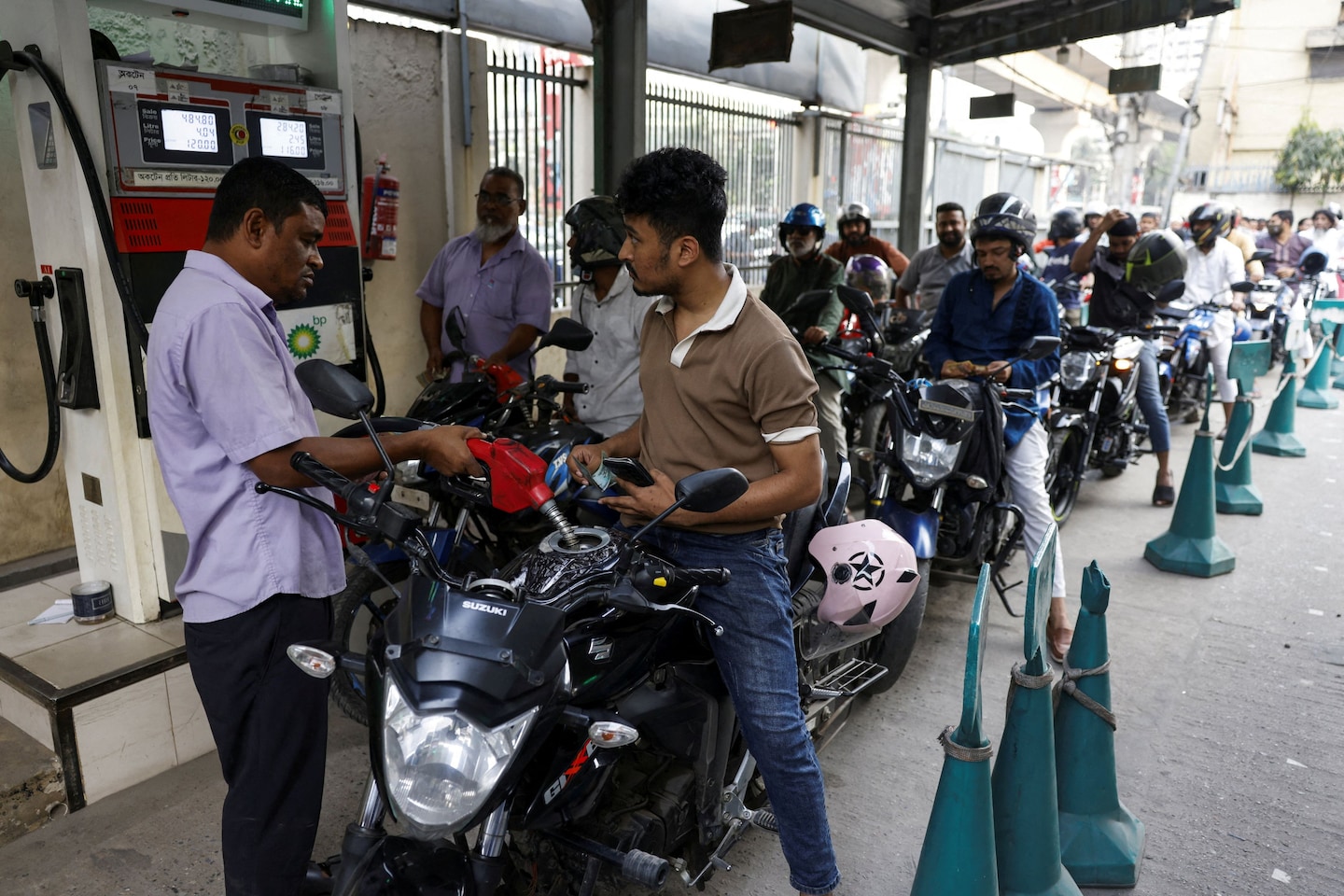
Reports from the ground paint a grim picture: gas stations transformed into battlegrounds, their workers vulnerable targets in a desperate fight for dwindling resources. In Bangladesh, Pakistan, and India, stories of station attendants being killed over shortages and exorbitant prices are tragically becoming commonplace. This isn't just about economic hardship; it's about the erosion of social order and the fundamental right to safety when basic necessities become unaffordable and unavailable.
The Anatomy of Desperation: Illegal Syndicates and Daily Peril
The void left by legitimate supply chains is swiftly filled by illicit networks. In Bangladesh, the emergence of illegal syndicates dedicated to siphoning and selling stolen fuel at exorbitant rates underscores the depth of the crisis. These operations not only exacerbate the shortages for law-abiding citizens but also introduce a volatile criminal element into already fragile communities. The theft of gas is no longer a petty crime; it's a high-stakes endeavor driving a black market fueled by desperation and protected by force.
For ordinary citizens, the impact is devastating. Public transportation grinds to a halt, food prices skyrocket as distribution networks falter, and the ability to commute for work or access essential services becomes a daily gamble. The immediate economic consequences are severe, pushing millions further into poverty, while the long-term societal damage — a breakdown of trust, an increase in crime, and pervasive fear — is even more insidious.
Future Implications: A Continent on the Brink?
The Washington Post aptly warns that unrest is set to worsen the longer the war lasts. This isn't merely a prediction; it's a stark reality check on the interconnectedness of global events. A prolonged conflict in the Middle East will inevitably tighten the chokehold on global energy supplies, sending prices spiraling further and pushing Asian nations, many already grappling with economic fragilities, to the brink.
The escalating violence could destabilize entire regions, fostering an environment ripe for extremism and further humanitarian crises. Governments face immense pressure to address these shortages, but with global supply constraints and an unpredictable geopolitical landscape, their options are severely limited. The unfolding scenario in Asia serves as a chilling testament to how distant conflicts can trigger a cascade of localized tragedies, turning fuel into a catalyst for widespread instability and human suffering.