Artemis II: Charting Humanity's Next Frontier Beyond Lunar Orbit
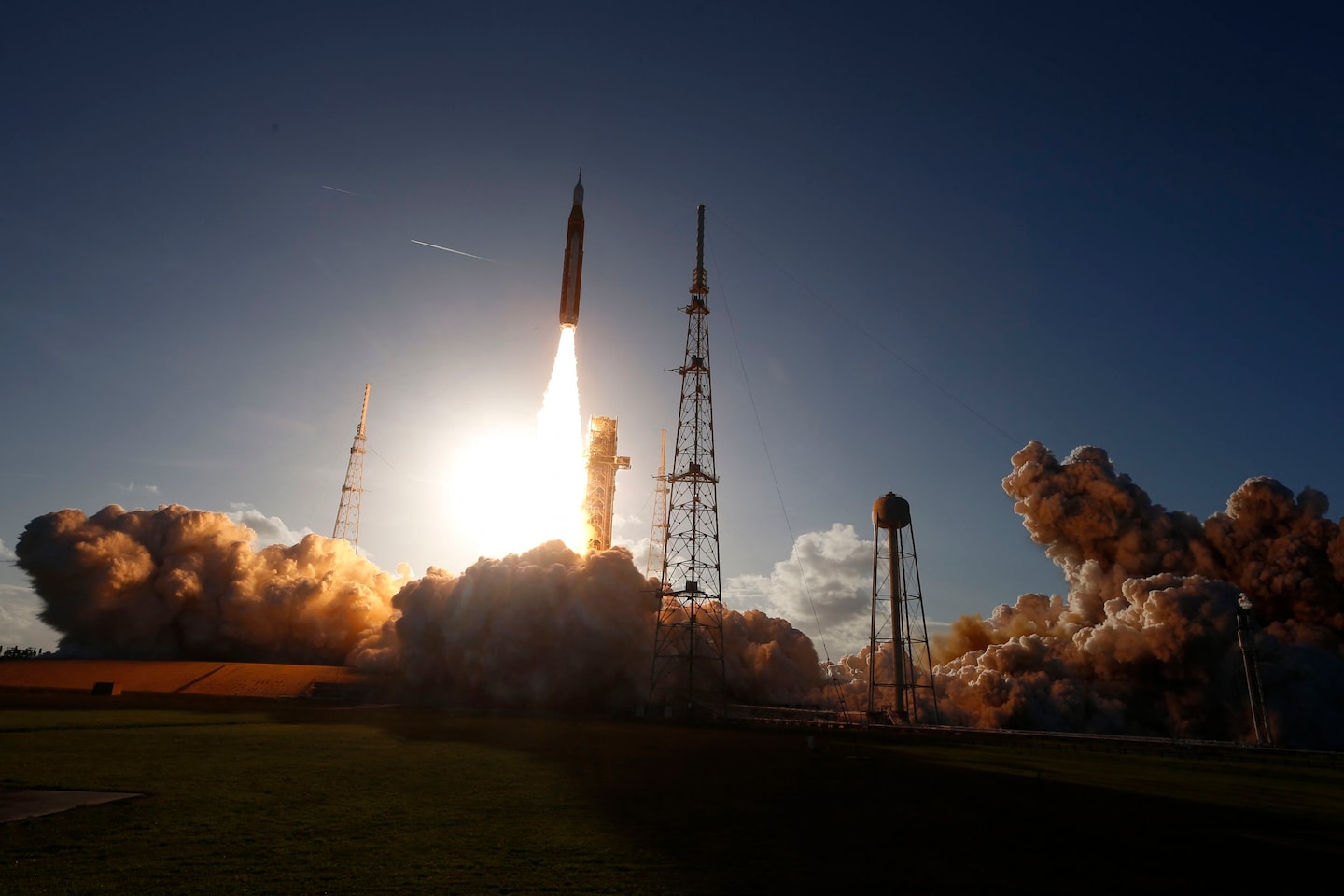
Before the sun dipped below the horizon on Wednesday, a historic journey began. Four intrepid astronauts, aboard the Orion spacecraft, lifted off on NASA’s Artemis II mission, embarking on a daring 10-day expedition that promises to redefine humanity's reach into the cosmos. This isn't just another space flight; it's a critical precursor to returning humans to the lunar surface and a pivotal step toward our ultimate destination: Mars.
The Artemis II mission is designed to propel humans farther into space than they have ever gone before. The crew, comprising NASA astronauts Reid Wiseman, Victor Glover, Christina Koch, and Canadian Space Agency astronaut Jeremy Hansen, will not land on the Moon. Instead, their ambitious itinerary involves a complex flyby, looping around our celestial neighbor before returning to Earth. This maneuver is not merely symbolic; it’s a rigorous test of the Orion capsule's life support systems, navigation, communications, and heat shield capabilities under deep-space conditions that humans haven't experienced in over half a century.
A Leap from the Apollo Era
The last time humans ventured to the vicinity of the Moon was during the Apollo program, a feat that concluded with Apollo 17 in 1972. For decades, human spaceflight remained largely confined to low-Earth orbit. Artemis II shatters this paradigm, bridging a generational gap in deep-space exploration. Unlike Apollo's 'flags and footsteps' approach, the Artemis program aims for sustainable presence, establishing a permanent base on the Moon and orbiting gateway station (Lunar Gateway) as a staging point for future missions.
The 'risky, technically challenging' nature of this mission cannot be overstated. Sending humans hundreds of thousands of miles from Earth exposes them to radiation, extreme temperatures, and the psychological rigors of extended deep-space travel. Every system on the Space Launch System (SLS) rocket, the most powerful rocket ever built, and the Orion capsule must perform flawlessly. The data collected from this 10-day trek will be instrumental in validating the technologies and procedures necessary for Artemis III, which will finally put boots on the lunar south pole.
Implications for Humanity's Future in Space
Artemis II is more than just a test flight; it's a foundational element for humanity's multi-planetary future. By proving the capability to sustain human life beyond Earth's protective magnetosphere, this mission directly paves the way for:
- Lunar Landings and Settlements: The data from Artemis II will ensure the safety of astronauts returning to the Moon, allowing for the establishment of a long-term human presence.
- Mars Missions: The technologies and operational experience gained are directly transferable to the monumental task of sending humans to Mars, a journey far longer and more challenging than any lunar mission.
- International Collaboration: Artemis is a multinational endeavor, fostering unprecedented collaboration between space agencies and reinforcing global partnerships in scientific exploration.
- Commercial Opportunities: The program is also opening doors for private industry, ushering in a new era of space commerce and innovation.
As the Artemis II crew circles the Moon, they carry with them the hopes and dreams of billions. Their journey is a testament to human ingenuity, courage, and the insatiable desire to explore the unknown. It is a powerful reminder that while the challenges of deep-space travel are immense, the rewards – scientific discovery, technological advancement, and the inspiration of a species reaching for the stars – are immeasurable. We are witnessing not just a mission to the Moon, but the very first steps towards a new chapter in human civilization, one written among the stars.