April's Market Surge: Is Middle East De-escalation Fueling a New Bull Run?
The financial markets kicked off April with a potent burst of optimism, as major indices recorded significant gains and oil prices saw a notable decline. This decisive shift in sentiment is largely attributed to growing hopes that the protracted U.S.-Iran conflict might finally be nearing an end, signaling a potential easing of geopolitical tensions that have long cast a shadow over global stability and trade.
The Market's Optimistic Leap
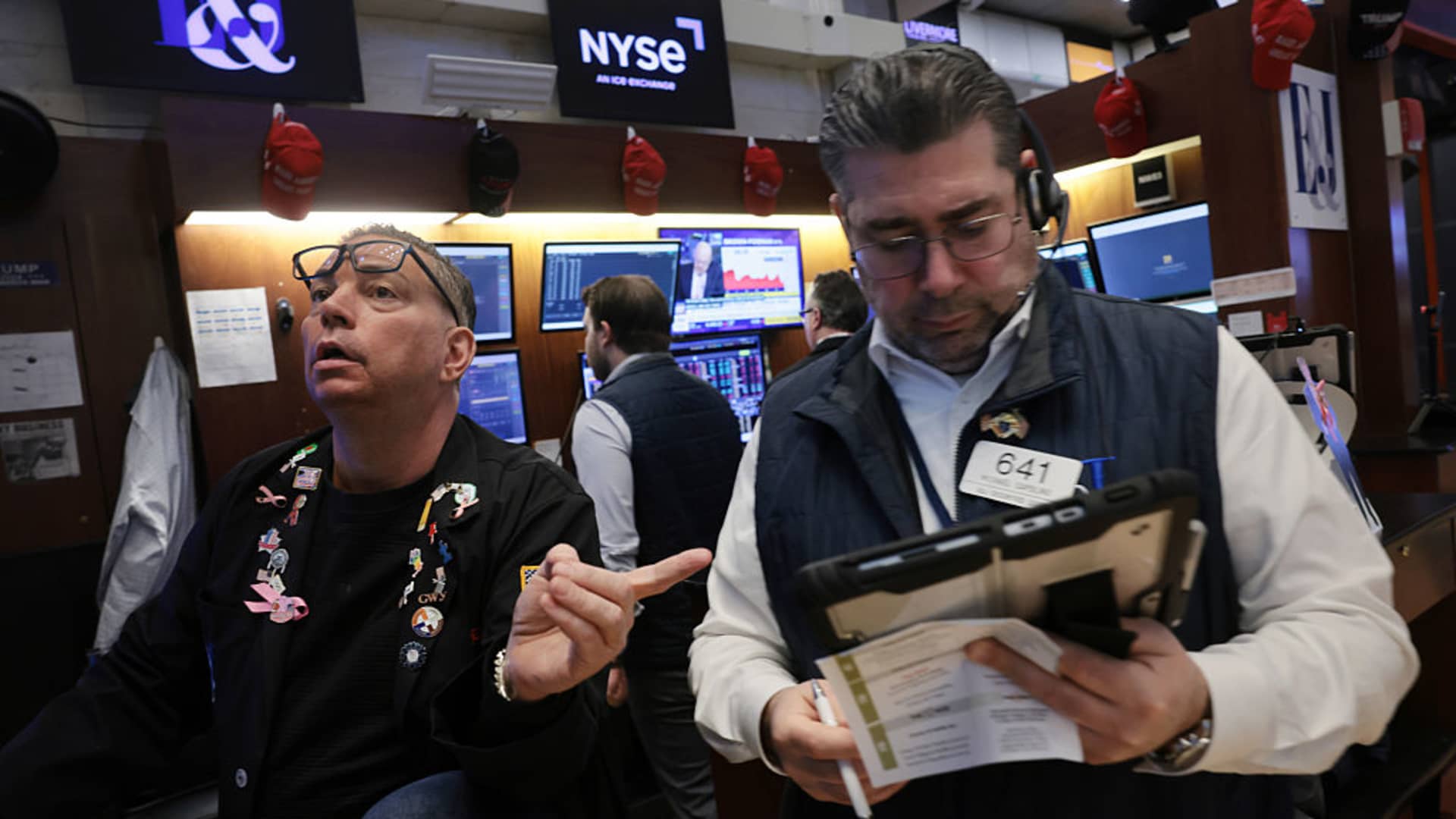
Wednesday saw the Dow Jones Industrial Average jump by 200 points, a clear indicator of invigorated investor confidence. Even more striking, the S&P 500, a key barometer for the broader market, advanced by 0.72% to close at an impressive 6,575.32. This rally reflects a collective sigh of relief among traders, who are keenly responsive to any signals of de-escalation in regions critical to global energy supply and economic pathways.
Geopolitics and Global Markets: A Deep Dive
The intricate dance between international relations and financial markets is once again on full display. Historically, geopolitical instability, particularly in resource-rich regions like the Middle East, tends to introduce substantial risk premiums into asset prices. Prolonged conflicts disrupt supply chains, elevate energy costs, and erode investor confidence, pushing capital towards safer, less volatile havens.
The prospect of an end to the U.S.-Iran conflict, as hinted by recent developments, is perceived as a significant reduction in this risk. A peaceful resolution could unlock new trade opportunities, stabilize oil production, and foster an environment more conducive to global economic growth. This perceived stability is the bedrock upon which the current market rally is built.
Oil Prices: A Barometer of Stability
The decline in oil prices observed this month serves as a direct reflection of this optimistic outlook. Crude oil markets are exquisitely sensitive to geopolitical shifts, especially those affecting major producing nations. When tensions run high, supply concerns drive prices upwards; conversely, signs of peace tend to bring them down as fears of disruption recede and the likelihood of stable, abundant supply increases.
Lower oil prices have a cascading positive effect on the global economy: they reduce input costs for businesses, ease inflationary pressures, and leave more disposable income in consumers' pockets, potentially spurring economic activity across various sectors. For central banks grappling with inflation, this development could offer much-needed breathing room.
What Lies Ahead? Future Implications and Risks
While the market's reaction is undeniably positive, the sustainability of this rally hinges on the concrete progress towards de-escalation. The financial world remains highly alert to the nuances of diplomatic efforts and the realities on the ground. Any misstep or resurgence of conflict could swiftly reverse these gains, reminding investors of the inherent volatility in geopolitical risk.
Should these hopes for peace solidify, we could witness a sustained period of market growth, particularly benefiting sectors sensitive to energy costs and global trade. However, analysts caution that optimism, while powerful, must be tempered with realism. The path to lasting peace is often fraught with challenges, and market participants will be keenly watching for tangible evidence of resolution rather than merely hopeful rhetoric.
Conclusion: Cautious Optimism Guides the Way
As April begins, the markets are sending a clear message: peace pays. The significant gains in stock indices and the concurrent drop in oil prices underscore the profound impact that geopolitical stability has on global economic health. While the current rally is driven by the promising whispers of an end to conflict, investors and policymakers alike will remain vigilant, understanding that the journey from hope to certainty is often long and unpredictable. For now, the global economy breathes a collective sigh of cautious optimism, eagerly anticipating the dawn of a more stable era.