The Fed's Dilemma: Watching $4 Gas Prices While Geopolitical Conflict Limits Policy Options
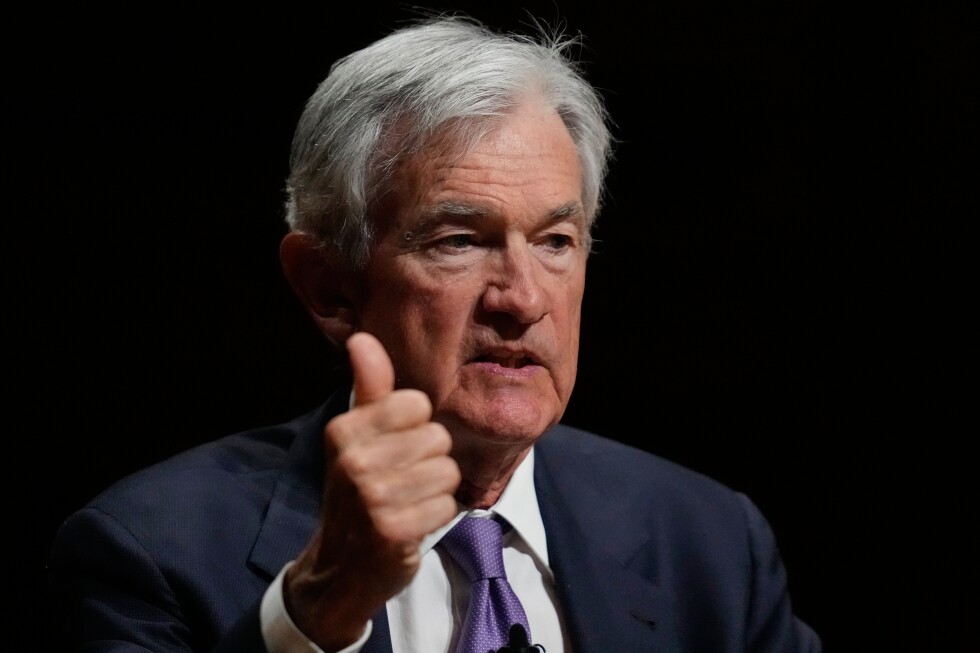
CAMBRIDGE, Mass. – As U.S. gasoline prices inch closer to the alarming $4 a gallon mark, propelled by global energy market volatility and the escalating Iran war, Federal Reserve Chair Jerome Powell has put the nation on notice. Speaking recently, Powell underscored the critical importance of closely monitoring inflation in this climate. Yet, his remarks carried a potent caveat: the central bank's ability to directly counteract these specific supply-side shocks is inherently limited, casting a long shadow over the nation's economic outlook.
Geopolitical Tensions Ignite Inflationary Fires
The current spike in energy prices is not merely a cyclical market fluctuation; it is deeply rooted in geopolitical instability. The ongoing conflict in Iran, a major player in global oil production and transit, has injected profound uncertainty into crude oil markets. Any threat to supply or shipping lanes in the Middle East can send immediate tremors through international benchmarks like Brent and WTI, translating directly to higher costs at the pump for American consumers and businesses alike. Energy, as a foundational input for almost every economic activity, has a pervasive impact. Rising fuel costs escalate transportation expenses for goods, drive up manufacturing costs, and can even influence utility bills, ultimately feeding into broader inflationary pressures across the economy.
Monetary Policy's Confines: A Supply-Side Challenge
Powell's acknowledgment of the Fed's limited capacity in this scenario is a crucial insight into the tools of monetary policy. The Federal Reserve primarily combats inflation by adjusting interest rates – a demand-side lever. By making borrowing more expensive, the Fed aims to cool aggregate demand in the economy, thereby reducing pressure on prices. However, when inflation is primarily driven by a sudden, external reduction in supply (like oil due to war), raising interest rates does not magically increase oil production or resolve geopolitical standoffs. Instead, an overly aggressive monetary response to a supply shock risks stifling economic growth, potentially pushing the economy into a recession without effectively addressing the root cause of the inflation.
This creates a delicate tightrope walk for the central bank. On one hand, persistent high energy prices can anchor inflationary expectations, leading workers to demand higher wages and businesses to raise prices further, creating a self-reinforcing spiral. On the other hand, attempting to crush this supply-driven inflation with demand-side tools could lead to a 'hard landing' for the economy, where employment suffers severely. The Fed is left watching, monitoring, and trying to gauge how much of the energy price spike will filter into core inflation (which excludes volatile food and energy components) and whether it will become embedded in the broader economy.
Implications for Consumers and Economic Policy
For the average American, the approaching $4 gasoline threshold is more than just an inconvenience; it's a significant drain on household budgets. Higher fuel costs eat into discretionary spending, leaving less for other goods and services, which can slow overall economic activity. Businesses face increased operational costs, potentially leading to higher consumer prices for various products, reduced investment, or even layoffs. The challenge for policymakers extends beyond the Fed.
While the Fed monitors, other policy avenues are less clear. Diplomacy regarding the Iran war, strategic petroleum reserve releases, or even domestic energy policy could play a role, but these are outside the Fed's purview. The current environment underscores the interconnectedness of global politics, energy markets, and domestic economic stability, revealing the limitations of even the most powerful central banks when faced with truly external shocks.
Navigating an Uncertain Future
The coming months will test the Fed's resolve and analytical prowess. How persistent will the energy price spikes be? Will they abate as geopolitical tensions ease, or are we entering a prolonged period of elevated energy costs? The answers to these questions will heavily influence the path of inflation, interest rates, and overall economic growth. Powell's cautious statements signal that while the Fed remains vigilant in its inflation fight, the battle against certain types of inflationary pressure requires more than just monetary policy – it demands a stable geopolitical landscape, which is currently in short supply.