The Cost of Silence: Air Canada CEO's Retirement After Language Controversy
In a move that underscores the intricate dance of corporate responsibility and cultural sensitivity, Air Canada CEO Michael Rousseau has announced his retirement. The decision, effective later this year, follows a torrent of criticism over an English-only condolence message delivered after a deadly plane crash. This incident, seemingly a linguistic misstep, rapidly escalated into a national debate, highlighting the profound implications of communication in a multilingual nation.
A Crisis of Communication: The LaGuardia Aftermath
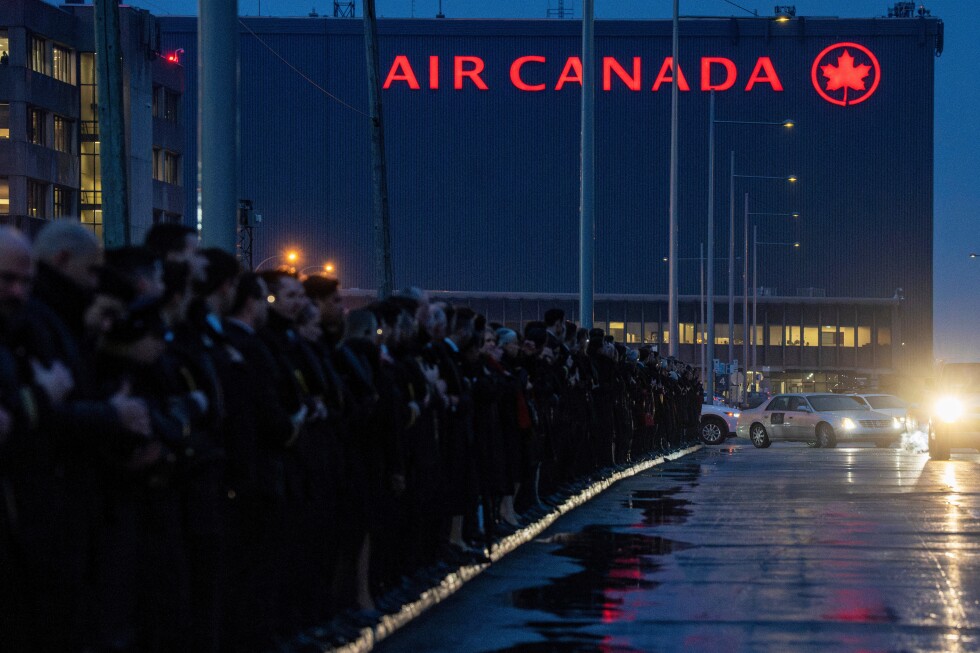
The genesis of Rousseau's downfall can be traced to a solemn moment – a tragic accident at New York's LaGuardia Airport earlier this month. In the wake of the devastating event, Rousseau issued a message of condolence. However, the message, delivered exclusively in English, ignited a firestorm, particularly in Quebec, Air Canada's home province and a bastion of French language and culture. Critics swiftly pointed out the glaring omission, interpreting it not just as an oversight, but as a dismissive gesture towards the Francophone community.
Quebec's Linguistic Landscape: A Volatile Terrain
To fully grasp the magnitude of the backlash, one must understand Quebec's unique linguistic context. French is the official language of Quebec, fiercely protected by legislation like the Charter of the French Language (Bill 101). For decades, the province has battled to preserve its linguistic identity amidst the dominant English-speaking North American continent. Any perceived slight, especially from a national flagship company like Air Canada, often strikes a raw nerve.
Rousseau's subsequent apologies, acknowledging his "insensitivity" and promising to improve his French, came too late for many. The incident moved beyond a simple gaffe; it became a symbol for deeper frustrations regarding the status of French within federal institutions and major corporations operating in Quebec.
The Broader Implications for Corporate Leadership
Rousseau's retirement serves as a stark reminder that in today's interconnected and culturally aware world, corporate leaders must possess more than just financial acumen. Empathy, cultural intelligence, and impeccable crisis communication skills are now non-negotiable. This incident underscores several critical lessons:
- Context is King: Understanding the socio-political and cultural landscape of one's operating regions is paramount. What might be an innocuous statement elsewhere can be deeply offensive in a specific context.
- Communication in Crisis: During a crisis, every word matters. The language, tone, and medium of communication can either soothe or inflame public sentiment.
- Authenticity and Timeliness: While apologies are necessary, their effectiveness is greatly diminished if they appear forced or are delivered too late.
- Leadership Accountability: The buck stops at the top. CEOs are not just strategists; they are the public face and moral compass of their organizations.
What Next for Air Canada?
Air Canada now faces the challenge of finding a successor capable of navigating both the complex business landscape of a major airline and the sensitive cultural currents of its diverse customer base and home country. The new CEO will inherit a mandate to not only ensure operational excellence but also to rebuild trust and foster a more inclusive corporate image.
This episode will undoubtedly influence how multinational and national corporations approach internal and external communications, especially in countries with significant linguistic and cultural minorities. It highlights a growing expectation from the public that leaders are not just competent in their core business, but also profoundly aware of and sensitive to the diverse communities they serve.
Lessons for a Globalized World
The retirement of Michael Rousseau isn't merely an airline story; it's a parable for modern leadership. In an increasingly globalized yet simultaneously localized world, the ability to communicate respectfully and effectively across cultural and linguistic divides is no longer a soft skill, but a hard requirement for survival at the highest echelons of corporate power.