A Buried Oasis: Utah's Hidden Freshwater Reservoir Offers New Hope for the Great Salt Lake
For years, the story of the Great Salt Lake has been one of dire warnings and visible decline. As its waters recede, exposing vast stretches of playa, the specter of toxic dust pollution has loomed large over Utah's population centers. But a groundbreaking discovery by geophysicists at the University of Utah has injected a vital dose of hope into this unfolding environmental crisis: a massive, previously unknown freshwater reservoir hidden deep beneath Farmington Bay.
Unearthing the Unseen: The Scientific Breakthrough
Using advanced geophysical techniques, researchers have mapped an extensive subterranean aquifer, a veritable freshwater oasis lying directly under a portion of the Great Salt Lake. This isn't just a small pocket; early indications suggest a significant volume of freshwater, the precise dimensions and total capacity of which are still under ongoing analysis. The methodology involved sophisticated imaging technologies that allowed scientists to 'see' through layers of sediment and saline water, identifying distinct freshwater pockets fed by runoff from the surrounding Wasatch Mountains.
The existence of such a reservoir, while perhaps not entirely unexpected given geological conditions, had evaded detection until now. Its proximity to the lake, particularly Farmington Bay, makes it a potentially game-changing resource in the fight against the lake's degradation and its cascading environmental consequences.
Mitigating Pollution: A Shield Against the Dust
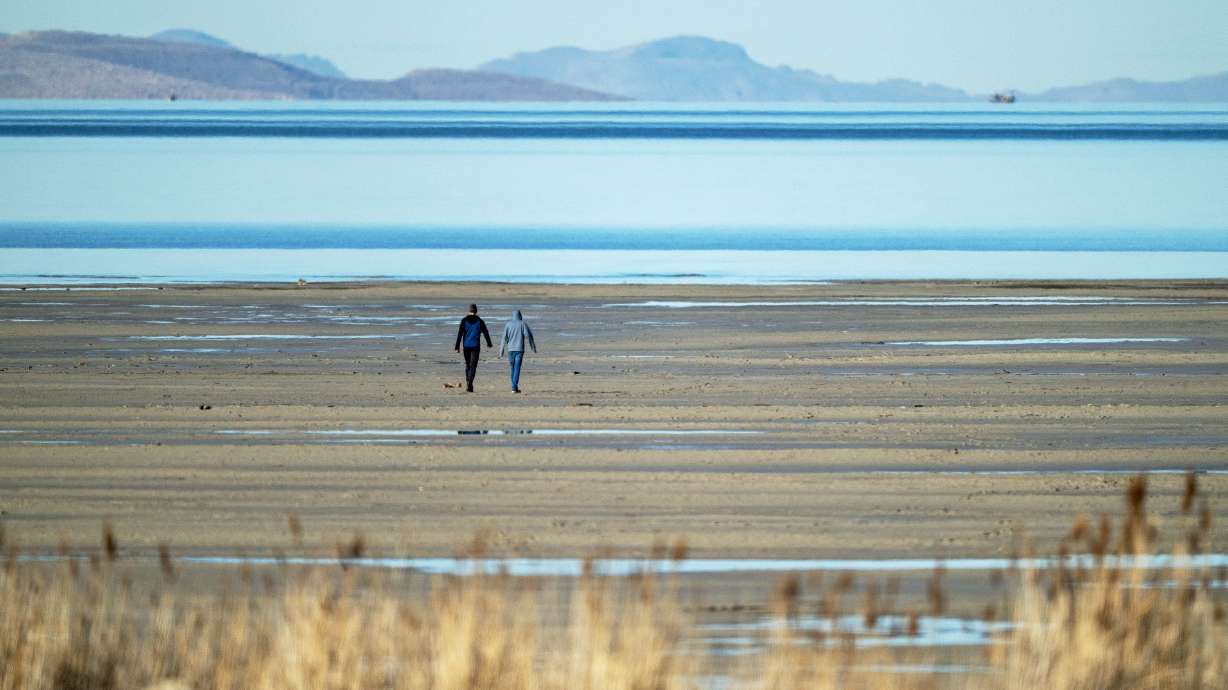
The most immediate and critical implication of this discovery lies in its potential for pollution mitigation. The exposed lakebed, encompassing over 800 square miles, is a significant source of dust laden with heavy metals and other harmful pollutants. These particulate emissions pose a severe public health risk to millions living along the Wasatch Front.
The newfound freshwater reservoir offers several tantalizing possibilities:
- Direct Recharging: While challenging, it's conceivable that controlled pumping of this freshwater could directly replenish portions of the lake, particularly shallower bays, helping to cover exposed playa and reduce dust emissions.
- Groundwater Barriers: The freshwater could potentially be used to create hydraulic barriers, pushing back against the intrusion of saline water into vulnerable aquifers and maintaining higher water tables in critical areas adjacent to the lake.
- Wetland Restoration: Strategic use of the water could facilitate the restoration and expansion of wetlands around the lake, which act as natural filters and dust suppressants.
It's crucial to note that simply tapping into this reservoir is not without its complexities. Sustainable extraction rates, potential impacts on existing surface water rights, and the energy required for pumping are all factors that will require careful study and innovative solutions.
Beyond Farmington Bay: A Broader Water Conservation Conversation
This discovery transcends its immediate utility; it fundamentally alters the narrative surrounding water resources in arid regions. It underscores the importance of continued investment in geophysical research and exploration, reminding us that valuable resources may lie hidden beneath our feet, even in the most stressed environments. For Utah, it adds a new dimension to the ongoing debate about water conservation, allocation, and management in the face of persistent drought and population growth.
While not a 'magic bullet' to instantly solve the Great Salt Lake's multifaceted problems, this freshwater reservoir represents a significant new tool in the environmental stewardship toolkit. It necessitates collaboration between scientists, policymakers, urban planners, and agricultural stakeholders to develop a holistic, long-term strategy for its responsible utilization.
A Beacon of Hope Amidst Crisis
The University of Utah's breakthrough is a powerful testament to human ingenuity and the enduring potential for scientific discovery to address pressing environmental challenges. It offers not just water, but renewed hope – a beacon guiding efforts to mitigate pollution, restore ecological balance, and secure a more sustainable future for the Great Salt Lake and the communities that depend on it. The journey ahead will be complex, but with this newfound understanding of the subsurface, Utah is better equipped than ever to navigate its environmental destiny.