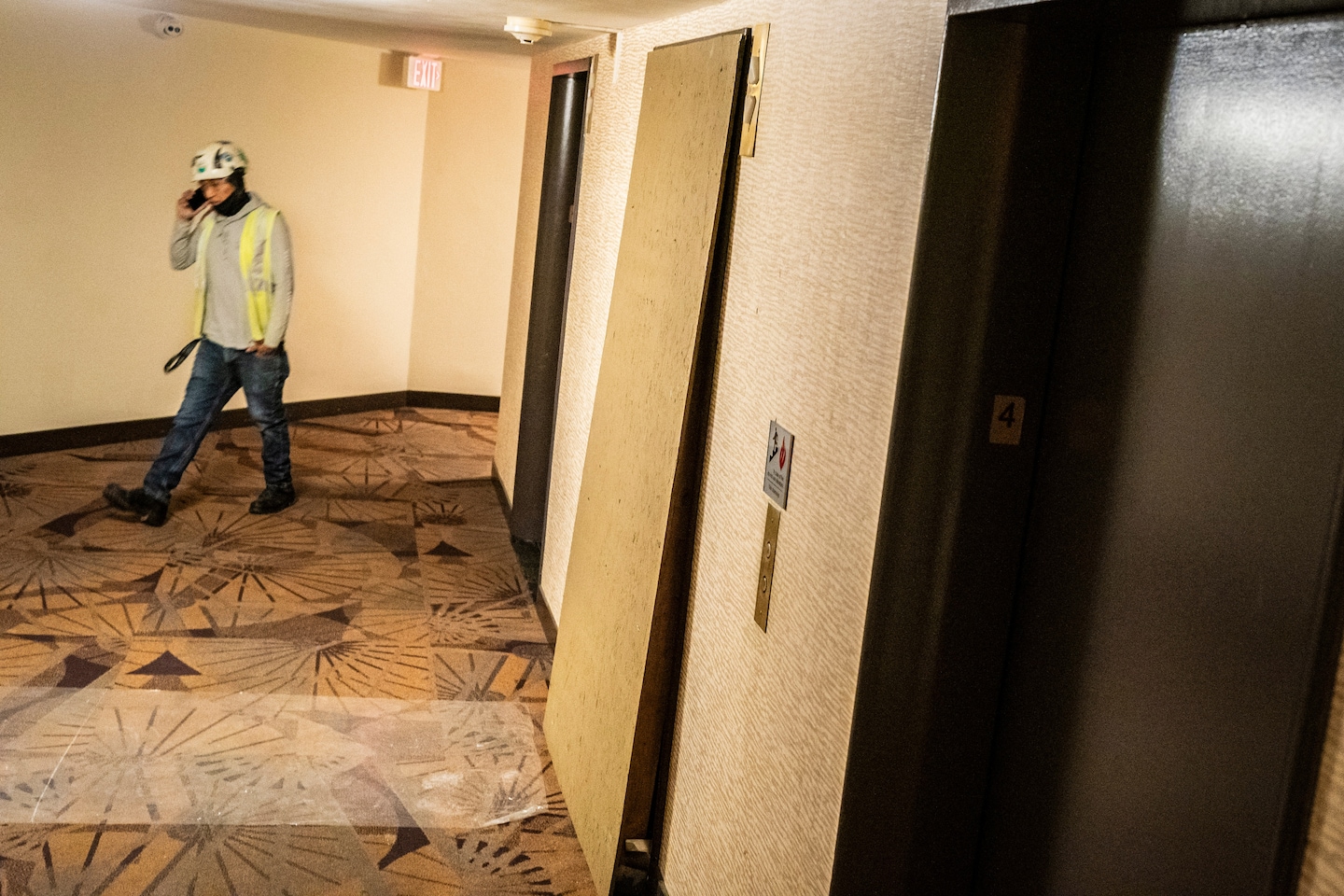
When History Harbors Hazard: The D.C. Elevator Horror That Exposed Years of Negligence
Last fall, Tijuanna Fisher's life irrevocably changed in the blink of an eye. Trapped on the floor of an elevator in her Northwest Washington apartment building, her arm severed by a malfunctioning door, one thought echoed in her mind: 'Please, God, don't let me...' This isn't just a horrific personal tragedy; it's a stark, public indictment of systemic negligence, echoing through the historic halls of a building once graced by a young John F. Kennedy.
The Incident: A Split-Second Catastrophe Foretold
The Washington Post's obtained video footage of the incident is chilling, revealing just how swiftly an everyday convenience can transform into a nightmare. What it doesn't show, but what residents like Fisher had known for far too long, were the persistent, ignored warnings. For months, if not years, tenants had lodged complaints about the elevator's erratic behavior, its unsettling jerks, and the ominous sounds that foreshadowed disaster. Each complaint was a plea for safety, a call for attention that fell on deaf ears, until silence was shattered by a scream and the ghastly sight of a severed limb.
The Weight of History vs. The Burden of Maintenance
The building itself carries a certain gravitas. Its ornate facade and storied past — a former residence of a future president — speak to a bygone era of grandeur. Yet, beneath the veneer of historical significance, lurked a dangerous complacency. The romanticism of old architecture often clashes with the pragmatic, costly demands of modern safety standards and ongoing maintenance. This incident forces a critical question: when does the preservation of history supersede the immediate safety of its current occupants?
This tragedy is not an isolated mechanical failure; it’s a failure of oversight, accountability, and basic human concern. Tenant complaints, when ignored, morph from minor annoyances into significant liabilities, and ultimately, preventable catastrophes. The video serves as undeniable proof of the incident, but the narrative of negligence was written long before, in the unaddressed service requests and the casual dismissal of residents' fears.
Future Implications: A Call for Systemic Change
The repercussions of Tijuanna Fisher's ordeal extend far beyond her personal recovery. This incident should serve as a wake-up call for property owners, building management companies, and regulatory bodies across the nation, particularly in cities like D.C. with a wealth of aging, historic structures. It underscores the critical need for:
- Stricter Enforcement of Safety Regulations: Regular, unannounced inspections that go beyond cursory checks.
- Enhanced Tenant Advocacy: Empowering residents with clearer channels for reporting issues and ensuring their concerns are addressed.
- Accountability for Negligence: Holding building owners and management accountable not just financially, but ethically and legally, for deferred maintenance that endangers lives.
- Transparent Maintenance Records: Allowing tenants access to service logs and inspection reports.
Tijuanna Fisher's agonizing wait on that elevator floor, praying to God, should echo in the consciences of all responsible parties. Her severed arm is not merely an injury; it's a gruesome symbol of what happens when profit and historical prestige are prioritized over the fundamental right to safety. NovaPress will continue to follow this story, demanding answers and advocating for a future where such preventable horrors become relics of the past, not terrifying realities of the present.