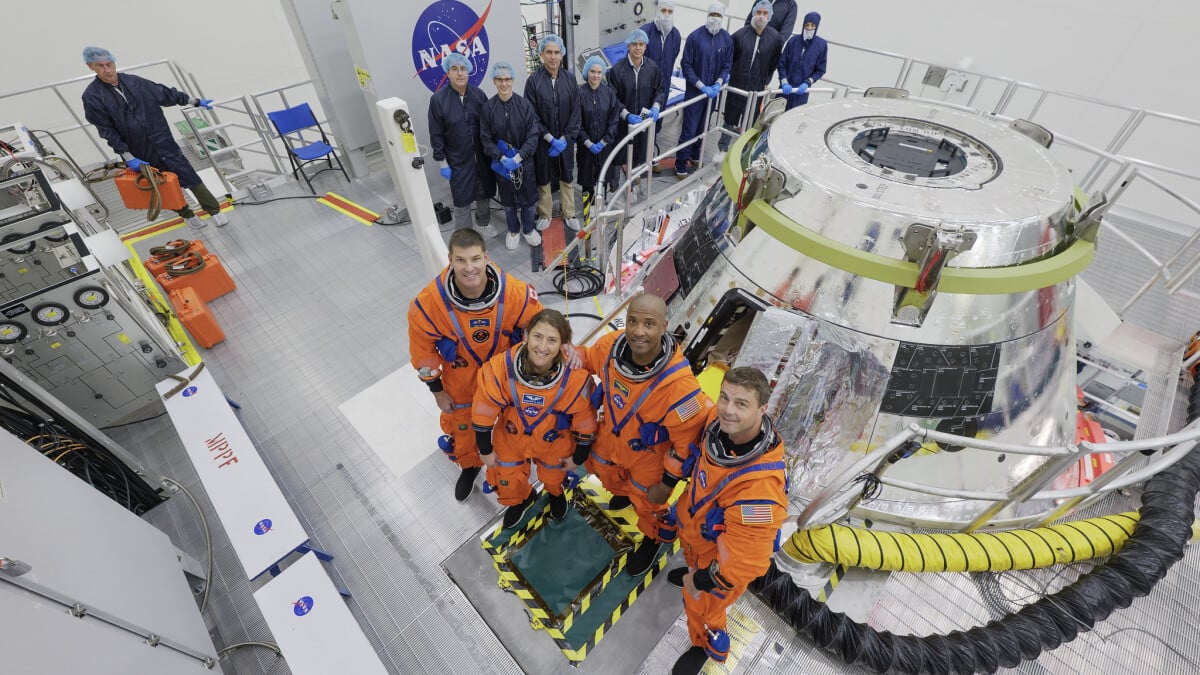
The Micro-World of Lunar Travel: A Deep Dive into Life Aboard Artemis II's Orion Capsule
As humanity prepares to return to the Moon with the Artemis program, the focus often shines on the monumental rockets and grand scientific ambitions. Yet, for the intrepid astronauts of Artemis II, the reality of this pioneering journey will be lived in a space remarkably intimate and meticulously engineered: the Orion capsule. This compact habitat, a mere 330 cubic feet, is more than just a vessel; it's a testament to human ingenuity in extreme confinement, offering a fascinating glimpse into the future of deep-space living.
The Confined Reality: Living in 330 Cubic Feet
To put 330 cubic feet into perspective, consider this: it's roughly equivalent to the interior volume of a standard minivan or a small walk-in closet. For a multi-day journey around the Moon, this is the entire world for four highly trained individuals. Every inch is optimized for function, safety, and the well-being of the crew. Unlike the sprawling International Space Station, Orion is designed for transit, demanding an unparalleled level of personal organization and inter-crew harmony.
Engineering for Existence: Inside Orion's Habitat
The design of Orion is a masterclass in minimalist efficiency. Every surface serves multiple purposes. Sleeping arrangements often involve sleeping bags tethered to walls, offering a stark reminder of the absence of gravity. Waste management systems are sophisticated to minimize volume and maximize recyclability. Food, carefully packaged and rehydratable, provides essential nutrition without occupying excessive space. Personal hygiene, a significant challenge in microgravity, relies on waterless cleansers and meticulous protocols, ensuring health and morale amidst the close quarters.
The Human Element: Psychological Resilience in Deep Space
Beyond the technical marvels, the true challenge and triumph of life aboard Orion lies with its human occupants. Four astronauts, carefully selected for their skills, temperament, and ability to work cohesively under pressure, will share this confined habitat. Psychological resilience is paramount. Opportunities for privacy are virtually non-existent, demanding exceptional communication skills, empathy, and the ability to navigate minor irritations that could quickly escalate in such an enclosed environment. NASA's rigorous training protocols emphasize teamwork, conflict resolution, and mental preparedness for isolation and the unique stressors of deep space.
Context and Future Implications: Paving the Way for Mars
The Artemis II mission, while a lunar flyby, serves as a critical proving ground for the Orion capsule's life support systems and crew accommodations. Lessons learned here will directly inform the design of future habitats for lunar landings (Artemis III) and, crucially, long-duration missions to Mars. The ability to sustain human life and productivity in such small volumes for extended periods is not just about getting to a destination; it's about enabling a persistent human presence beyond Earth. The Orion capsule, small as it may be, represents a monumental leap in understanding what it truly means to live and work in the frontier of space.
The 330 cubic feet of the Orion capsule isn't just a physical space; it's a crucible where the future of human space exploration is being forged. It forces us to confront the fundamental necessities of life, strips away the superfluous, and highlights the incredible adaptability and determination of the human spirit. As Artemis II prepares to launch, we don't just anticipate a journey around the Moon; we anticipate a profound insight into the very essence of living in space, paving the way for our species' next giant leaps.