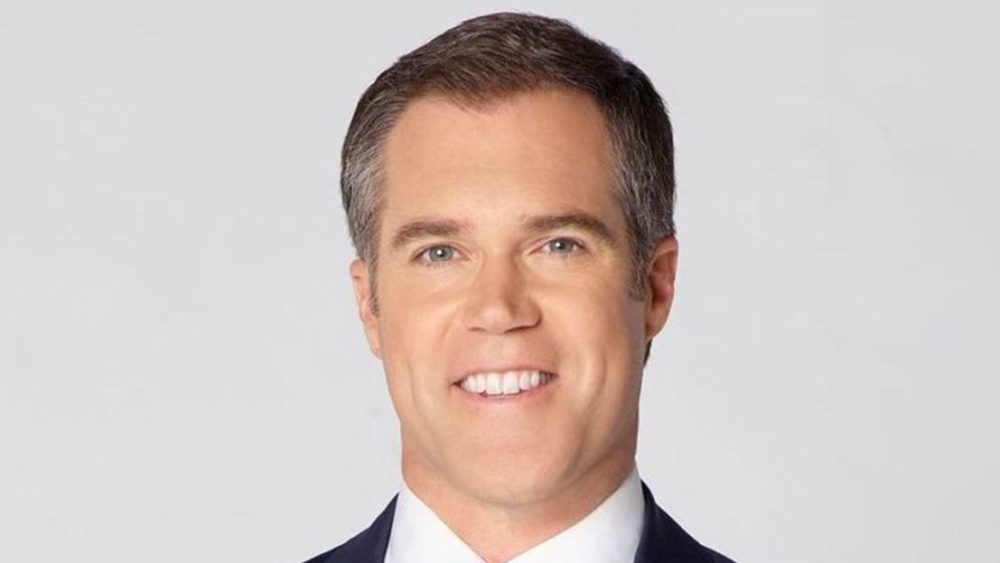
The news cycle is relentless, demanding tireless dedication from those tasked with chronicling it. Few embody this more vividly than Peter Alexander, the veteran NBC News correspondent who recently announced his departure from the network. After years of masterfully navigating the high-stakes world of White House reporting while simultaneously co-anchoring the weekend edition of the 'Today' show, Alexander's exit marks more than just a personnel change; it signals a potential re-evaluation of the demanding, multi-hyphenate roles that have long defined top-tier broadcast journalism.
A Career Defined by Dual Demands
For nearly two decades, Peter Alexander was a quintessential figure at NBC News. His career trajectory saw him rise through the ranks, eventually securing one of the most visible and challenging beats in American journalism: the White House. Reporting from the North Lawn or Air Force One, Alexander consistently delivered incisive, often challenging, coverage of multiple administrations. What made his tenure particularly noteworthy, however, was his parallel commitment to 'Saturday Today.'
This dual role presented an extraordinary balancing act. During the week, Alexander was immersed in the hyper-competitive, 24/7 political maelstrom, often traveling internationally or covering breaking news under immense pressure. By Saturday, he would transition to the more personable, broader appeal format of 'Today,' guiding viewers through a mix of news, interviews, and lighter segments. This unique blend of gravitas and warmth made him a beloved figure, but it also underscored an almost superhuman capacity for endurance and adaptability. The industry often lauded him as one of its 'hardest working' correspondents, a testament to the sheer volume and diversity of his responsibilities.
The Strain of the Multi-Hyphenate Role
Alexander's departure prompts a crucial question for the broadcast news industry: Is the era of the multi-hyphenate, perpetually 'on' journalist becoming unsustainable? The demands on modern journalists have never been higher. Beyond traditional reporting, there's the expectation of social media engagement, podcasting, and contributing across various digital platforms. For a correspondent covering the White House, a role inherently linked to constant breaking news and political volatility, the added burden of anchoring a live, national weekend show presents a significant strain.
This isn't just about Peter Alexander; it's about the broader ecosystem. Networks have historically relied on star correspondents to pull double or triple duty, maximizing their talent across different programming slots. However, the intensity of the current news environment, coupled with increased scrutiny and the relentless pace of information dissemination, may be pushing even the most dedicated professionals to their limits. Burnout is a real concern in any high-pressure field, and journalism, particularly political journalism, is no exception.
Future Implications for NBC News and Beyond
For NBC News, Alexander's exit leaves a significant void. Identifying a successor who can bring the same level of experience, credibility, and versatility to both the White House beat and weekend anchoring will be a formidable challenge. It may force the network to reconsider its staffing strategy, potentially opting to split these demanding roles among different individuals to alleviate pressure and ensure specialized focus.
Beyond NBC, this event could serve as a bellwether for the industry. Will other networks follow suit, recognizing the immense toll such roles take? Could we see a trend towards more specialized roles, where correspondents are less frequently asked to bridge such disparate demands? The answer will likely shape how news is delivered and consumed in the coming years. As the media landscape continues its rapid evolution, the need for sustainable, impactful journalism remains paramount. Peter Alexander's legacy is not just his reporting, but also the conversation his departure ignites about the future well-being and structure of the profession itself.
Ultimately, Peter Alexander's decision marks the end of an impressive chapter for both him and NBC News. It's a moment to acknowledge his extraordinary contributions and, perhaps more importantly, to reflect on the evolving realities and inherent pressures facing the dedicated professionals who bring us the news, day in and day out.