Navigating the Airport Gauntlet: Unpacking Your Rights When TSA Delays Cause Missed Flights
By NovaPress Staff | October 26, 2023
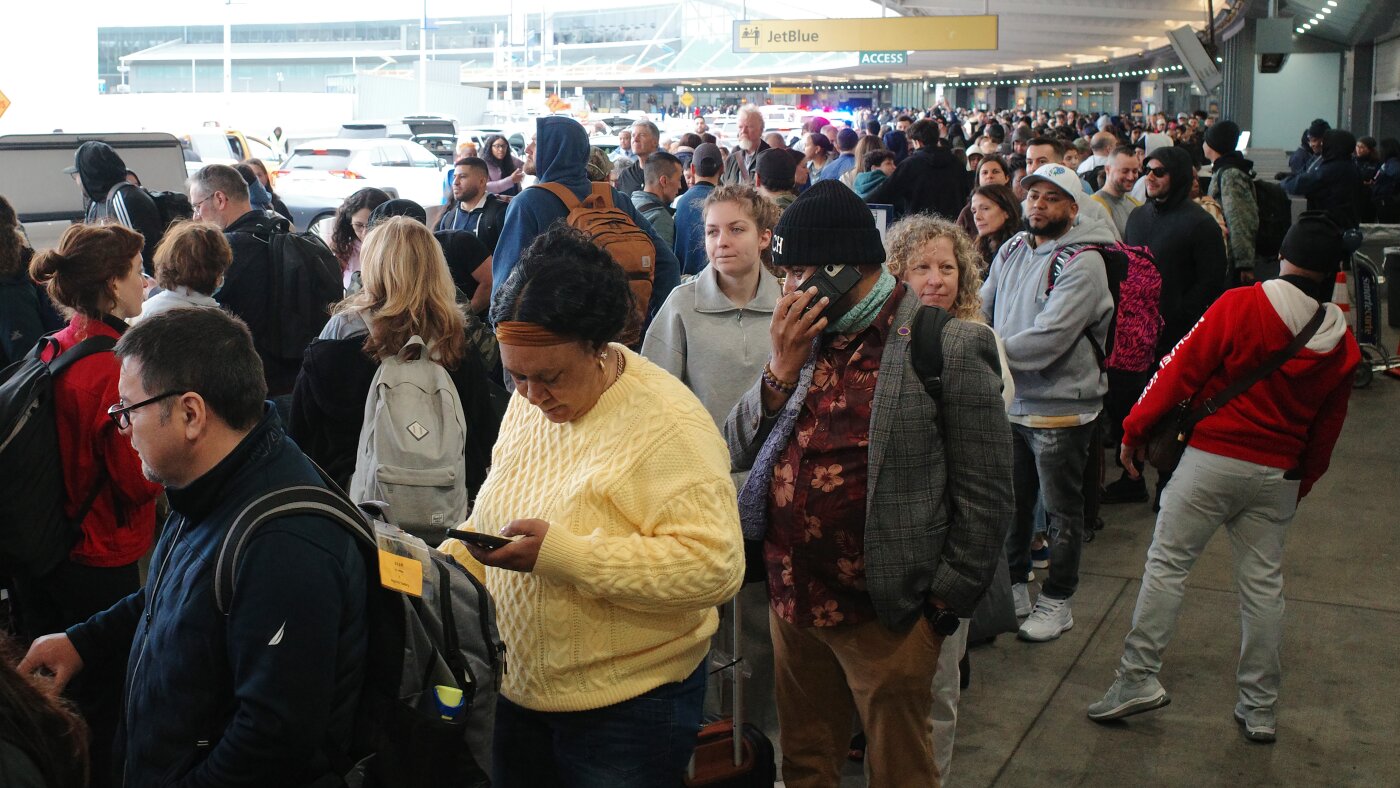
It’s a scenario that haunts even the most seasoned travelers: you arrive at the airport well in advance of your flight, only to be confronted by a seemingly endless Transportation Security Administration (TSA) checkpoint line. It snakes past terminals, onto the sidewalk, and time ticks away mercilessly. Your flight's boarding time looms, then passes, and the dreadful realization dawns: you've missed your flight, not due to personal tardiness, but due to a bottleneck beyond your control. The natural assumption might be that the airline will step in to help, understanding the circumstances. The harsh reality, as many passengers are discovering, is quite different: airlines are often not obligated to rebook you, leaving you stranded and out of pocket.
The Invisible Wall: Understanding Airline Obligations
While airlines might offer assistance out of goodwill or for public relations, their foundational "Contract of Carriage" — the legal agreement between you and the airline — typically absolves them of responsibility for delays caused by external factors. TSA wait times fall squarely into this category. Unlike flight delays or cancellations caused by mechanical issues or crew shortages, which often trigger rebooking or compensation obligations, the airport security process is considered outside the airline's operational purview.
This legal nuance creates a gaping hole in passenger protection. Passengers, having paid for a service, find themselves in a limbo where neither the government agency (TSA) nor the service provider (airline) feels directly accountable for the missed connection. This lack of explicit obligation means that discretion lies entirely with individual airline agents, leading to inconsistent outcomes and increased stress for travelers already reeling from the delay.
A System Under Strain: Why Lines Are Longer
The problem isn't new, but it has intensified. The post-pandemic travel surge has pushed airport infrastructure and staffing to their limits. A combination of factors contributes to the escalating wait times: a persistent shortage of TSA officers, increased scrutiny due to evolving security threats, and a general lack of preparedness for peak travel volumes. Airports, too, share some responsibility, with many struggling to modernize layouts or expand security areas to accommodate growing passenger numbers. This confluence of issues transforms what should be a straightforward security check into an unpredictable gauntlet.
Strategies for the Savvy Traveler: Taking Control
In the absence of clear airline mandates, passengers are forced to become their own advocates. Here are proactive steps that can mitigate the risk:
- Arrive Early, Then Earlier: The standard "two hours for domestic, three for international" is increasingly insufficient at major hubs during peak times. Add another hour to your buffer, especially if you're checking bags.
- Leverage Expedited Security: Programs like TSA PreCheck and CLEAR can drastically reduce wait times. While they require an application and fee, the peace of mind and time saved often justify the investment.
- Stay Informed: Download your airline's app and use airport apps or websites to monitor TSA wait times in real-time. This can help you choose the least crowded checkpoint if available.
- Know Your Contract: Familiarize yourself with your airline's Contract of Carriage, particularly sections on missed flights and force majeure clauses. This knowledge, though grim, can inform your expectations.
- Consider Travel Insurance: While not a panacea, certain travel insurance policies can cover rebooking costs or non-refundable expenses if you miss a flight due to unavoidable airport delays. Read the fine print carefully to understand what's covered.
- Polite Persistence: If you do miss your flight, approach the airline desk or call their customer service with a calm, clear explanation. While they aren't obligated, a polite request for assistance, especially if you can demonstrate you arrived exceptionally early, might yield a positive outcome.
The Road Ahead: Demanding Systemic Change
While individual strategies are crucial, the long-term solution lies in systemic improvements. There's a growing call for enhanced accountability across the travel ecosystem. This includes:
- Increased Funding and Staffing for TSA: Adequate resources are paramount to reduce wait times and improve efficiency.
- Technological Innovation: Greater adoption of advanced screening technologies could expedite the process without compromising security.
- Rethinking Airport Infrastructure: Modernizing and expanding security checkpoints to handle current and future passenger volumes.
- Clearer Passenger Protections: Advocacy groups are pushing for legislation that would mandate airlines to assist passengers in cases of extreme, unavoidable airport delays, similar to protections for airline-caused delays.
- Improved Coordination: Better communication and operational planning between airlines, airports, and the TSA could smooth out bottlenecks before they become critical.
Conclusion: Flying in the Age of Uncertainty
The modern air travel experience is increasingly defined by unforeseen challenges. The threat of missing a flight due to excessive TSA lines highlights a critical vulnerability in the current system of passenger rights and responsibilities. Until systemic changes are implemented and clearer obligations are defined, travelers must arm themselves with knowledge, prepare meticulously, and advocate for themselves. The "airport gauntlet" is more than just an inconvenience; it's a stark reminder of the evolving landscape of travel and the pressing need for a more robust, passenger-centric framework.