Escalation in the Gulf: Iranian Attack Wounds US Troops, Reveals Enduring Threat
NovaPress Analysis by Editor-in-Chief
A Direct Strike and its Immediate Aftermath
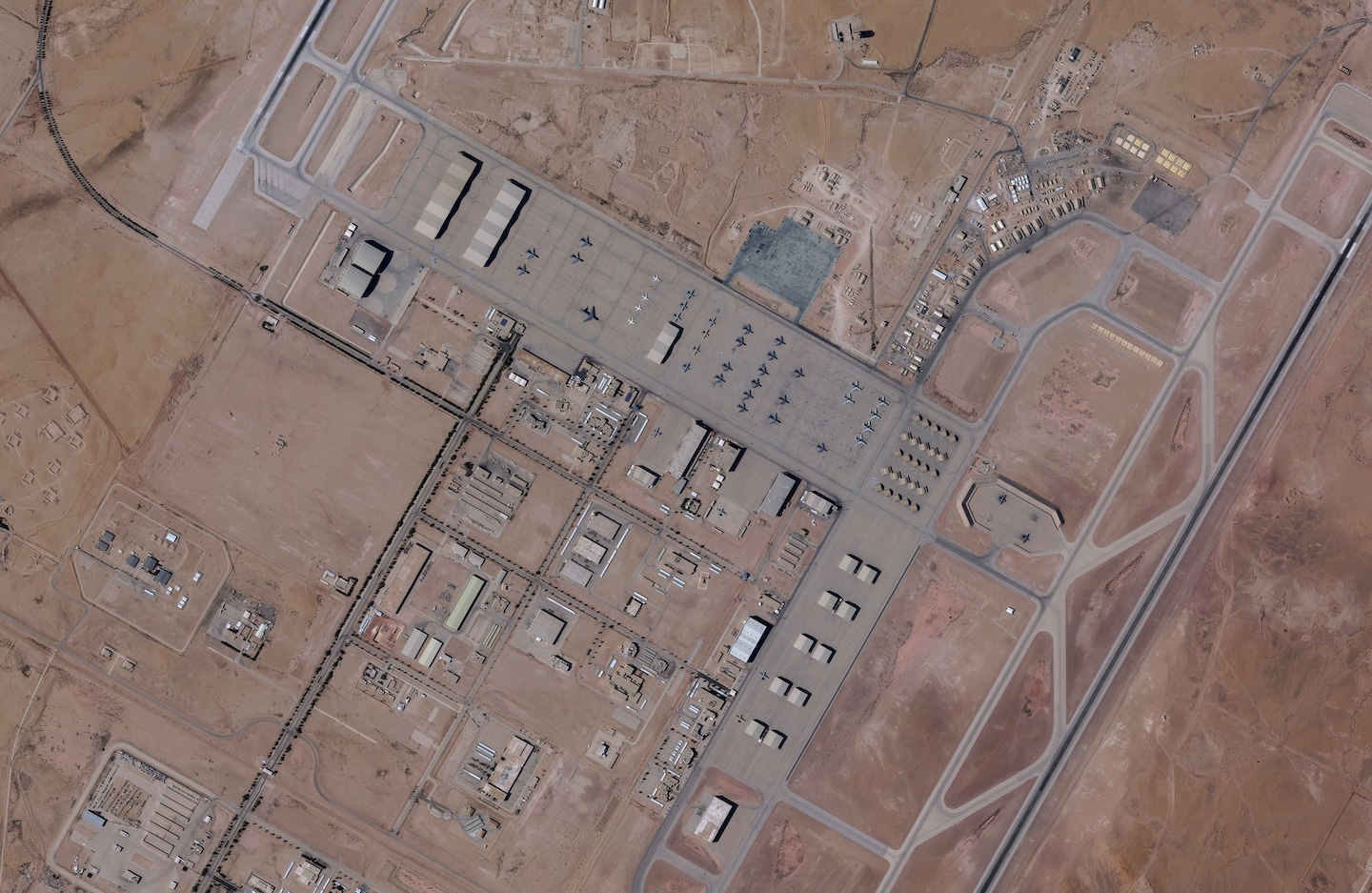
The recent Iranian assault on Prince Sultan Air Base in Saudi Arabia, which left at least 10 U.S. service members wounded, two seriously, marks a significant and dangerous escalation in an already volatile region. The strike, not only targeting American personnel but also damaging critical Air Force refueling aircraft, serves as a stark reminder of Iran’s persistent capability and willingness to project power despite ongoing international efforts to contain its influence.
Context: A Region on Edge
For decades, the Middle East has been a crucible of geopolitical tension, with Saudi Arabia and Iran often at opposing poles. The U.S. military presence in the Kingdom, including at bases like Prince Sultan, is ostensibly aimed at regional stability, counter-terrorism efforts, and deterring Iranian aggression. However, this attack peels back layers of previous assumptions, suggesting that Washington's deterrence strategies may be insufficient against Tehran's asymmetric warfare tactics.
The timing is also crucial. Despite "weeks of strikes" – likely referencing previous U.S. or allied responses to Iranian-backed proxy attacks, or broader regional counter-terrorism operations – Iran has demonstrated its capacity to retaliate and strike at high-value targets. This underscores a complex and interwoven web of conflicts, where direct and indirect confrontations blur the lines of engagement.
Strategic Implications and Future Challenges
The damage to refueling aircraft is particularly noteworthy. These assets are vital for sustained air operations across the vast expanse of the Middle East, enabling everything from reconnaissance to strike missions. Their targeting suggests a deliberate attempt to degrade U.S. operational capabilities and inflict both material and psychological costs.
From Washington's perspective, the incident demands a critical re-evaluation of its force posture and defensive readiness in the region. Are current air defense systems robust enough? Is intelligence adequate to preempt such attacks? The question of how to respond, and prevent further escalation without inadvertently igniting a wider conflict, becomes paramount.
For Iran, the attack sends a clear message: despite sanctions and perceived international pressure, it retains the ability to strike back, assert its regional influence, and challenge what it perceives as foreign military occupation. This approach complicates any future diplomatic overtures and signals a hardening of positions.
The Path Forward: Deterrence and Diplomacy
The immediate aftermath will likely involve intense diplomatic consultations between the U.S. and its regional allies. Any military response from the U.S. will be carefully calibrated, weighing the need for deterrence against the risks of a tit-for-tat escalation that could spiral out of control. The protection of U.S. personnel and assets will undoubtedly be prioritized, potentially leading to enhanced defensive measures and a renewed focus on intelligence gathering.
Ultimately, this incident serves as a stark reminder that the Middle East remains a powder keg. The enduring threat posed by Iran, highlighted by this direct assault, demands a comprehensive strategy that blends robust deterrence with persistent diplomatic engagement, even as the path to stability grows increasingly narrow and fraught with peril.