Global Markets Plunge to 2026 Low as Iran Conflict Fuels Economic Anxiety
NovaPress Exclusive
The global financial landscape is once again reeling, as markets extended a sharp sell-off this past week, plummeting to a new low for 2026. This significant downturn is largely attributed to escalating anxieties surrounding the protracted Iran conflict, which continues to cast a long shadow over investor confidence, business operations, and consumer sentiment worldwide. The ramifications are immediate and profound, from soaring oil prices to a palpable drop in economic optimism.
A New Economic Benchmark: The 2026 Low
The recent market performance marks a critical juncture for 2026, establishing a new baseline of caution and uncertainty. Investors, already navigating a complex web of inflation concerns and shifting monetary policies, are now contending with heightened geopolitical risk. The 'risk-off' sentiment has become pervasive, leading to significant capital flight from equities and other perceived risk assets. This isn't merely a temporary fluctuation; it signals a deeper apprehension about sustained global instability.
The Iran Conflict: A Geopolitical Tremor with Economic Aftershocks
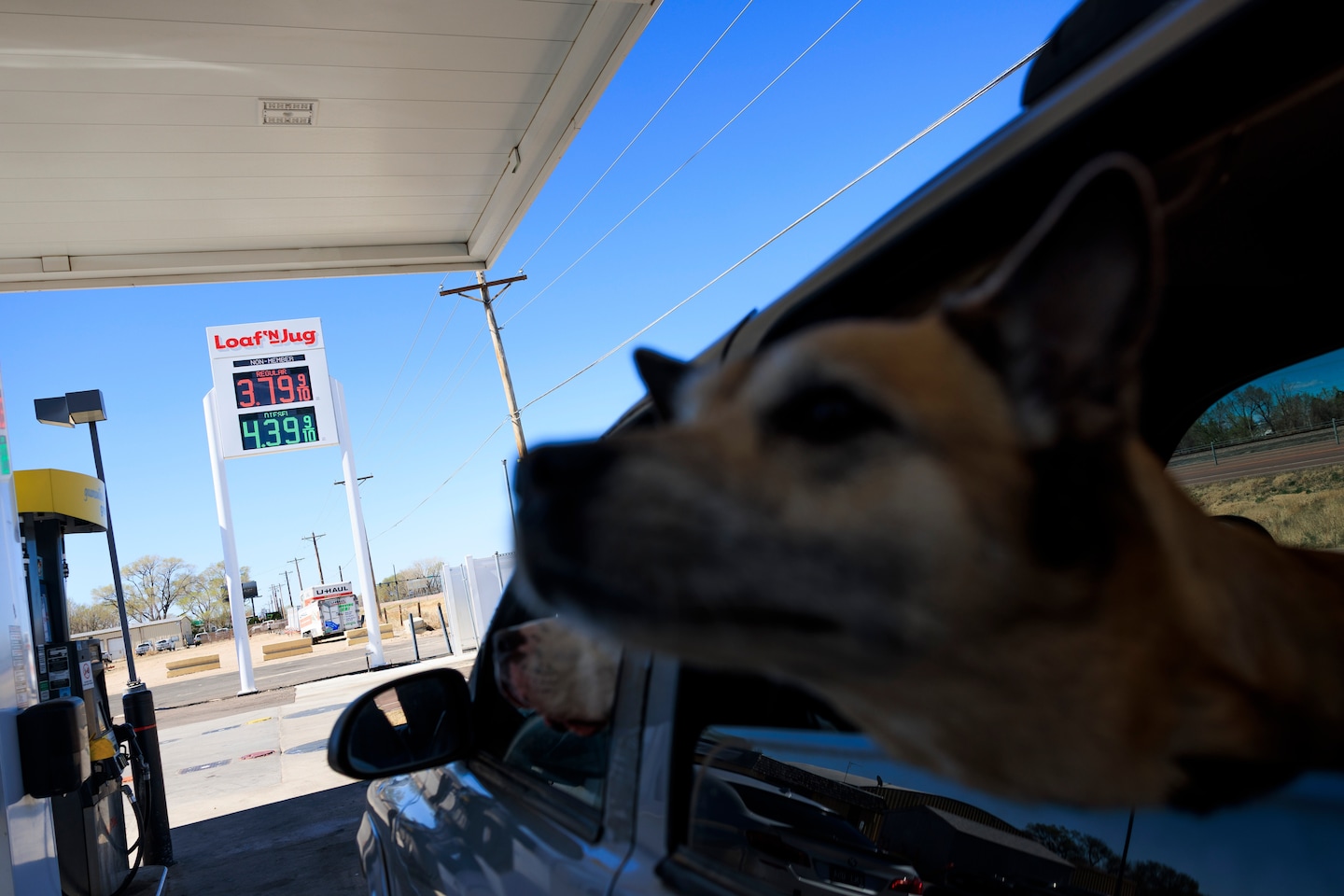
At the heart of this financial tremor lies the ongoing conflict in Iran. The Middle East, a pivotal region for global energy supply, is particularly sensitive to geopolitical tensions. Disruptions, or even the threat of them, in this area inevitably lead to volatility in commodity markets, most notably crude oil. As the source data indicates, oil prices are once again on the ascent, directly impacting production costs for businesses and household budgets for consumers, feeding into inflationary pressures.
Beyond direct energy implications, the conflict exacerbates supply chain vulnerabilities. International trade routes, already strained from previous global events, face potential disruptions, increasing shipping costs and delivery times. This uncertainty forces businesses to reconsider investment plans and expansion strategies, leading to a slowdown in economic activity.
Consumer Sentiment: A Barometer of Economic Health
Further compounding the market woes is the dramatic decline in consumer sentiment, now at its lowest level since December. Consumers, the engine of many economies, are increasingly wary. The confluence of rising prices (partly due to oil), job market uncertainties, and the general feeling of global instability erodes confidence in future economic prospects. This reluctance to spend freely can create a self-fulfilling prophecy, leading to reduced demand, slower growth, and even recessionary pressures.
When consumers feel insecure about their financial future or the broader economic environment, discretionary spending is often the first casualty. This can ripple through retail, hospitality, and other service sectors, impacting corporate earnings and, in turn, stock market valuations.
Future Implications and Outlook
The path forward appears fraught with challenges. Should the Iran conflict escalate further, the global economy could face a more severe and prolonged period of stagnation, potentially tipping major economies into recession. Central banks, already battling persistent inflation, find themselves in a difficult position: tightening monetary policy to combat inflation could stifle growth further, while easing could risk runaway prices.
For investors, vigilance and diversification become paramount. For businesses, adaptability and robust risk management strategies are crucial. Governments face the unenviable task of balancing geopolitical diplomacy with domestic economic stability. The current situation underscores the interconnectedness of global politics and economics, demonstrating how regional conflicts can swiftly translate into worldwide financial instability.
As NovaPress continues to monitor these developments, it's clear that the interplay between geopolitical events and economic performance will define the remainder of 2026. The world watches, hoping for de-escalation, but preparing for continued turbulence.