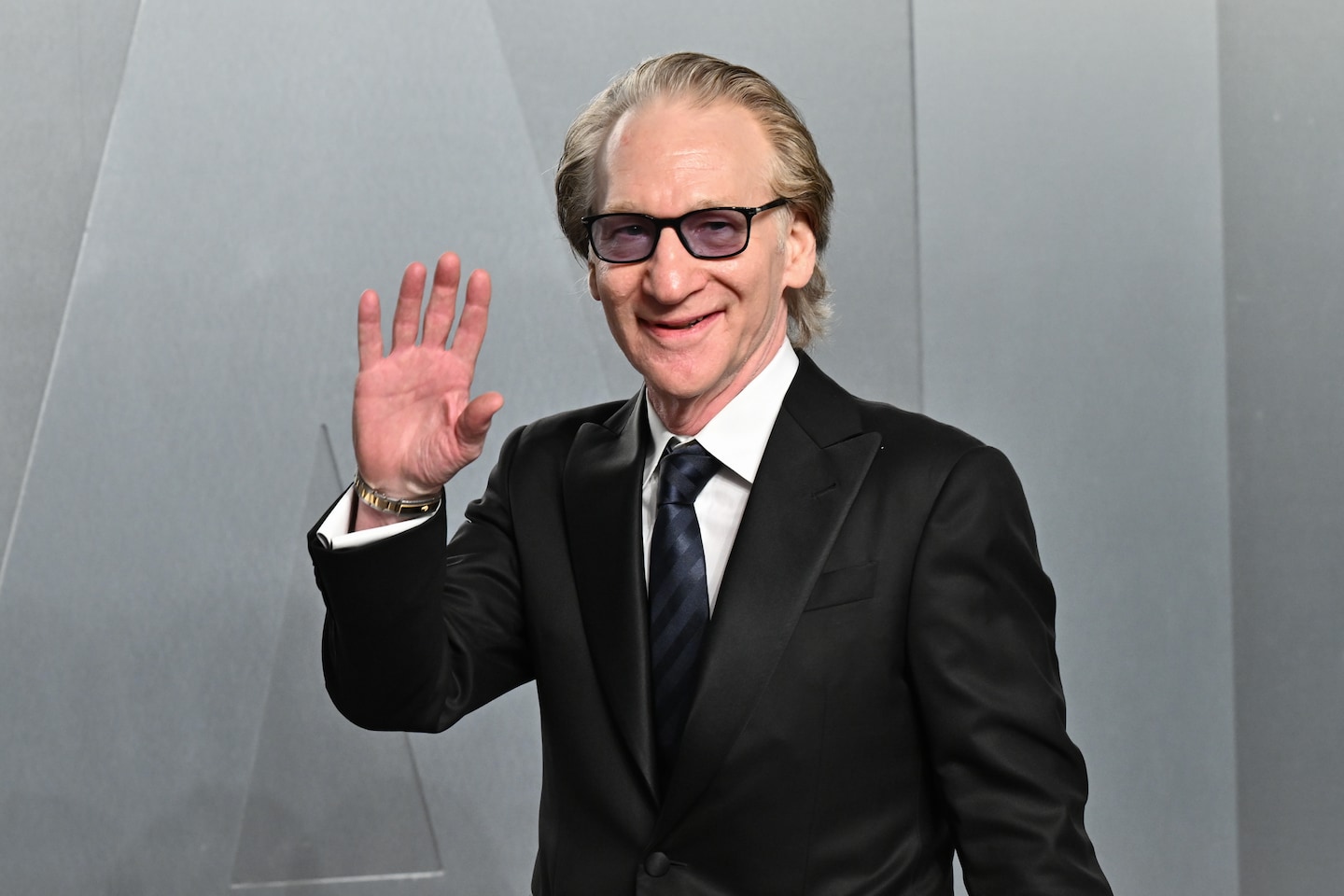
Bill Maher's Twain Prize: A Satirical Triumph in a Polarized Era
The Kennedy Center's recent announcement naming Bill Maher as the 27th recipient of the Mark Twain Prize for American Humor is more than just an accolade; it's a profound statement on the enduring, often uncomfortable, power of political satire in a deeply polarized America. This recognition arrives with a distinct resonance, particularly given previous reports of White House intervention attempts to deny such honors to figures deemed critical of the sitting administration.
Maher's Uncompromising Brand of Humor
Maher, a veteran comedian known for his sharp wit and uncompromising political commentary, has carved out a unique niche in American media. From 'Politically Incorrect' to 'Real Time with Bill Maher,' he has consistently challenged conventional wisdom, skewered hypocrisy across the political spectrum, and provoked thoughtful, albeit sometimes controversial, discourse. His humor, often biting and irreverent, has never shied away from uncomfortable truths, making him both a beloved figure among his fans and a lightning rod for critics.
The Shadow of a White House Denial
The mention of a 'previous White House denial' related to the Mark Twain Prize adds a significant layer of intrigue to Maher's recognition. While the specifics of such attempts often remain shrouded, the implication is clear: political satire, when effective, can touch nerves at the highest levels of power. Maher's relationship with former President Donald Trump has been particularly complex, oscillating between moments of unexpected camaraderie and fierce, no-holds-barred criticism. This dynamic underscores the tightrope walk of the modern political satirist, who must maintain both distance and understanding of their subjects. The prize now, under a different administration, feels like a reclamation of artistic independence and a celebration of humor that dares to offend.
Honoring a Legacy of Irreverence
The Mark Twain Prize, bestowed by the Kennedy Center, honors those who have had an impact on American society comparable to that of Samuel Clemens, a.k.a. Mark Twain. Twain himself was a master satirist, using humor to critique societal norms, political corruption, and human folly. Awarding it to Maher affirms his place in this lineage, recognizing his courage to speak truth to power, even when it's unpopular or inconvenient. It acknowledges that humor isn't just entertainment; it's a vital tool for civic engagement, dissent, and self-reflection in a democratic society.
Future Implications for Satire and Free Speech
In an era characterized by echo chambers and partisan divides, Maher's Twain Prize serves as a potent reminder of the essential role of satire. It implicitly encourages other comedians and cultural commentators to continue pushing boundaries, asking difficult questions, and exposing absurdities. It also poses a challenge to institutions like the Kennedy Center: how will they continue to uphold artistic freedom and independent thought in an increasingly sensitive and politically charged landscape? This award ensures that the spirit of Twain—a spirit of irreverence, intelligence, and unwavering honesty—remains alive and well in the American comedic tradition.
Bill Maher's Mark Twain Prize is more than just a nod to a comedian's long career. It's a testament to the enduring power of satire to both entertain and provoke, a celebration of free speech, and a necessary affirmation that sometimes, the sharpest truths are best delivered with a laugh.