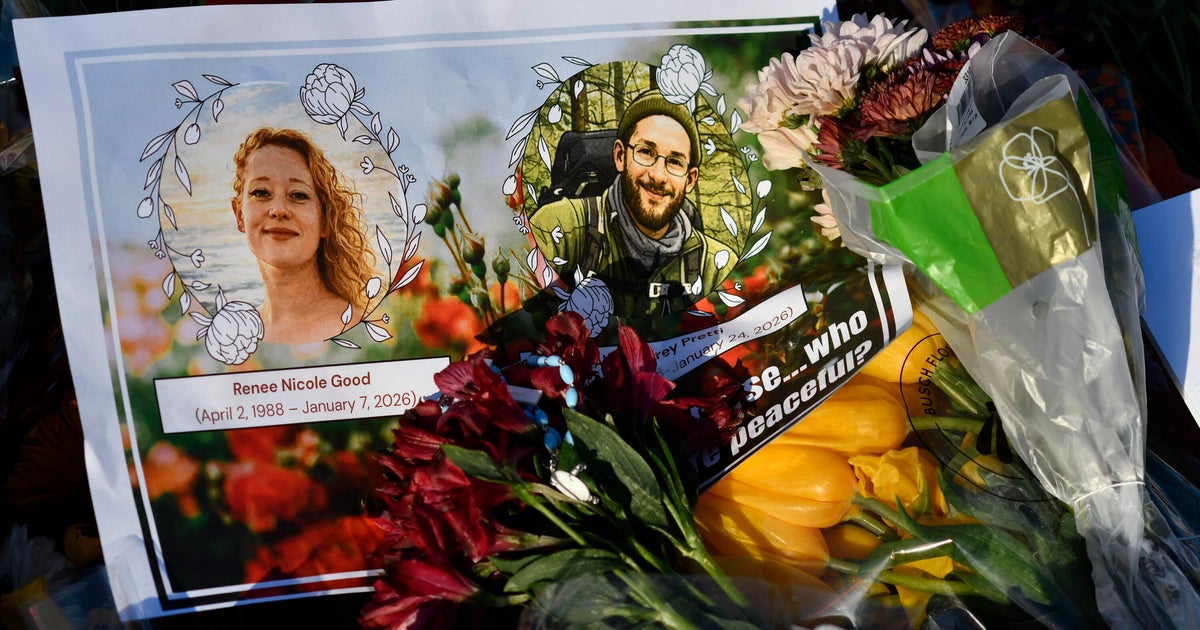
In a dramatic escalation of federal-state tensions, Minnesota state and county officials have launched a landmark lawsuit against the federal government, alleging they are being systematically blocked from investigating the fatal shootings of Renee Good, Alex Pretti, and Julio Cesar Sosa-Celis by federal agents. This unprecedented legal challenge, filed Tuesday, casts a harsh spotlight on the murky boundaries of jurisdiction and accountability when federal power clashes with local oversight, raising profound questions about transparency, justice, and the rule of law.
A Standoff Over Justice: Unpacking the Allegations
The core of Minnesota's complaint is not merely a request for information, but an assertion of the state's sovereign right to investigate incidents of deadly force occurring within its borders, regardless of the agency involved. According to the lawsuit, state and county authorities have faced a stonewall from federal agencies, preventing them from conducting thorough and independent probes into the shootings. This alleged obstruction includes denying access to evidence, withholding witness testimony, and refusing to cooperate with local investigators, effectively creating a jurisdictional black hole where critical incidents involving federal agents are concerned.
The individuals at the center of these investigations – Renee Good, Alex Pretti, and Julio Cesar Sosa-Celis – represent cases that Minnesota officials believe demand full transparency and independent review. For local communities, the ability of state and county officials to conduct their own investigations is paramount for maintaining public trust and ensuring that justice is served. When federal agents are involved, a lack of transparency can quickly erode that trust, fostering resentment and fueling speculation.
The Murky Waters of Federal vs. State Jurisdiction
The lawsuit dives headfirst into a complex legal landscape, challenging the long-held doctrines of federal supremacy and intergovernmental immunity. While federal agents operate under federal law, their actions often have direct impacts on local communities and are subject to state laws when conducted within state borders. Historically, federal agencies have often cooperated with local authorities in investigations, particularly when criminal conduct by an agent is suspected. However, this lawsuit suggests a breakdown in that customary cooperation, pointing to a deliberate effort to shield federal operations from state scrutiny.
Legal experts suggest that this case could set a significant precedent. If Minnesota prevails, it could strengthen the hand of state and local governments nationwide in asserting their authority over incidents involving federal agents. Conversely, a federal victory could further entrench the perception that federal agents operate with a unique immunity from local oversight, potentially widening the chasm between federal law enforcement and the communities they operate within.
Implications for Transparency and Accountability
At its heart, this legal battle is about accountability. In an era of heightened scrutiny over law enforcement practices, the public demands clear, unbiased investigations into all uses of deadly force. The Minnesota lawsuit argues that allowing federal agencies to unilaterally control investigations into their own agents creates an inherent conflict of interest and undermines the principles of independent oversight.
The ramifications extend beyond the courtroom. A federal government perceived as actively obstructing state investigations could face a severe decline in public confidence. It could also strain working relationships between federal and local law enforcement agencies, potentially hindering future joint operations and intelligence sharing. For victims' families, the inability of local authorities to conduct a full investigation can be a profound injustice, leaving them without answers and undermining their faith in the justice system.
Looking Ahead: A Defining Moment for Federalism
As the lawsuit proceeds, all eyes will be on the legal arguments presented by both sides. The federal government will likely invoke arguments of national security, operational necessity, and federal sovereignty. Minnesota, on the other hand, will champion principles of state autonomy, local accountability, and the fundamental right of its citizens to justice and transparency.
The outcome of Minnesota v. United States could redefine the parameters of federalism in America. It's not just about a few individual cases; it's about who ultimately holds the power to investigate, hold accountable, and deliver justice when federal force is deployed within state borders. This case is poised to become a touchstone in the ongoing national conversation about police accountability, governmental transparency, and the delicate balance of power in a federal system.