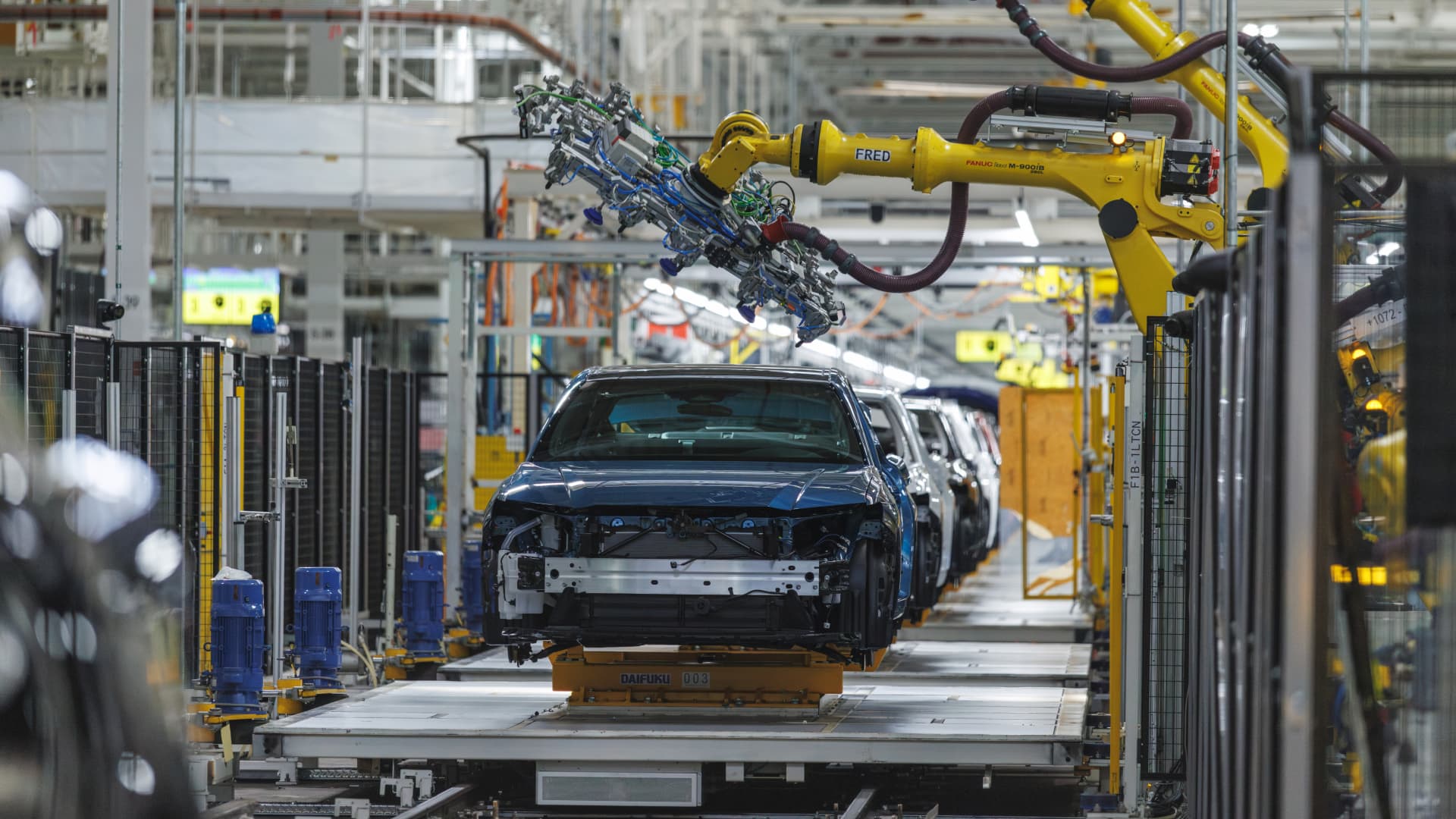
Beyond the Assembly Line: Toyota's $10 Billion U.S. Vision Takes Shape
Toyota Motor, a global automotive giant, has once again underscored its profound commitment to the United States with a significant announcement: a fresh $1 billion investment earmarked for its critical manufacturing plants in Kentucky and Indiana. This latest capital injection isn't merely an isolated expenditure; it represents a tangible step forward in the company's ambitious plan to pump up to $10 billion into its domestic operations over the next five years. For "NovaPress" readers, this isn't just a corporate news byte; it's a potent signal for the future of American manufacturing, job creation, and the broader economic landscape.
A Strategic Infusion: Where the Billions Go
The $1 billion investment is strategically distributed, primarily targeting enhanced production capabilities. While the initial reports detail $800 million for specific upgrades, the overarching goal is clear: to modernize existing facilities, boost efficiency, and lay the groundwork for future vehicle production—likely with an eye towards electrification and evolving consumer demands. Kentucky and Indiana aren't arbitrary choices; they represent long-standing pillars of Toyota's U.S. manufacturing footprint, boasting skilled workforces and established supply chains.
This investment will enable the plants to adopt more advanced manufacturing technologies, improve logistics, and potentially retool for new vehicle platforms. The long-term vision isn't just about making more cars; it's about making them smarter, cleaner, and more competitively in the rapidly transforming automotive industry.
The Economic Ripple Effect: Jobs and Beyond
The immediate and most visible impact of such an investment is always job creation and retention. While specific new job figures aren't always announced concurrently with facility upgrades, these investments inherently safeguard existing positions by securing the plants' long-term viability and often lead to indirect job growth across the supply chain—from parts manufacturers to logistics providers. Communities in Kentucky and Indiana will feel the positive ripple effects through increased local spending, bolstered tax revenues, and a general surge in economic activity.
Beyond the direct economic boost, Toyota's continued commitment reinforces the appeal of the U.S. as a manufacturing hub. It sends a strong signal to other international companies that investing in American production can yield significant returns, fostering a climate of confidence and potentially attracting further foreign direct investment.
Toyota's Broader U.S. Strategy: A Decadal Commitment
The $1 billion is part of a much larger, multi-year strategic deployment of capital, amounting to $10 billion over the next half-decade. This expansive commitment reflects several key priorities for Toyota:
- Supply Chain Resilience: Strengthening domestic production reduces reliance on complex international supply chains, a lesson painfully learned during recent global disruptions.
- Proximity to Market: Manufacturing where you sell allows for quicker response to consumer trends and preferences, reducing shipping costs and lead times.
- "Made in USA" Appeal: As consumer preference increasingly shifts towards domestically produced goods, these investments enhance Toyota's brand appeal and market competitiveness in the U.S.
- Electrification Transition: While not exclusively EV-focused, modernizing plants is crucial for future adaptability, enabling production of hybrid, plug-in hybrid, and battery electric vehicles as demand grows.
This long-term outlook positions Toyota not just as a seller in the American market, but as a deeply embedded contributor to its industrial fabric and economic future.
Looking Ahead: What This Means for the Auto Industry
Toyota's investment surge isn't happening in a vacuum. The U.S. automotive industry is undergoing a transformative period, driven by the push towards electric vehicles, increased automation, and government incentives aimed at bolstering domestic production. This move by Toyota could very well spur other major automakers, both domestic and foreign, to accelerate their own U.S. investment plans to remain competitive.
For consumers, this could translate into more readily available vehicles, potentially lower costs due to increased efficiency, and a broader range of models manufactured right here in America. For policymakers, it validates efforts to incentivize domestic manufacturing and underscores the importance of a stable business environment for attracting and retaining such large-scale capital.
In conclusion, Toyota's $1 billion investment, as a piece of its larger $10 billion vision, is far more than a corporate financial decision. It's a strategic declaration of confidence in the American workforce, its manufacturing capabilities, and its economic future. As the Editor-in-Chief of NovaPress, I see this as a pivotal development, promising growth, innovation, and a strengthened industrial base for the nation for years to come.