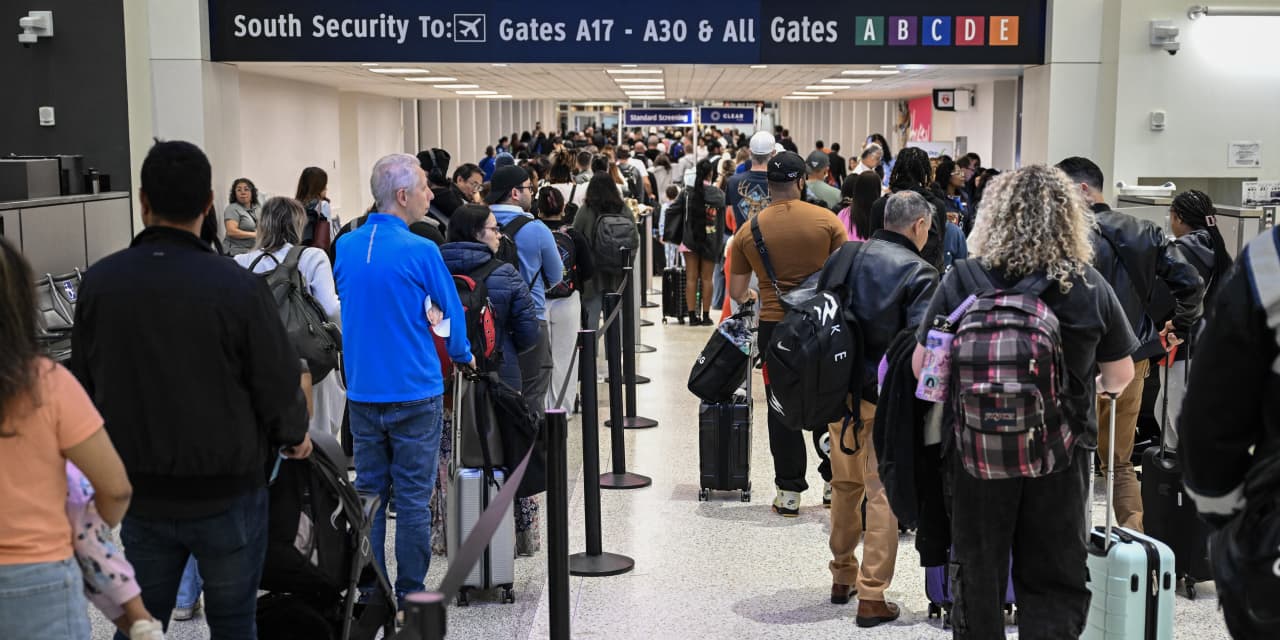
New York's bustling LaGuardia Airport, a critical nexus for millions of travelers, descended into an unprecedented state of operational paralysis early Monday morning following a catastrophic runway collision. The incident, involving an Air Canada aircraft and a Port Authority ground vehicle, resulted in a tragic fatality and immediately triggered a complete closure of the airport, sending ripple effects of disruption across the entire East Coast air travel network.
The Morning's Horrific Event Unpacked
Details are still emerging, but what is confirmed paints a grim picture: a fatal collision occurred on an active runway between a departing or arriving Air Canada plane and a Port Authority vehicle. This rare and devastating type of incident immediately prompted emergency services to swarm the scene. The fatality associated with the crash underscores the inherent dangers of complex airport ground operations and places an immediate spotlight on safety protocols.
The closure of LaGuardia, one of the nation’s busiest airports, was not an isolated event of the day. Compounding the regional travel crisis, a ground stop was simultaneously issued at a major New Jersey airport following an evacuation of its control tower due to an unrelated incident. This confluence of events created a perfect storm of travel woes, forcing countless flights to be diverted, delayed, or canceled, leaving thousands of passengers stranded and bewildered.
A System Under Strain: Domino Effects and Wider Implications
The immediate aftermath of the LaGuardia closure saw a cascade of operational challenges. Air traffic controllers, airlines, and ground staff scrambled to manage the unprecedented disruption. Flights bound for LGA were rerouted to other regional airports, including JFK and Newark, which themselves were already operating at or near capacity. This redistribution of traffic placed immense strain on the entire New York metropolitan area's aviation infrastructure, highlighting the delicate balance required to maintain fluid air travel.
Beyond the immediate logistical nightmare, the incident at LaGuardia raises profound questions about air safety, particularly concerning ground operations. How could a collision of this magnitude occur on a controlled runway? Investigations will undoubtedly focus on communication protocols between air traffic control, ground vehicles, and aircraft, visibility conditions, adherence to standard operating procedures, and potential human or technological factors. Every element of airport ground movement will come under intense scrutiny.
The Path Forward: Restoring Confidence and Enhancing Safety
As authorities work to clear the runway, investigate the crash site, and eventually reopen LaGuardia, the aviation industry will be bracing for the findings. Each major incident serves as a critical, albeit tragic, learning opportunity. Recommendations from this investigation could lead to significant revisions in ground control procedures, enhancements in runway safety technology, or stricter training for ground personnel and pilots operating in high-density environments.
For "NovaPress" readers, this event serves as a stark reminder of the complexities and vulnerabilities inherent in modern air travel. While flying remains one of the safest modes of transportation, incidents like these underscore the continuous need for vigilance, robust safety mechanisms, and constant innovation. The long-term implications will extend beyond infrastructure changes, potentially influencing public perception of travel safety and prompting a renewed focus on preventing even the most improbable scenarios from becoming devastating realities.
As LaGuardia slowly moves towards recovery, the echoes of Monday’s events will resonate through the aviation world, demanding answers and reinforcing the paramount importance of safety above all else.